Ancient Near East: Mesopotamian Civilizations, History, Religion, and Culture
The Ancient Near East was the birthplace of human urban civilization, giving rise to the world’s earliest cities, legal codes, monumental architecture, and cuneiform writing systems. From the fertile floodplains between the Tigris and Euphrates rivers (Mesopotamia) to the Iranian plateau and the Anatolian highlands, ancient Near Eastern cultures transformed human history through monumental achievements in religion, astronomy, state administration, and imperial warfare.
🏛️ Explore the Major Civilizations of the Ancient Near East
Explore the core civilizations and territorial empires that defined pre-classical antiquity:
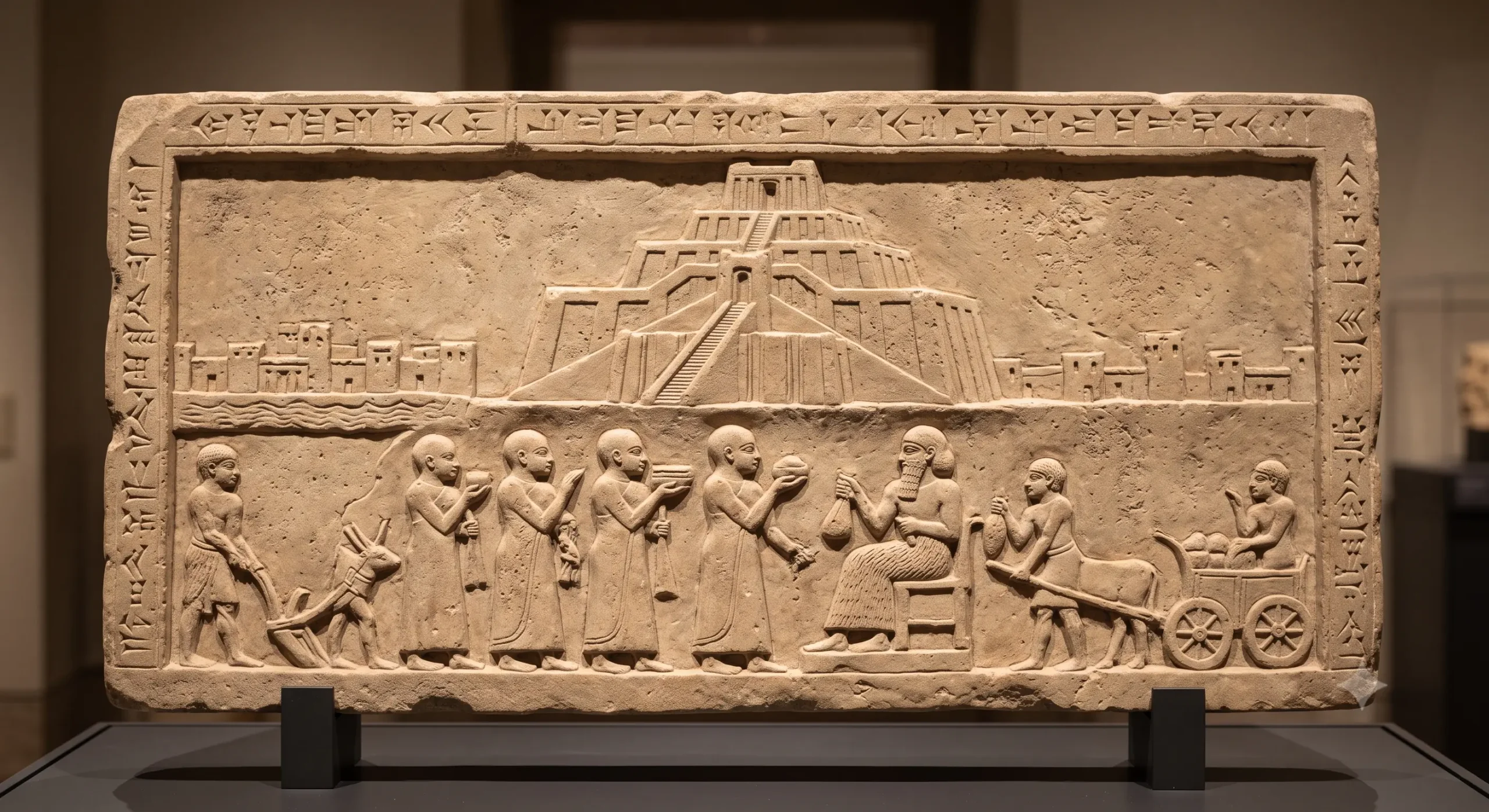
Sumerians
The Sumerians founded humanity’s earliest true city-states (such as Uruk and Ur) in southern Mesopotamia during the 4th millennium BCE. They invented cuneiform script, constructed monumental stepped ziggurats, and laid the mathematical and legal foundations of the Near East.
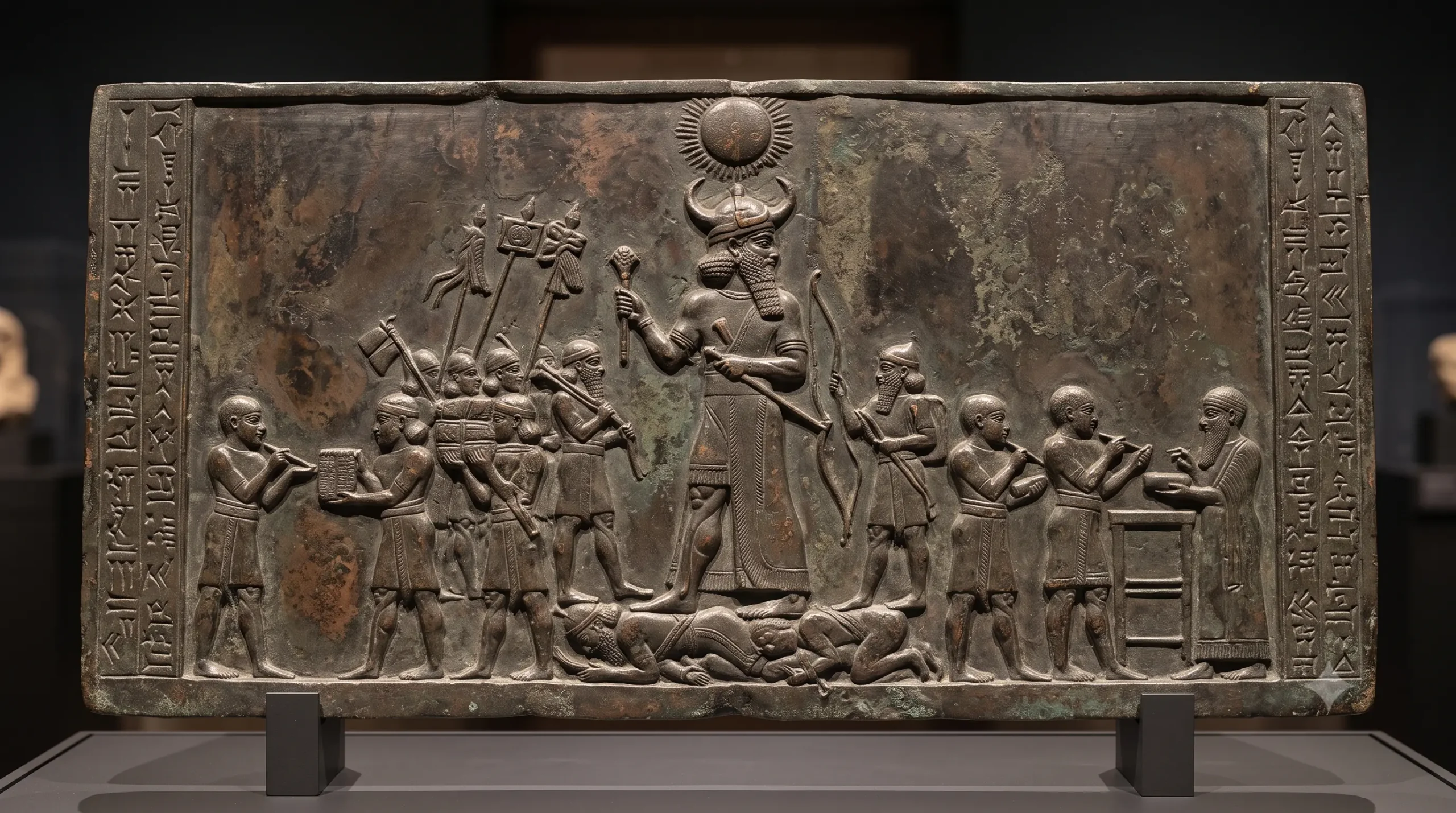
Akkadians
Unifying northern and southern Mesopotamia under Sargon of Akkad (c. 2334 BCE), the Akkadians established the world’s first multinational territorial state. Their period marked a revolutionary expansion of centralized bureaucracy and divine royal ideology.
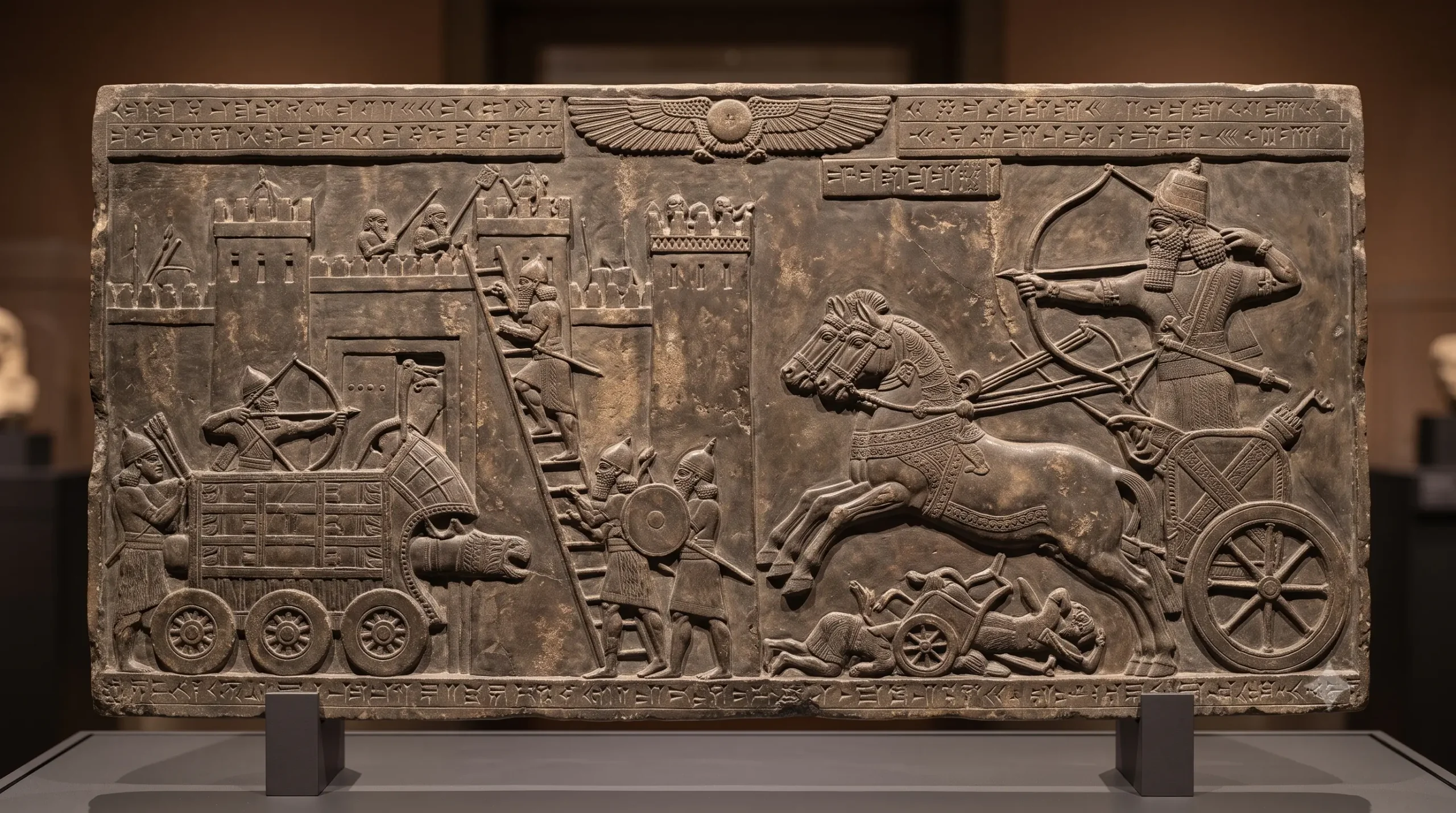
Assyrians
Dominating the 1st millennium BCE with unrivaled military engineering, iron weaponry, and complex provincial networks, the Neo-Assyrian Empire governed the Near East from grand palatial capitals like Nineveh, Khorsabad, and Nimrud.
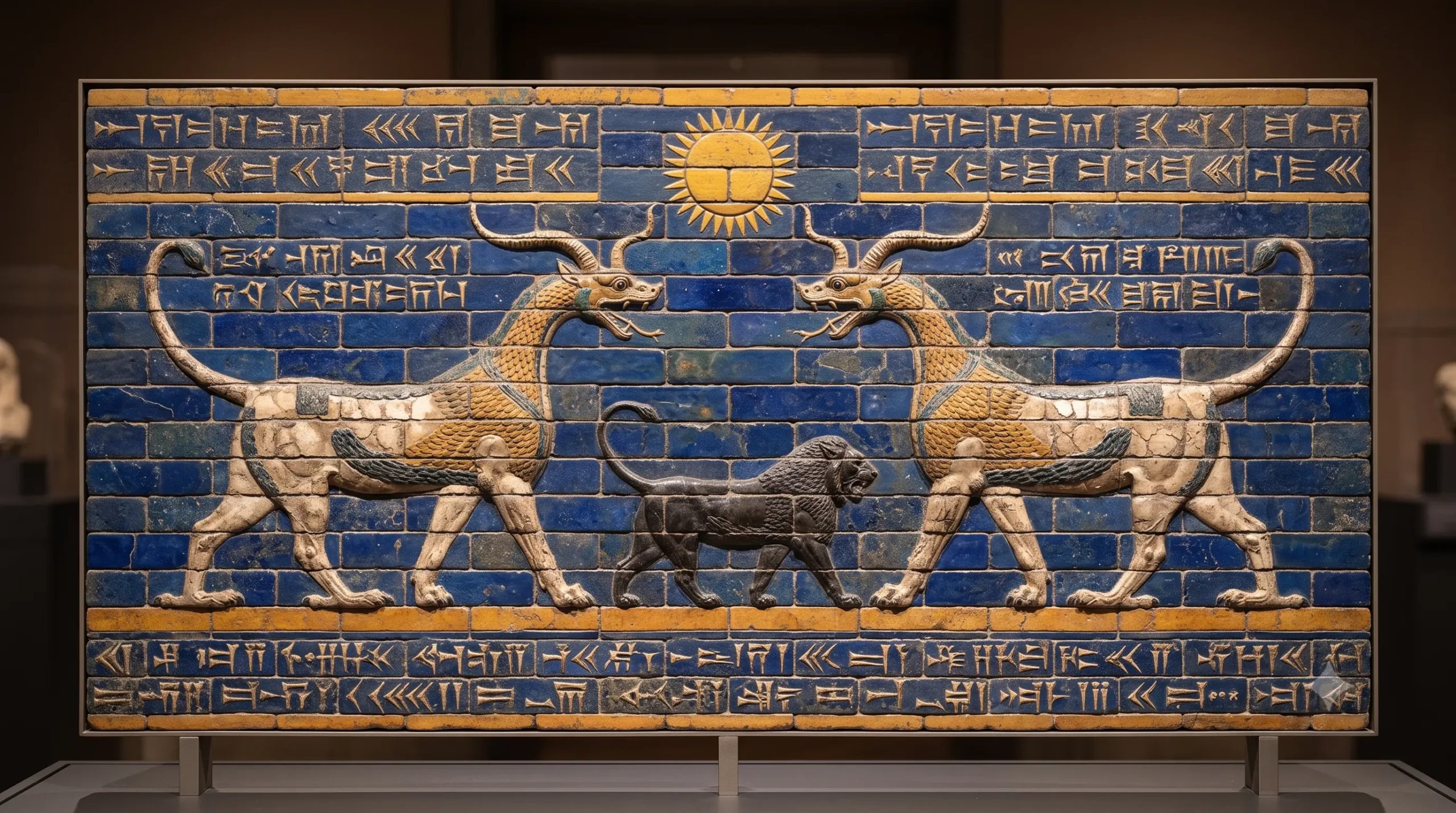
Babylonians
Rising from central Mesopotamia, the Babylonians are celebrated for the Code of Hammurabi, mathematical astronomy, and the monumental architectural revival of the Neo-Babylonian period under Nebuchadnezzar II.
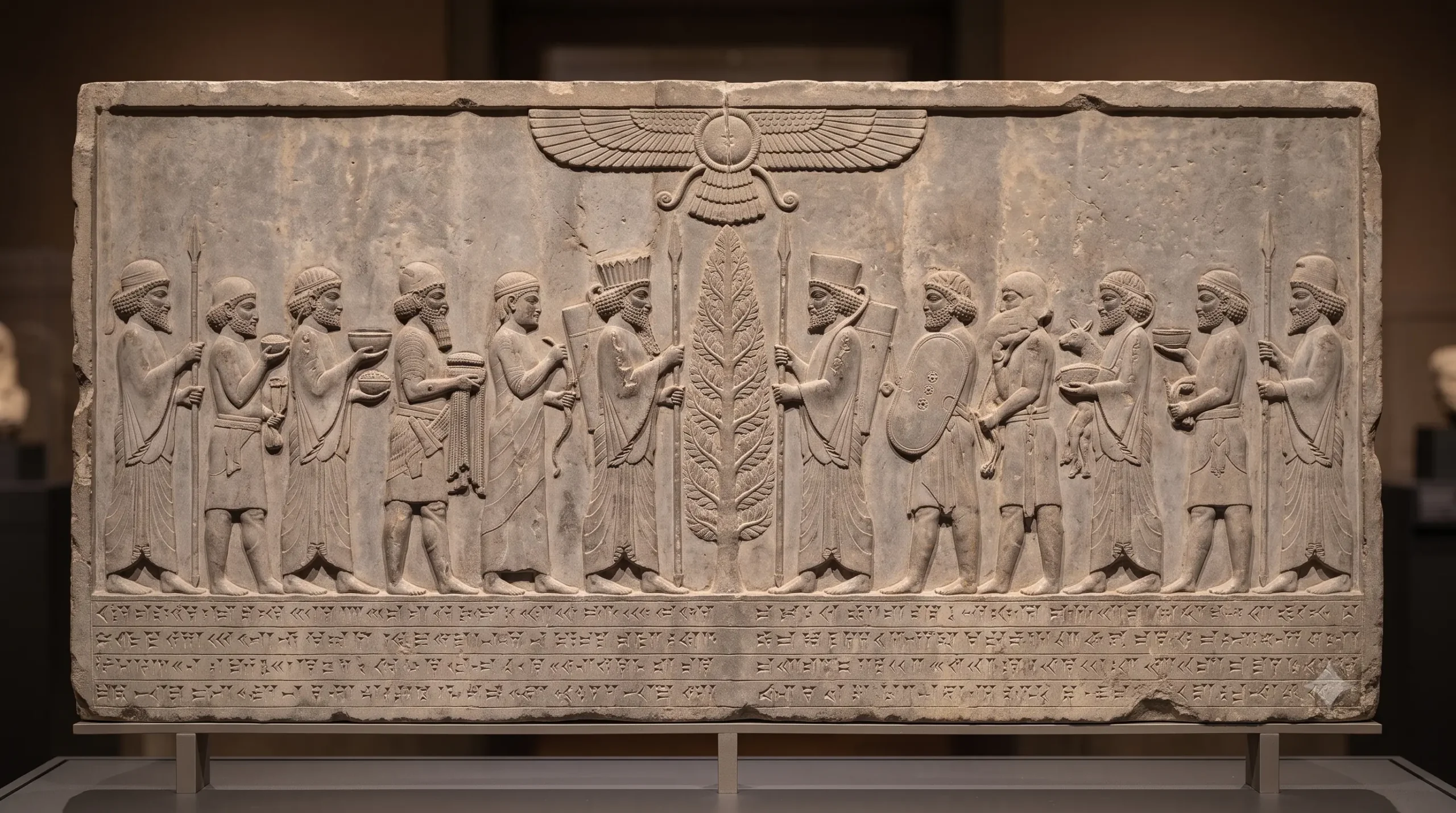
Persians
Originating from the Iranian plateau, Cyrus the Great and Darius I forged the largest empire the ancient world had ever seen, celebrated for administrative satrapies, imperial tolerance, the Royal Road, and Zoroastrian philosophy.
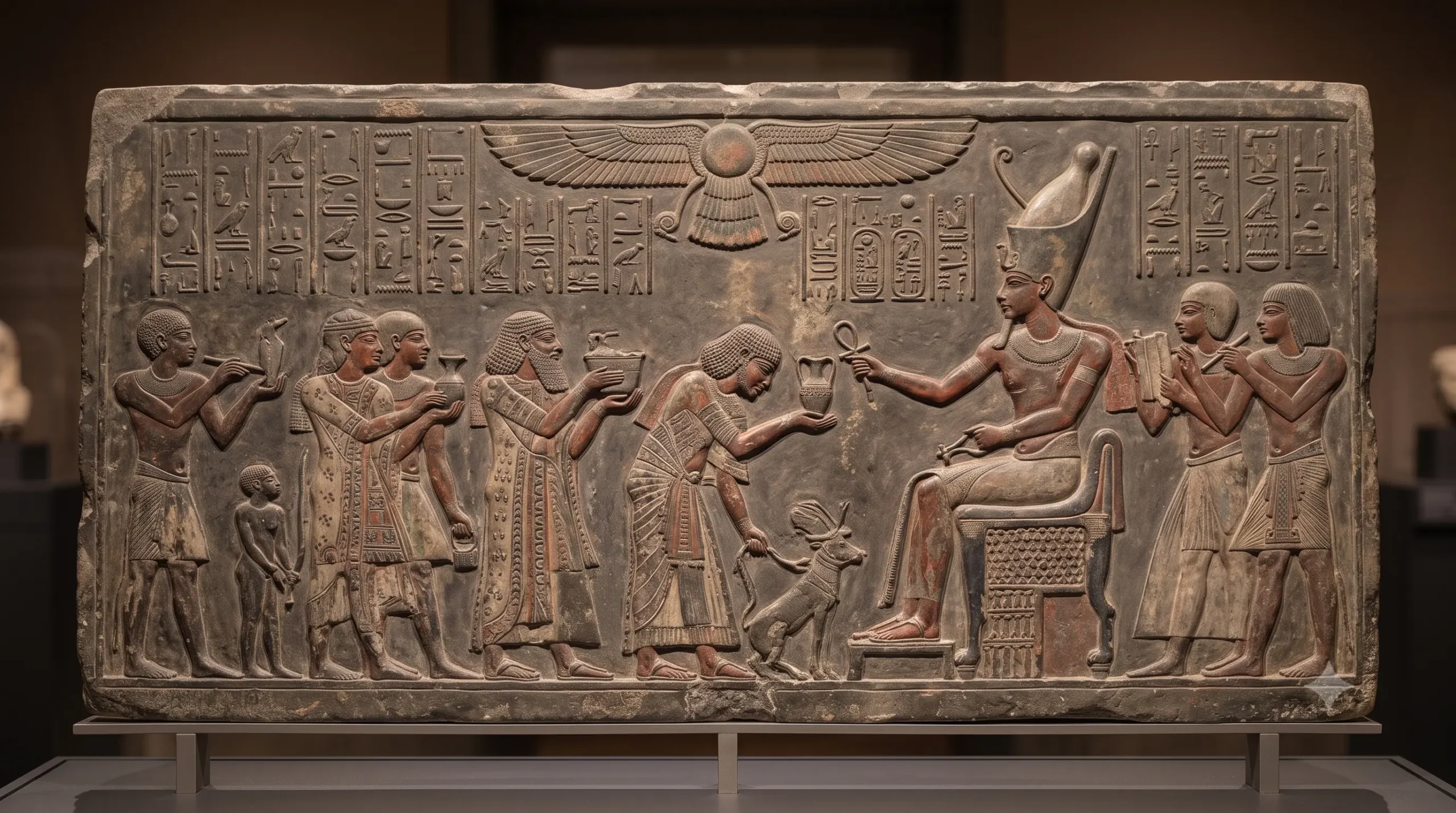
Ancient Egypt
As a cornerstone of ancient world trade and Bronze Age diplomacy—immortalized in the diplomatic Amarna Letters—Pharaonic Egypt maintained extensive geopolitical, military, and commercial ties across the Levant, Mesopotamia, and the wider Near East.
📚 Core Thematic Hubs & Knowledge Clusters
Navigate our comprehensive historical archives by thematic study:
✍️ Cuneiform Writing, Science, and Literature
The invention of writing in ancient Mesopotamia preserved humanity’s oldest literary and scientific texts:
- The Gilgamesh Epic & Flood Myths: Read about Mesopotamian heroic epics, Atrahasis, and the cosmological epic Enuma Elish.
- Cuneiform Development: From archaic pictographic clay tokens to standardized Old Babylonian and Neo-Assyrian bureaucratic script.
- Mesopotamian Astronomy & Medicine: Early celestial omen tracking and empirical pharmacology.
🌌 Mesopotamian Religion, Demonology, and Afterlife
Ancient Near Eastern religion was an intricate polytheistic system where city deities governed the balance between cosmic order (Me) and chaos:
- Pantheon of Gods: Anu, Enlil, Enki (Ea), Ishtar (Inanna), Marduk, and Ashur.
- Temples and Priesthoods: The administrative and economic engine of the Ziggurat and daily sacrificial cults.
- Underworld Conceptions: The dark realm of Kur / Irkalla and the role of protective amulets against Lamash-tu and Pazuzu.
🏙️ Ancient Urbanism, Daily Life, and Social Hierarchy
Mesopotamian life was deeply communal and rigidly organized around municipal irrigation canals, family households, and state institutions:
- Social Classes: The legal status of free citizens (awīlu), institutional dependents (muškēnu), and chattel slaves (wardu).
- Great Metropolises: Archaeological guides to Uruk, Babylon, Nineveh, Ur, Ebla, and Persepolis.
- Economy and Commerce: Long-distance trade routes connecting the Persian Gulf, Dilmun, the Indus Valley, and the Mediterranean Levant.
❓ Frequently Asked Questions About the Ancient Near East
What regions were included in the Ancient Near East?
he Ancient Near East spanned Mesopotamia (modern-day Iraq and eastern Syria), the Nile Valley of Egypt, the Iranian plateau (Elam and Persia), the Levant (Syria, Lebanon, Jordan, Israel/Palestine), and Anatolia, intimately linked through overland and maritime trade corridors across the Fertile Crescent.
What is the chronological timeline of Mesopotamian history?
Major Mesopotamian historical periods include:
- Ubaid & Uruk Periods (c. 5000–3100 BCE): First urban communities and early writing.
- Early Dynastic Sumer (c. 2900–2334 BCE): Independent city-states.
- Akkadian Empire (c. 2334–2154 BCE): First territorial unification.
- Old Babylonian & Old Assyrian Periods (c. 2000–1600 BCE): Hammurabi’s legal unification.
- Neo-Assyrian Empire (c. 911–609 BCE): Iron Age imperial expansion.
- Neo-Babylonian & Persian Eras (c. 626–330 BCE): Imperial resurgence followed by Achaemenid Persian integration.
What was the single most important innovation of this region?
While agriculture and monumental architecture were crucial, the invention of cuneiform writing (c. 3400–3200 BCE in Sumer) fundamentally transformed human civilization by enabling bureaucratic administration, codified law, historical preservation, and systematic science.