What was the Akkadian civilization?
The Akkadians were an ancient Semitic-speaking people who lived in Mesopotamia during the third millennium BCE. They emerged in the region long before the rise of their famous empire, sharing the land with the Sumerians and gradually becoming one of the most influential civilizations of the ancient Near East.
Rather than replacing the Sumerians, the Akkadians lived alongside them for centuries. The two peoples interacted through trade, diplomacy, religion, and cultural exchange, creating a society in which Sumerian and Akkadian traditions influenced one another. This close relationship explains why many aspects of Akkadian civilization, including writing, religious practices, and administrative customs, were deeply rooted in earlier Sumerian culture.
The Akkadians spoke Akkadian, an East Semitic language that eventually became the dominant language of diplomacy and administration across much of the ancient Near East. Although they adopted cuneiform writing, originally developed by the Sumerians, they adapted it to their own language, producing royal inscriptions, legal texts, diplomatic correspondence, myths, and literary works. Akkadian remained an important written language for more than a thousand years, long after the fall of the Akkadian Empire.
Geographically, the Akkadians occupied central Mesopotamia, particularly the fertile lands between the Tigris and Euphrates rivers. Their heartland included the region around the city of Akkad, whose exact location remains unknown, as well as other important urban centres that connected northern and southern Mesopotamia. This strategic position allowed them to participate in long-distance trade while interacting with neighbouring cultures across the ancient Near East.
Historians often refer to the period between c. 2334 BCE and c. 2154 BCE as the Age of Akkad or Akkadian Period. Beginning with the rise of Sargon of Akkad, this era marked a profound transformation in Mesopotamian history. It witnessed the spread of the Akkadian language, the integration of diverse populations under a common political authority, and the emergence of cultural traditions that would shape later Babylonian and Assyrian civilizations. Although the political empire eventually disappeared, the influence of the Akkadians continued for centuries through their language, literature, and administrative practices.
| Feature | Akkadians |
|---|---|
| Origins | Ancient Semitic people of Mesopotamia |
| Main Region | Central Mesopotamia |
| Language | Akkadian (East Semitic) |
| Writing System | Cuneiform |
| Historical Period | c. 2334–2154 BCE (Age of Akkad) |
| Greatest Achievement | Establishing the Akkadian Empire under Sargon of Akkad |
Key Aspects of the Akkadians
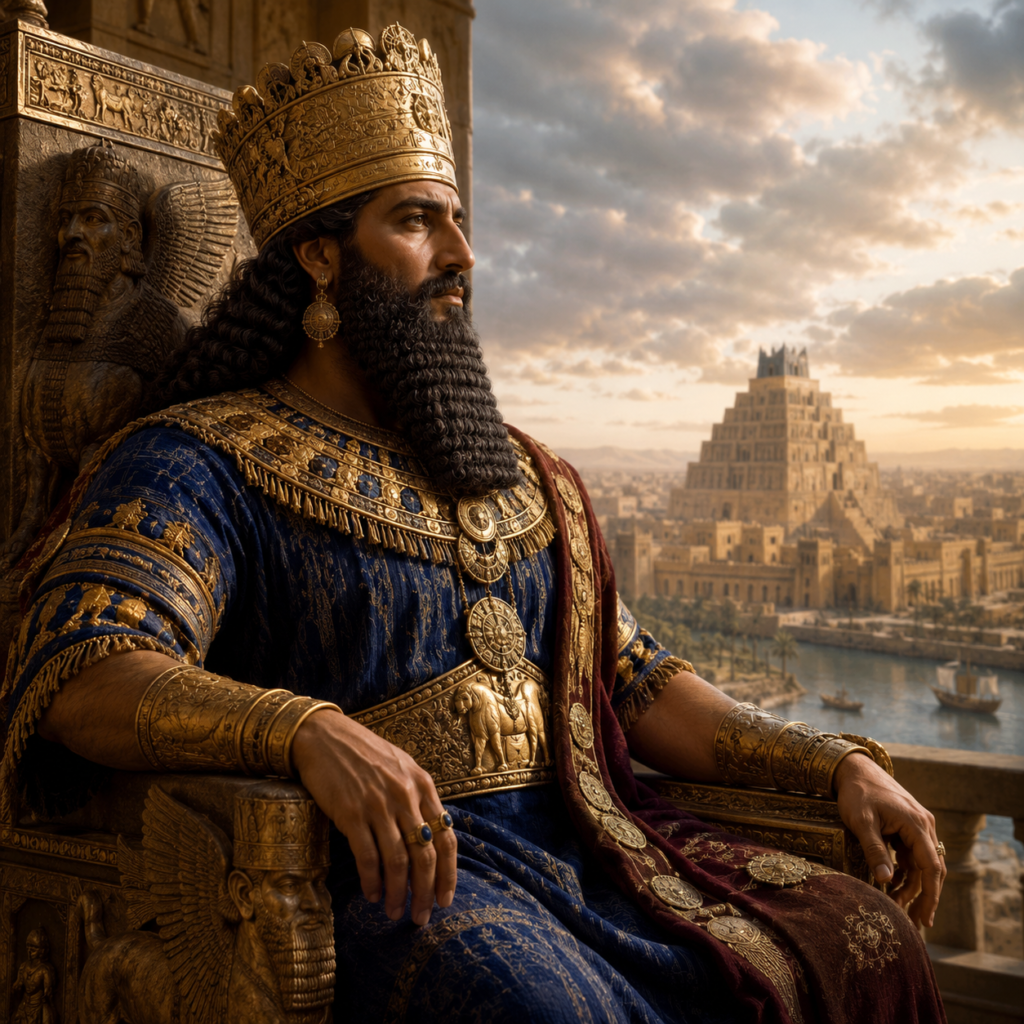
Akkadian Kings
Discover rulers like Sargon of Akkad and Naram-Sin, and how they built the first empire in history.
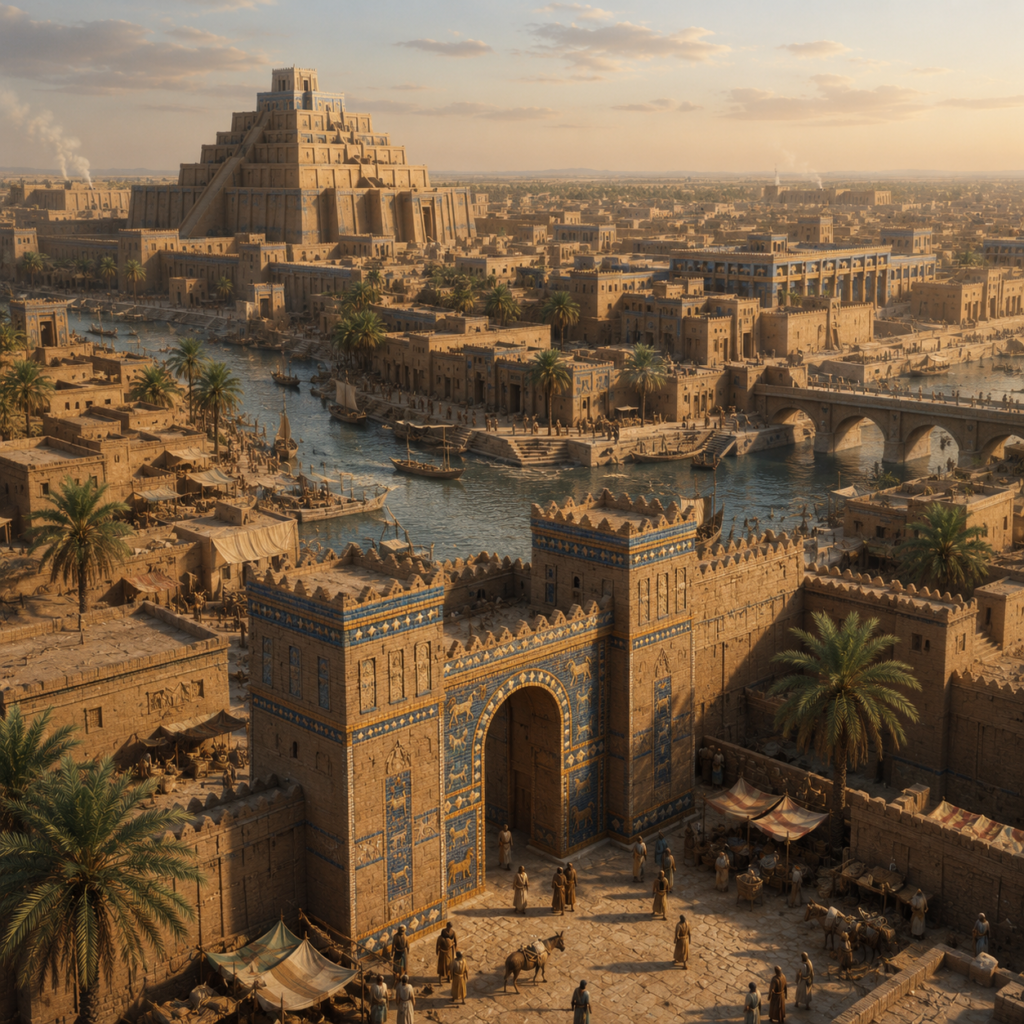
Akkadian Cities
Explore the main urban centers of the Akkadian Empire and their role in administration and control.
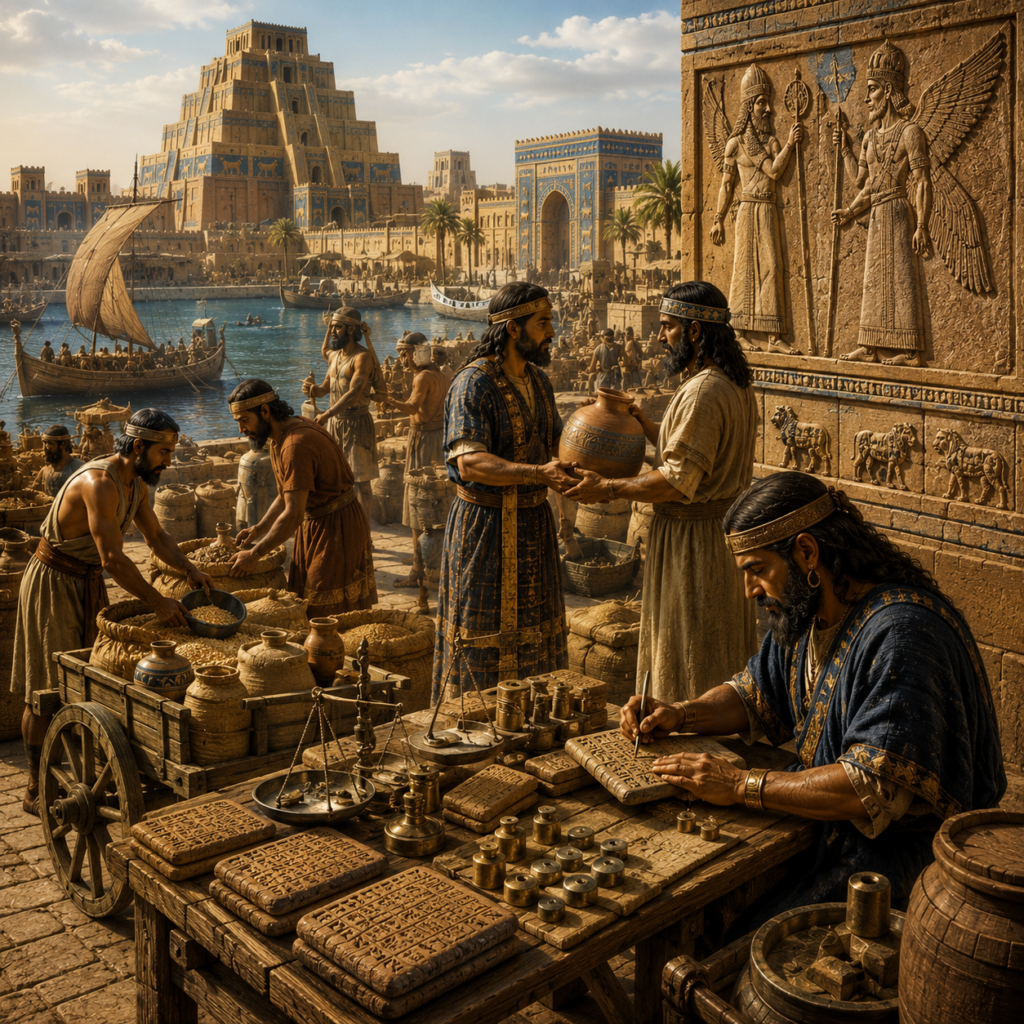
Akkadian Economy
Learn how agriculture, trade, and tribute sustained imperial power.
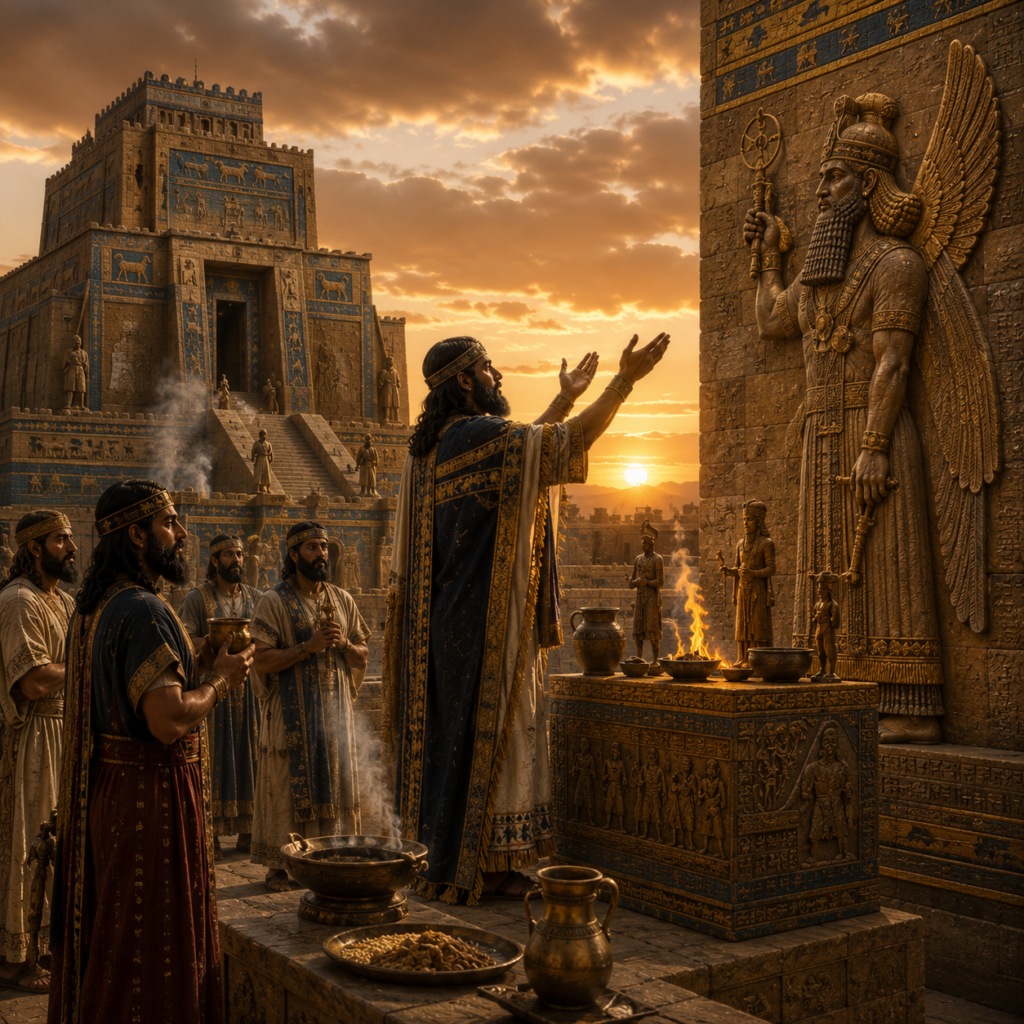
Akkadian Religion
Understand the beliefs, gods, and rituals that shaped Akkadian society.
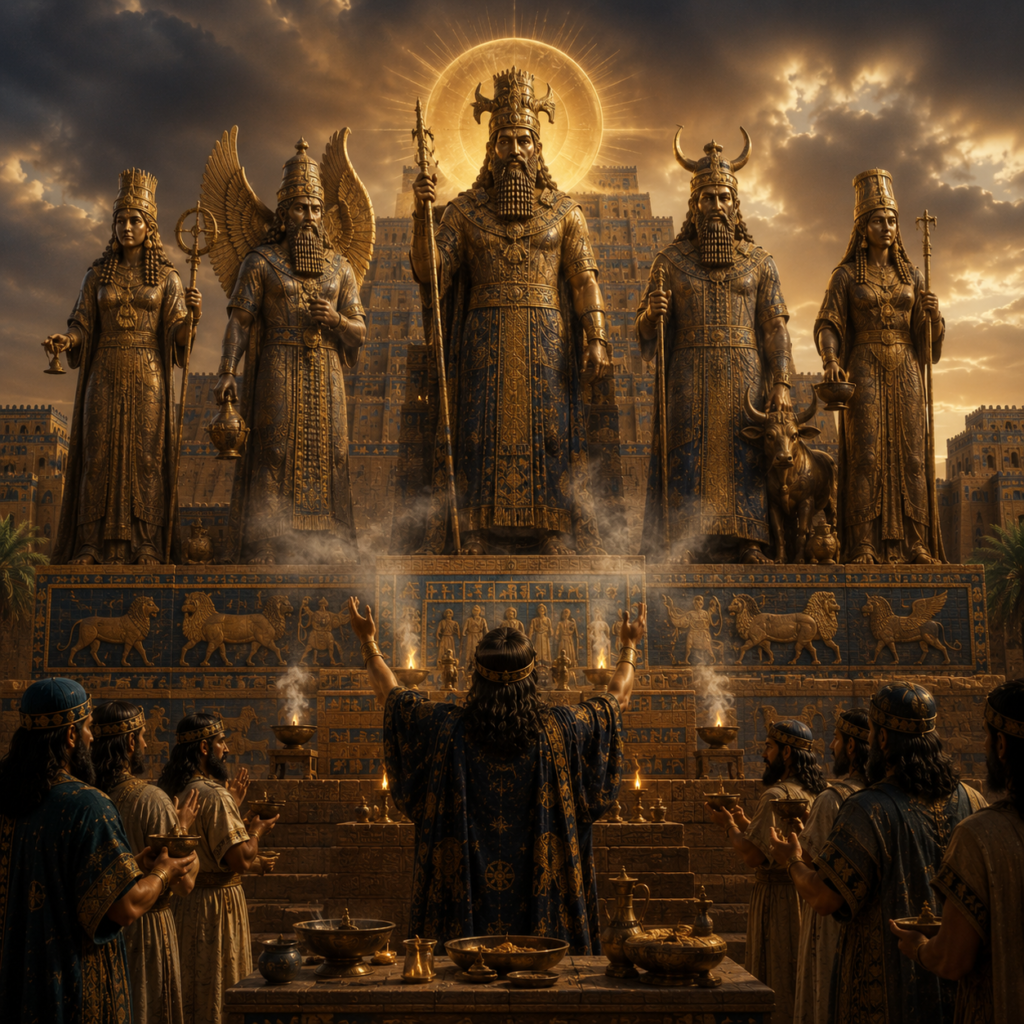
Akkadian Gods
Discover the gods who shaped the destiny of kings, cities, and empires.
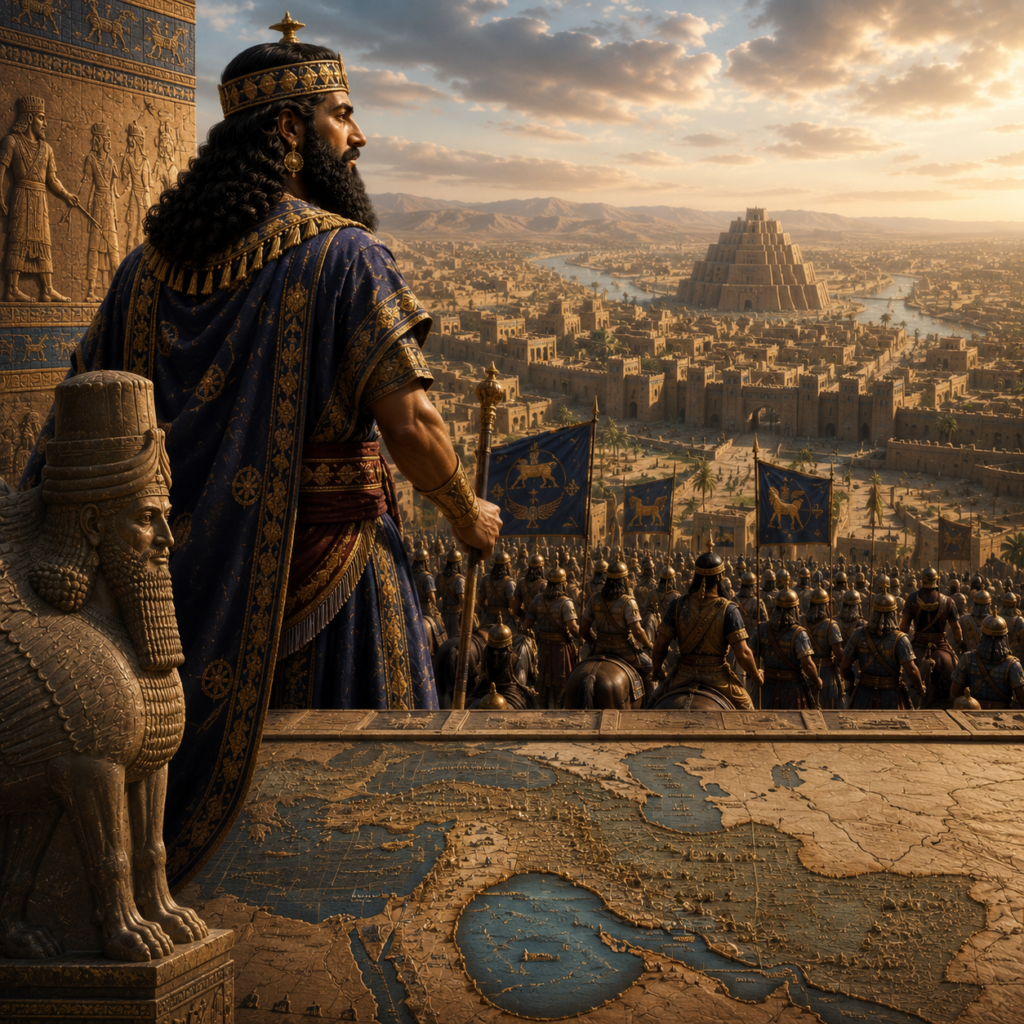
Akkadian Empire
Dive deeper into the structure, expansion, and governance of the first empire.
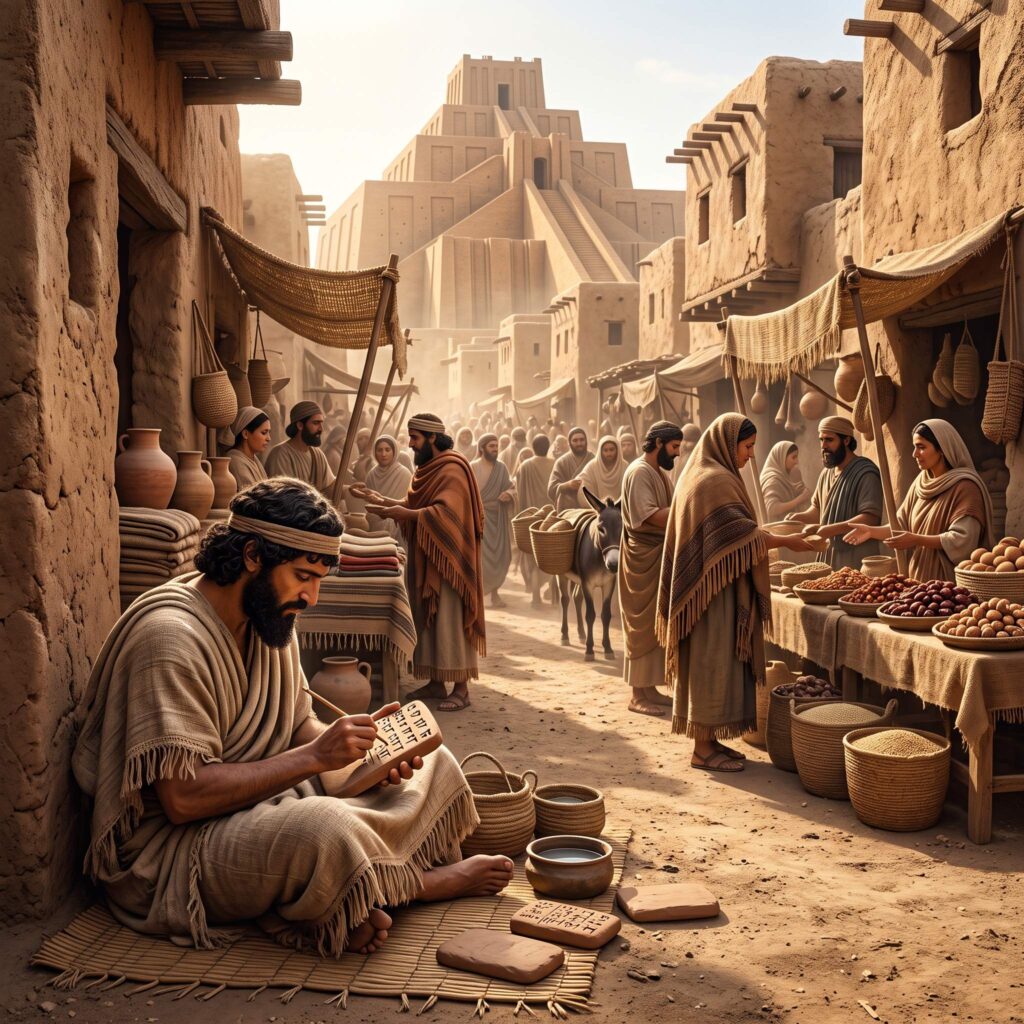
Akkadian society
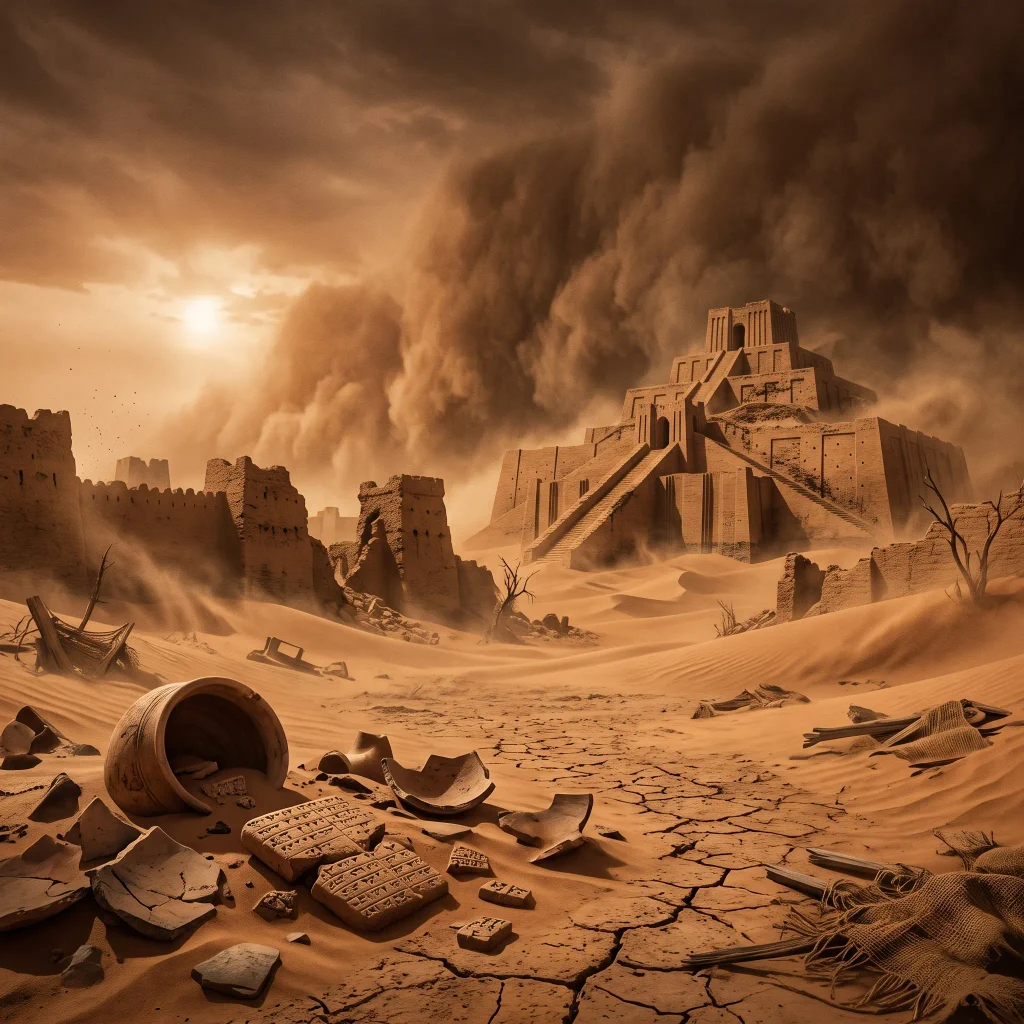
Fall of the Akkadian Empire
The Age of Akkad
The Age of Akkad, also known as the Akkadian Period, was one of the most transformative eras in the history of ancient Mesopotamia. Spanning approximately 2334 BCE to 2154 BCE, it marked the rise of the Akkadians from a regional Semitic-speaking people to the dominant civilization of the ancient Near East.
This period began with the accession of Sargon of Akkad, whose leadership brought together many of the independent city-states of Mesopotamia under a single political authority. Although historians often associate the Age of Akkad with the creation of the world’s first empire, it was also a time of remarkable cultural, linguistic, and administrative development that influenced the region for centuries.
Throughout the Akkadian Period, the Akkadian language spread widely across Mesopotamia, gradually becoming the preferred language of administration and diplomacy. At the same time, the Akkadians preserved many elements of Sumerian culture, including cuneiform writing, religious traditions, and artistic styles. Rather than replacing earlier traditions, they combined them with their own, creating a civilization that blended innovation with continuity.
The Age of Akkad also witnessed significant advances in long-distance trade, state administration, and royal ideology. Urban centres expanded their political importance, communication between distant regions became more organised, and the concept of centralized kingship reached an unprecedented scale. Many of these developments would later be adopted and refined by the Babylonian and Assyrian civilizations.
Despite its achievements, the Akkadian Period came to an end during the late twenty-second century BCE. A combination of internal instability, environmental pressures, and external invasions gradually weakened Akkadian authority, leading to the collapse of the empire around 2154 BCE. However, the end of Akkadian political power did not mark the end of Akkadian influence. Their language, administrative traditions, and cultural legacy continued to shape Mesopotamian civilization long after the empire itself had disappeared.
| Period | Approximate Date | Key Development |
|---|---|---|
| Rise of Sargon | c. 2334 BCE | Sargon of Akkad establishes Akkadian rule |
| Early Expansion | c. 2330–2254 BCE | Political unification of much of Mesopotamia |
| Reign of Naram-Sin | c. 2254–2218 BCE | Height of Akkadian power and royal prestige |
| Final Decline | c. 2218–2154 BCE | Political fragmentation and collapse of the empire |
The Age of Akkad represents far more than the history of a single empire. It was a defining chapter in the development of Mesopotamian civilization, introducing ideas about political organisation, cultural integration, and written administration that would influence the ancient Near East for many centuries.
Why is it called the Age of Akkad?
Historians use the term Age of Akkad to describe the period during which the Akkadians became the dominant political and cultural force in Mesopotamia, from the rise of Sargon of Akkad to the collapse of the Akkadian Empire. The expression refers to a historical era rather than to the city of Akkad itself.
The Age of Akkad provides the historical context for the rise of Akkadian civilization. To explore how this period gave birth to the world’s first territorial empire, including its administration, military expansion, and political organisation, read our complete guide to the Akkadian Empire.
Culture and Identity in Akkadian Civilization
The Akkadian civilization developed a distinctive cultural identity by combining its own Semitic traditions with the long-established heritage of Sumer. Rather than replacing the cultures that already existed in Mesopotamia, the Akkadians absorbed many of their customs while introducing new political and linguistic elements that transformed the region.
One of the defining features of Akkadian identity was its language. Although Sumerian continued to be used for religious and scholarly purposes, Akkadian gradually became the dominant spoken language across much of Mesopotamia. Written in cuneiform, it evolved into the principal language of diplomacy, administration, and literature throughout the ancient Near East for many centuries.
Cultural exchange also shaped Akkadian architecture, art, and religious practices. Temples continued to occupy the centre of urban life, while royal inscriptions celebrated the achievements of kings and reinforced the idea of legitimate rule. Cylinder seals, monumental sculptures, and finely crafted objects reflected both Sumerian artistic traditions and new Akkadian innovations, creating a style that would influence later civilizations such as Babylon and Assyria.
Daily life was equally marked by continuity and adaptation. Families lived in organised urban communities, agriculture remained the foundation of the economy, and merchants connected Mesopotamia with neighbouring regions through extensive trade networks. These shared experiences helped create a common cultural identity despite the diversity of peoples living within Akkadian territory.
Perhaps the greatest achievement of Akkadian civilization was its ability to integrate different populations under a shared cultural framework. Instead of erasing local traditions, the Akkadians combined languages, beliefs, artistic styles, and administrative practices into a civilization whose influence survived long after its political power had disappeared.
To explore how trade, agriculture, and long-distance commerce supported everyday life in Mesopotamia, continue with our complete guide to the Akkadian Economy.
| Cultural Element | Contribution of the Akkadians |
|---|---|
| Language | Spread of Akkadian as the main Semitic language of Mesopotamia |
| Writing | Adaptation of cuneiform to the Akkadian language |
| Art | Development of a distinctive royal artistic style |
| Religion | Integration of Sumerian traditions with Akkadian beliefs |
| Cultural Legacy | Strong influence on Babylonian and Assyrian civilizations |
Life in Akkadian Mesopotamia
For most Akkadians, daily life revolved around agriculture, family, and the rhythms of the great rivers that shaped Mesopotamia. While kings and officials directed political affairs, the vast majority of the population were farmers, artisans, merchants, and labourers whose work sustained cities, temples, and long-distance trade.
Agriculture formed the foundation of everyday life. Wheat, barley, dates, and vegetables were cultivated using sophisticated irrigation systems inherited from earlier Mesopotamian societies. Livestock such as sheep, goats, and cattle provided meat, wool, leather, and dairy products, while surplus harvests supported growing urban populations and commercial exchange.
Life in Akkadian cities was highly organised. Families usually lived in mudbrick houses clustered along narrow streets, with markets, workshops, and temples serving as the centre of community life. Craftsmen produced pottery, textiles, metal tools, and luxury goods, while merchants transported valuable products across Mesopotamia and neighbouring regions.
Society was structured around different occupations and responsibilities. Priests oversaw religious ceremonies, scribes recorded administrative and commercial documents, soldiers protected the kingdom, and skilled artisans supplied both local communities and royal projects. Although social status varied, every group contributed to the functioning of Akkadian civilization.
Education was largely reserved for scribes and administrators, who learned to read and write cuneiform in specialised schools. Literacy remained limited, but written records became increasingly important for trade, government, and religious activities, helping preserve the cultural traditions of the Akkadians.
Despite political changes during the Akkadian Period, many aspects of daily life remained remarkably stable. Farming communities continued to cultivate the land, families maintained local traditions, and cities remained centres of economic and religious activity. This continuity helped preserve Akkadian culture even after the collapse of the empire.
Discover how Akkadian society was organised in our complete guide to Akkadian Society.
| Aspect | Everyday Life in Akkadian Civilization |
|---|---|
| Main Occupation | Agriculture |
| Urban Centres | Cities with markets, temples, and workshops |
| Common Housing | Mudbrick houses |
| Main Crops | Barley, wheat, dates, vegetables |
| Education | Scribal schools for administrators and priests |
| Economy | Farming, trade, craftsmanship, and taxation |
Language and Writing
Language was one of the defining characteristics of Akkadian civilization and one of its greatest contributions to the history of the ancient Near East. While the Sumerians spoke a language unrelated to any known linguistic family, the Akkadians spoke Akkadian, an East Semitic language that would eventually become the dominant language of diplomacy, administration, and international communication throughout Mesopotamia.
Although the Akkadians adopted cuneiform writing from the Sumerians, they transformed it into a flexible writing system capable of recording their own language. Thousands of clay tablets have survived from the Akkadian Period, preserving royal inscriptions, legal documents, commercial contracts, diplomatic letters, myths, hymns, and literary works. These texts provide historians with an extraordinary window into everyday life more than four thousand years ago.
For ordinary people, writing was a specialised skill rather than a common ability. Most Akkadians could not read or write, and literacy was largely limited to scribes, priests, and government officials. Young apprentice scribes spent years studying in temple or palace schools, learning hundreds of cuneiform signs before they could copy official documents. Their work was essential for recording taxes, managing trade, administering cities, and preserving religious traditions.
Imagine walking through an Akkadian administrative centre. In one room, merchants negotiate the price of grain while a scribe carefully presses wedge-shaped signs into a damp clay tablet. Nearby, another official records livestock deliveries, and in the palace archives shelves of baked tablets preserve royal decrees, diplomatic correspondence, and legal agreements. Writing was not simply a way of communicating—it was the technology that allowed an increasingly complex civilization to function.
Perhaps the greatest legacy of the Akkadian language was its longevity. Even after the Akkadian Empire disappeared, Akkadian continued to serve as the principal written language of diplomacy across the Near East for many centuries. The famous Amarna Letters, exchanged between Egyptian pharaohs and foreign rulers during the Late Bronze Age, were written in Akkadian, demonstrating its status as the international language of the ancient world.
Explore the origins and evolution of cuneiform in our complete guide to Cuneiform Writing.
| Feature | Akkadian Language |
|---|---|
| Language Family | East Semitic |
| Writing System | Cuneiform |
| Primary Uses | Administration, diplomacy, literature, religion and trade |
| Main Users | Scribes, priests, officials and merchants |
| Historical Importance | Became the international diplomatic language of the ancient Near East |
Cities That Shaped Akkadian Civilization
Cities were the heart of Akkadian civilization. More than places to live, they were centres of government, religion, commerce, and culture where thousands of people worked together to sustain one of the most influential civilizations of the ancient world.
Unlike modern cities, an Akkadian city was dominated by its temple and administrative buildings. Mudbrick houses filled narrow streets that wound between workshops, markets, and public spaces, while massive defensive walls protected the population from external threats. Every aspect of urban life revolved around institutions that organised agriculture, collected taxes, stored food, and coordinated trade.
Each city played a different role within Akkadian civilization. Some served as political centres where governors represented royal authority, while others became important religious destinations or commercial hubs connected to distant regions. Rivers provided the main routes for transportation, allowing goods, ideas, and people to move efficiently across Mesopotamia.
Imagine arriving at an Akkadian city shortly after sunrise. Farmers guide donkeys loaded with barley through the city gates, merchants prepare their market stalls, and the smell of freshly baked bread drifts through the streets. Temple priests begin the morning rituals while scribes gather in administrative buildings to record deliveries of grain, livestock, and textiles on clay tablets. Everywhere, people are working together to keep the city alive.
Urban life also encouraged innovation. Skilled artisans produced pottery, jewellery, metal tools, textiles, and luxury goods that were traded throughout the Near East. Markets brought together merchants from different regions, exposing the Akkadians to foreign materials, languages, and ideas. This constant exchange helped transform Mesopotamian cities into some of the most dynamic places of the Bronze Age.
Although many Akkadian cities built upon older Sumerian foundations, they became part of a larger political and economic network that connected communities across hundreds of kilometres. This growing urban system allowed information, resources, and royal authority to circulate more efficiently than ever before, strengthening both the civilization and the empire that emerged from it.
Explore the major urban centres, their history, and their archaeological remains in our complete guide to Akkadian Cities.
Feature Description Main Building Temple and administrative complex Construction Mostly mudbrick architecture Economic Role Trade, craft production, taxation and food storage Population Farmers, merchants, artisans, priests, scribes and officials Strategic Importance Connected regions through rivers and trade routes Legacy Model for later Babylonian and Assyrian urban development
Step Into the Ancient World
A Day in an Akkadian City
As the sun rose over the mudbrick walls, farmers entered through the city gates carrying grain and vegetables from the surrounding fields. Merchants opened their stalls, scribes prepared fresh clay tablets, and temple priests welcomed the first worshippers of the day. By midday, the marketplace echoed with different languages spoken by traders arriving from distant regions, while smoke from bakeries and metal workshops drifted above the rooftops. As evening approached, the city gates closed, families gathered in the courtyards of their homes, and the sounds of daily life gradually gave way to the quiet of the Mesopotamian night.
Beliefs and Royal Ideology
Religion shaped every aspect of Akkadian civilization, influencing not only personal beliefs but also politics, law, art, and the authority of the king. To the Akkadians, the world was governed by powerful gods who maintained order and prosperity, while human rulers were expected to preserve that divine balance on Earth.
Like many aspects of their culture, Akkadian religious traditions were deeply influenced by the earlier Sumerians. Rather than replacing existing beliefs, the Akkadians adopted many of the same deities, temples, and rituals, gradually adapting them to their own language and political system. Gods such as Anu, Enlil, Enki, Inanna (Ishtar), and Shamash continued to play central roles in both public ceremonies and everyday life.
Religion also became a powerful political tool. Akkadian kings did not present themselves simply as military leaders; they ruled with the approval of the gods. Royal inscriptions frequently describe victories, building projects, and political decisions as expressions of divine will, reinforcing the idea that loyalty to the king was also a form of loyalty to the gods.
This relationship reached its highest expression during the reign of Naram-Sin, who became one of the first rulers in Mesopotamian history to be officially portrayed as divine. His famous Victory Stele depicts him wearing the horned crown traditionally reserved for the gods, illustrating how royal ideology evolved during the Akkadian Period. This concept of sacred kingship would later influence both Babylonian and Assyrian rulers.
Religion was not limited to temples or royal ceremonies. Every household participated in acts of worship, offering prayers and gifts to protective deities in the hope of securing health, successful harvests, and family prosperity. Festivals, sacrifices, and seasonal celebrations reinforced the connection between communities, their rulers, and the divine world, making religion a central element of everyday life.
Imagine entering an Akkadian temple at dawn. The first rays of sunlight illuminate incense rising from the altar as priests prepare offerings of bread, beer, dates, and fragrant oils. Worshippers wait quietly in the courtyard, hoping to receive the favour of the gods before beginning another day of work. For an Akkadian, divine protection was not an abstract idea—it was woven into every aspect of daily life.
Discover the gods, myths, temples, and religious practices of Mesopotamia in our complete guide to Akkadian Religion.
Meet the major deities of the Akkadian pantheon in our guide to Akkadian Gods.
| Aspect | Role in Akkadian Civilization |
|---|---|
| Main Purpose | Maintain harmony between the gods and humanity |
| Major Deities | Anu, Enlil, Enki, Ishtar, Shamash |
| Religious Centres | Temples in the major cities of Mesopotamia |
| Role of the King | Ruler chosen and protected by the gods |
| Unique Development | Naram-Sin proclaimed his own divinity |
| Lasting Influence | Inspired later Babylonian and Assyrian concepts of kingship |
The Lasting Legacy of Akkadian Civilization
Although the Akkadian Empire lasted for only about two centuries, the civilization it created left a legacy that endured for more than a millennium. Its influence can be traced in the languages, political institutions, literature, and cultural traditions of nearly every major civilization that followed in Mesopotamia.
Perhaps the Akkadians’ greatest contribution was demonstrating that diverse peoples and cities could be united under a single political authority. Earlier Mesopotamian societies had been organised around independent city-states, but the Akkadians introduced a model of centralized administration that later rulers adopted and expanded. Babylonian and Assyrian kings, in particular, inherited many of the principles first developed during the Akkadian Period, from provincial governors to royal bureaucracy.
The Akkadian language also became one of the most influential legacies of the civilization. Even after the empire disappeared, Akkadian continued to serve as the principal language of diplomacy, government, and scholarship across the ancient Near East. Centuries later, rulers from Egypt, Anatolia, and Mesopotamia still exchanged official correspondence in Akkadian, demonstrating the remarkable prestige the language had achieved.
The civilization also preserved and transformed the cultural heritage of Sumer. Rather than allowing earlier traditions to disappear, the Akkadians adapted Sumerian myths, religious beliefs, artistic styles, and writing systems, ensuring that they would continue to influence future generations. Many of the literary works and religious concepts known today survived precisely because they were copied and transmitted through Akkadian scribes.
Royal ideology represented another lasting innovation. Akkadian rulers presented kingship as a universal institution supported by divine authority, a concept that profoundly influenced later empires throughout the Near East. Monumental art, victory stelae, royal inscriptions, and official propaganda all became essential tools for expressing political power, setting patterns that would be followed for centuries.
Perhaps the most enduring legacy of Akkadian civilization was its role as a bridge between worlds. It connected the achievements of early Sumerian city-states with the great empires of Babylon, Assyria, and Persia, transmitting ideas that shaped the political and cultural development of the ancient Near East long after Akkad itself had disappeared.
Imagine visiting Babylon nearly a thousand years after the fall of Akkad. The kings are different, the cities have grown, and new empires dominate Mesopotamia, yet scribes are still writing in Akkadian, temples continue to preserve traditions inherited from earlier generations, and rulers still look back to Sargon and Naram-Sin as models of imperial leadership. Although the empire had vanished, its civilization continued to live on through the people who inherited its achievements.
| Legacy | Historical Impact |
|---|---|
| Political Organization | Inspired later Babylonian and Assyrian empires |
| Language | Became the diplomatic language of the ancient Near East |
| Writing | Expanded the use of cuneiform for administration and literature |
| Royal Ideology | Established new concepts of divine kingship |
| Cultural Exchange | Preserved and spread Sumerian traditions |
| Historical Significance | Connected early Mesopotamian city-states with later imperial civilizations |
Why Akkadian Civilization Matters
The Akkadian civilization represents one of the greatest turning points in human history. While earlier societies had developed cities, writing, agriculture, and complex religious traditions, the Akkadians demonstrated that these achievements could be brought together under a broader political and cultural identity. In many ways, they transformed Mesopotamia from a collection of independent city-states into a civilization capable of influencing an entire region.
Their importance extends far beyond the creation of the first empire. The Akkadians helped spread a common language across the Near East, expanded long-distance trade networks, refined systems of government, and preserved many aspects of Sumerian culture that might otherwise have been lost. Through their scribes, administrators, merchants, and rulers, they established traditions that continued to shape Mesopotamian society for centuries.
Studying the Akkadians also reveals that civilizations are rarely built in isolation. Their success was based not only on military strength but on their ability to adopt ideas from neighbouring cultures, adapt them to new circumstances, and integrate diverse peoples into a shared political and cultural framework. This combination of innovation and continuity became one of the defining characteristics of later civilizations, from Babylon to Assyria and beyond.
Perhaps the most remarkable lesson of Akkadian civilization is that its greatest achievements outlived its political power. The empire eventually collapsed, but its language remained the international language of diplomacy, its administrative practices influenced later kingdoms, and its cultural traditions continued to shape the ancient Near East for more than a thousand years. Few civilizations have left such a lasting impact after such a relatively short period of political dominance.
When I study the Akkadians, what fascinates me most is not simply that they built the world’s first empire, but that they created a model of cultural exchange, political organisation, and written administration whose influence can still be traced throughout the history of the ancient world. Their story reminds us that civilizations are remembered not only for the territories they conquer, but for the ideas they leave behind.
For anyone seeking to understand the origins of states, diplomacy, writing, and cultural interaction in the ancient world, Akkadian civilization is not just another chapter of Mesopotamian history—it is one of its essential foundations.
📊 Why Is Akkadian Civilization Still Important Today?
| Contribution | Why It Still Matters |
|---|---|
| Cultural Integration | Demonstrated how different peoples could share a common identity while preserving local traditions. |
| Language | Akkadian became the diplomatic language of the ancient Near East for centuries. |
| Government | Influenced later systems of administration adopted by Babylonian and Assyrian kingdoms. |
| Knowledge Preservation | Helped transmit Sumerian literature, religion, and writing to future civilizations. |
| Historical Legacy | Marked the transition from regional cultures to interconnected civilizations. |
Key Takeaways
- The Akkadians were an ancient Semitic-speaking people who lived in Mesopotamia and laid the foundations for one of history’s most influential civilizations.
- The Age of Akkad (c. 2334–2154 BCE) marked a transformative period in which the Akkadians unified much of Mesopotamia and established the world’s first territorial empire.
- Akkadian civilization combined innovation with continuity, adopting many Sumerian traditions while developing its own language, political institutions, and cultural identity.
- Cities were the centres of Akkadian life, bringing together administration, religion, trade, craftsmanship, and daily economic activity.
- The Akkadian language became the dominant language of diplomacy and administration, remaining in use across the ancient Near East for centuries after the empire’s collapse.
- Religion shaped every aspect of Akkadian society, from everyday rituals to the divine authority claimed by kings such as Naram-Sin.
- The legacy of the Akkadians extended far beyond their empire, influencing the political systems, literature, languages, and cultural traditions of later Babylonian and Assyrian civilizations.
- Understanding Akkadian civilization helps explain how early societies evolved from independent city-states into interconnected civilizations, making it one of the most significant cultures in the history of the ancient Near East.
Frequently Asked Questions About the Akkadian Civilization
What was the Akkadian civilization? ▼
The Akkadian civilization was an ancient Semitic civilization that flourished in Mesopotamia during the third millennium BCE. It is best known for creating the world’s first empire while preserving and expanding many Sumerian cultural traditions.
Who were the Akkadians? ▼
The Akkadians were a Semitic-speaking people who lived in Mesopotamia alongside the Sumerians. Under the leadership of Sargon the Great, they unified much of the region and played a central role in shaping the political and cultural history of the ancient Near East.
What was the first empire in history? ▼
The Akkadian Empire is widely recognized by historians as the first empire in history. It was the first political entity to successfully conquer and unite multiple independent Mesopotamian city-states and different cultural groups under a single, centralized administration.
Did the Akkadians replace the Sumerians? ▼
No. The Akkadians and Sumerians coexisted for centuries. Rather than replacing Sumerian civilization, the Akkadians adopted many of its traditions, including cuneiform writing, religious beliefs, and urban institutions.
What Sumerian cultural traits did the Akkadians share? ▼
The Akkadians deeply assimilated Sumerian culture. They shared several key traits, including:
- Adapting the Sumerian cuneiform writing system to write their own language.
- Worshipping the same pantheon of gods and goddesses (often blending deities, such as combining Inanna with Ishtar).
- Adopting similar administrative practices and artistic traditions, including three-dimensional sculptures.
What language did the Akkadians speak? ▼
The Akkadians spoke Akkadian, an East Semitic language written using the cuneiform script. It later became the principal language of diplomacy and administration across much of the ancient Near East.
What was the Age of Akkad? ▼
The Age of Akkad refers to the time period between approximately 2334 BCE and 2154 BCE, when Akkadian civilization reached its greatest political and cultural influence under rulers such as Sargon of Akkad and Naram-Sin.
Why is Akkadian civilization important? ▼
Akkadian civilization transformed Mesopotamia by introducing centralized government, spreading the Akkadian language, standardizing weights and measures, creating the first postal system, and establishing political models that influenced Babylonian, Assyrian, and later Near Eastern civilizations.
What was the Akkadian religion? ▼
Akkadian religion was a polytheistic belief system heavily influenced by earlier Sumerian traditions. They worshipped a pantheon of gods representing natural forces. Notably, during the reign of Naram-Sin, the king himself was eventually viewed as a divine figure.
What was the Akkadian social structure? ▼
The social structure was strictly hierarchical. At the top was the king and his family, followed by priests and administrators. The middle class consisted of merchants and artisans, followed by free laborers and farmers, with enslaved people at the bottom of the hierarchy.
How did trade affect the Akkadians? ▼
Trade was essential because Mesopotamia lacked natural resources like timber, stone, and metal. By establishing a vast imperial network, they secured trade routes extending to Anatolia, the Levant, Iran, and the Indus Valley, which brought immense wealth and facilitated cultural exchange.