Who was Sargon of Akkad? > Sargon of Akkad (reigned c. 2334–2279 BCE), also known as Sargon the Great (Šarru-kīn, meaning “True King”), was an ancient Mesopotamian ruler who founded the Akkadian Empire, the first multi-ethnic, centrally governed territorial empire in recorded history. He unified the independent Sumerian city-states with Semitic northern Mesopotamia, created a standing professional army, and established the legendary imperial capital of Agade (Akkad).
Sargon of Akkad: Fast Facts & Historical Profile
The following structured historical profile outlines the philological, chronological, and genealogical data associated with Sargon’s reign based on contemporary cuneiform epigraphy and later scribal historiography:
| Analytical Category | Epigraphic & Historical Evidence |
| Royal Name (Akkadian) | Šarru-kīn (often rendered in Sumerian inscriptions as LUGAL-GI.NA or LUGAL-kēn) |
| Etymological Meaning | “The King is Legitimate”, “The Established King”, or “The True King” |
| Regnal Span | c. 2334–2279 BCE (Middle Chronology) / c. 2270–2215 BCE (Short Chronology) — 56 Years |
| Dynastic Designation | Founder of the Old Akkadian (Sargonic) Dynasty |
| Royal Capital | Akkad (Sumerian: Agade), central Mesopotamia (exact site unexcavated) |
| Pre-Regnal Office | Chief Cupbearer (šaqû) to King Ur-Zababa of Kish |
| Primary Antagonist Defeated | King Lugalzagesi of Umma and Uruk (Ruler of Sumer) |
| Key Military Innovation | Permanent standing royal retinue (“5,400 men who ate bread daily before him”) |
| Primary Cultic Deities | Ishtar (Inanna-Zabalam), Dagan of Tuttul, and Enlil of Nippur |
| Prominent Offspring | Enheduanna (daughter / High Priestess of Ur), Rimush and Manishtushu (sons / successors) |
| Notable Grandson | Naram-Sin (who later assumed the title King of the Four Quarters) |
| Primary Textual Witnesses | Sumerian King List (SKL), Old Babylonian copies of Sargonic Royal Inscriptions (Nippur), Sargon Birth Legend |
Significance of the Regnal Title: Šarru-kīn
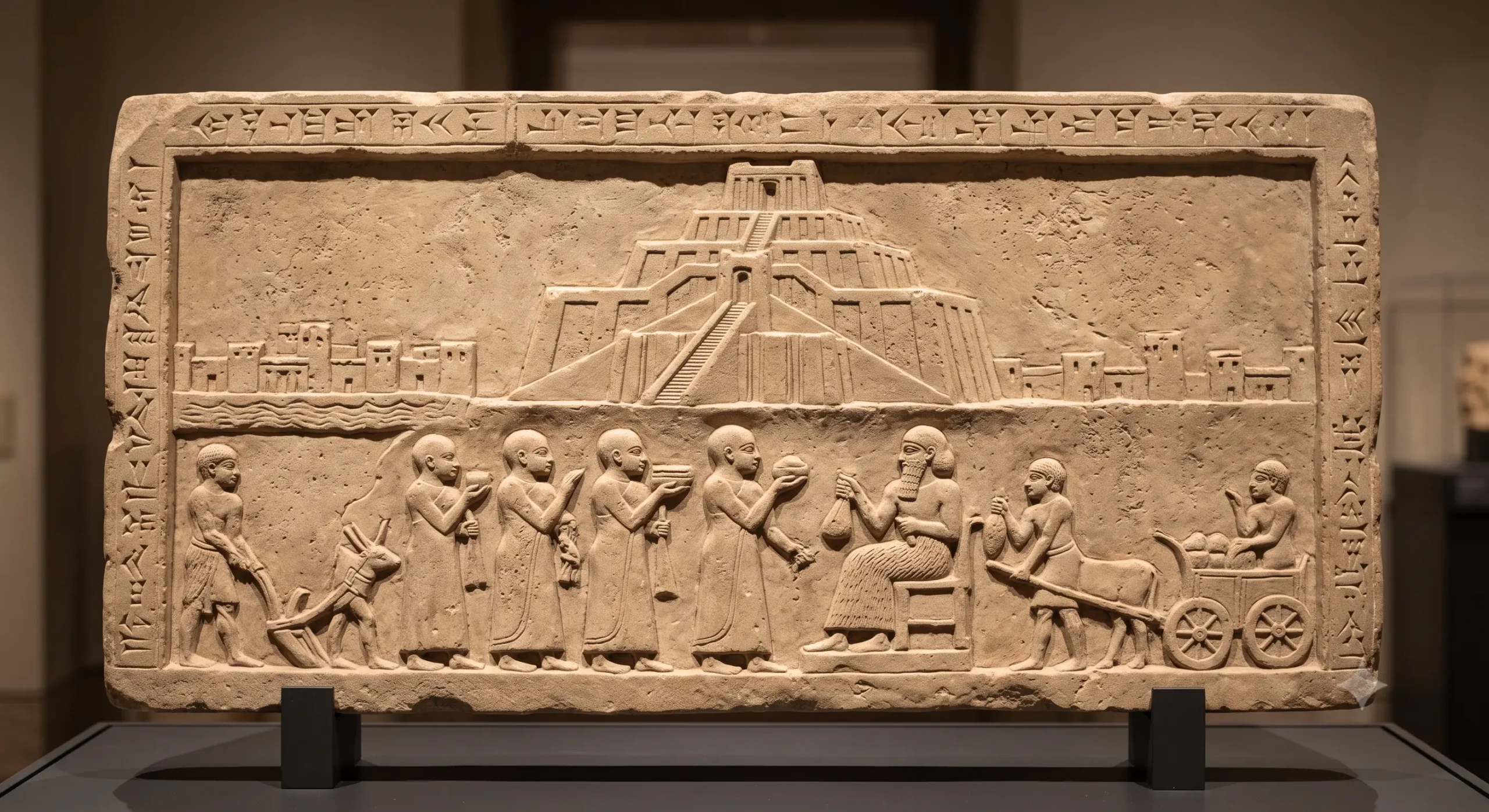
In royal Mesopotamian onomastics, the adoption of the throne name Šarru-kīn (Šarru = king, kīn = true, firm, or legitimate) carries profound political and propagandistic weight. In ancient Semitic linguistics, a name asserting that a monarch is “the legitimate king” almost invariably indicates that the individual was not the rightful hereditary heir to the throne.
Rather than inheriting an established royal line, Sargon was a political usurper who seized sovereign authority through military acumen and statecraft. The formal adoption of Šarru-kīn served as a perpetual ideological declaration designed to:
Consolidate a dual identity that resonated with both the Semitic-speaking populations of central and northern Mesopotamia and the traditional Sumerian administrative elite in the south.
Mask an irregular royal ascension by invoking divine election over dynastic inheritance.
Signal a fundamental break with the traditional, localized Sumerian dynastic lineages of the Early Dynastic III period.
Historical Context: Mesopotamia on the Eve of Sargonic Unification
Prior to the rise of Sargon, the Mesopotamian alluvium had never existed as a unified territorial state. The region was divided by environmental, linguistic, and political boundaries, characterized by intense inter-city competition during the final centuries of the Early Dynastic IIIb period (c. 2500–2334 BCE). Understanding this fragmented geopolitical landscape explains how Sargon identified institutional vulnerabilities and transformed regional warfare into imperial consolidation.
The Fragmented Sumerian City-States (Early Dynastic Landscape)
For nearly a millennium, southern Mesopotamia (Sumer) functioned as a network of autonomous, highly competitive city-states. Major urban centers such as Uruk, Ur, Lagash, Umma, and Kish operated as independent political units, each anchored by:
- Theocratic Micro-States: Each city was ideologically conceived as the private earthly estate of its patron deity (e.g., Nanna at Ur, Inanna at Uruk, Ningirsu at Lagash). The ruler (En, Ensi, or Lugal) served primarily as the divine steward managing temple lands and urban populations.
- Persistent Border Conflicts: Constant demographic growth and shifting river channels led to endemic warfare over vital agricultural boundaries and irrigation canal access. The protracted territorial feud between Lagash and Umma over the fertile Gu-edena plain (immortalized on the Stele of the Vultures) exemplifies the structural instability of the Early Dynastic system.
- Transient Hegemonies: While individual rulers occasionally claimed temporary preeminence by holding the prestigious title “King of Kish” (LUGAL KIŠ), these hegemonies were fragile, personal, and lacked the bureaucratic apparatus required to integrate conquered cities into a permanent political structure.
The Hegemony of Lugalzagesi: The Final Sumerian Consolidation
The direct political catalyst for Sargon’s emergence was the unprecedented expansion of Lugalzagesi, the ruler of Umma.
Through a series of aggressive military campaigns, Lugalzagesi achieved what no previous Sumerian monarch had accomplished:
- The Subjugation of Sumer: He sacked and burned his traditional rival Lagash, annexed the ancient holy city of Uruk (establishing it as his primary capital), and extended his suzerainty over Ur, Larsa, and Nippur.
- The “Lower Sea” to the “Upper Sea”: In royal vessel inscriptions dedicated at the temple of Enlil in Nippur, Lugalzagesi claimed that Enlil had made all foreign lands subject to him, opening trade routes from the Lower Sea (the Persian Gulf) to the Upper Sea (the Mediterranean).
Despite this vast reach, Lugalzagesi’s realm was not a centralized empire; it was an unstable confederation of subjugated Sumerian city-states held together by direct military coercion. The local civic elites resented his dominance, and his administrative mechanisms remained tied to traditional, localized temple structures. This systemic overextension left the southern cities vulnerable to external intervention from the north.
The Semitic-Speaking North vs. the Sumerian South
Mesopotamia in the mid-third millennium BCE was characterized by a dynamic linguistic and cultural symbiosis rather than rigid ethnic division:
┌────────────────────────────────────────────────────────────────────────┐
│ MESOPOTAMIAN ALLUVIAL PLAIN (c. 24th Century BCE)                      │
├───────────────────────────────────┬────────────────────────────────────┤
│ NORTHERN ALLUVIUM (Kish, Sippar) │ SOUTHERN ALLUVIUM (Ur, Uruk, Eridu)│
│ • Dominant Language: East Semitic │ • Dominant Language: Sumerian      │
│   (Early Akkadian dialect)        │   (Linguistic Isolate)             │
│ • Political Tradition: Secular    │ • Political Tradition: Temple-     │
│   Kingship (*Lugal*) & Palace-     │   Centric Administrative Estate    │
│   Centered Royal Estates          │   (*É*) Managed by *Ensi* │
└───────────────────────────────────┴────────────────────────────────────┘
- Linguistic Coexistence: While southern Mesopotamia spoke Sumerian (an agglutinative linguistic isolate), central and northern Mesopotamia—the region around Kish and the future site of Akkad (Agade)—was heavily populated by speakers of an East Semitic language (Old Akkadian). Decades of trade, intermarriage, and scribal exchange had already created a deep bilingual environment.
- Divergent Institutional Models: The southern Sumerian cities were heavily centered on temple economies (É), where political authority was tied to local priestly hierarchies. In contrast, the Semitic-speaking north developed stronger, palace-centered royal administrations where secular rulers held extensive direct control over civic land and military retinues.
When Sargon emerged from the northern city-state of Kish, he synthesized these two worlds: leveraging the secular, palace-driven military organization of the Semitic north to systematically dismantle the exhausted, fragmented city-state system of the Sumerian south, ultimately consolidating both regions around his new capital of Akkad (Agade).
The Origins of Sargon: Historiographical Sources and Legend
Because contemporary administrative records from Sargon’s earliest years are scarce, modern historians must reconstruct his ascension through a critical comparative reading of contemporary inscriptions and later literary traditions. Far from being simple folklore, the textual accounts of Sargon’s birth and rise represent sophisticated political propaganda designed to legitimize an irregular dynastic foundation and immortalize the king within Mesopotamian memory.
The Sargon Birth Legend (The Neo-Assyrian Text)
The most famous literary narrative detailing the monarch’s early life is the Sargon Birth Legend, an autobiographical poetic text preserved primarily on cuneiform clay tablets from the 7th-century BCE Neo-Assyrian royal libraries at Nineveh and Assur.
The composition outlines a classic Near Eastern narrative archetype:
- The High-Status, Secret Maternal Lineage: The text opens with the famous proclamation: “My mother was a high priestess (ēnûtu / en-priestess), my father I knew not.” His maternal connection to Azupiranu (a town located on the middle Euphrates) linked him to sacred institutional authority, while the deliberate omission of a royal father underscored his lack of hereditary dynastic claims.
- The River Exposure Motif: Because an en-priestess was often culturally or ritually prohibited from rearing offspring openly, she placed the newborn infant into a reed basket (quppu), sealed the lid with bitumen (itṭû) to make it watertight, and cast him into the current of the Euphrates River.
- Adoption by the Royal Gardener: Sargon was drawn from the water and adopted by Akki the Drawer of Water (nāq mê), a royal irrigator and gardener. Akki raised him as his own son and initiated him into the agricultural trade.
- The Intervention of Ishtar: While laboring as a humble gardener, Sargon attracted the romantic and patronal favor of the goddess Ishtar (Inanna): “While I was a gardener, Ishtar loved me, and for four and […] years I exercised kingship.”
┌─────────────────────────────────────────────────────────────────────────┐
│ THE SARGONIC HEROIC NARRATIVE PATTERN                                   │
├─────────────────────────────────────────────────────────────────────────┤
│ Obscure / Sacred Birth ➔ Exposure to Water in Bitumen-Sealed Basket ➔  │
│ Rescued by Humble Worker (Gardener) ➔ Divine Epiphany / Favor of Deity  │
│ ➔ Rapid Ascension to Sovereign Imperial Rule                            │
└─────────────────────────────────────────────────────────────────────────┘
This narrative pattern served as a powerful cultural paradigm across the ancient Near East, establishing an ideological model later mirrored in the biblical account of Moses (Exodus 2) and the classical foundation myth of Romulus and Remus.
The Sumerian Sargon Legend and King Ur-Zababa of Kish
A far more detailed, near-contemporary perspective on Sargon’s political emergence is preserved in the Sumerian Sargon Legend (dating from the Old Babylonian period, c. 1900–1600 BCE). This text places Sargon squarely within the royal court of the historical northern city-state of Kish.
According to the Sumerian composition:
- The Royal Cupbearer (šaqû): Sargon served not in military obscurity, but as the high-ranking royal cupbearer to King Ur-Zababa of Kish. The cupbearer was an exceptionally influential court official responsible for the physical safety, wine service, and personal counsel of the monarch.
- The Ominous Dream: Sargon experienced a prophetic nocturnal vision in which the goddess Inanna drowned King Ur-Zababa in a vast river of blood.
- The Court Intrigue and Failed Execution: Terrified by the omen, Ur-Zababa plotted Sargon’s assassination. He dispatched Sargon to deliver a bronze mirror to the chief smith Beli-tikal with secret instructions to throw the bearer into a smelting furnace. Inanna intervened at the threshold of the foundry, warning Sargon not to enter, thereby thwarting the plot.
- The Letter of Death: In a desperate second attempt, Ur-Zababa sent Sargon on a diplomatic mission to his rival, King Lugalzagesi of Uruk, carrying a sealed cuneiform message instructing Lugalzagesi to murder the courier—a narrative device marking the earliest known appearance of the “Uriah letter” motif in world literature.
Although the tablet breaks off before the conclusion, historical records confirm the outcome: Sargon forged an alliance or exploited internal discord, deposed Ur-Zababa, and mobilized northern forces against Lugalzagesi.
The Meaning of Šarru-kīn and the Historiography of Usurpation
From a critical philological standpoint, Sargon’s throne name—Šarru-kīn (Šarru = king, kīnum = true, legitimate, faithful, or permanent)—provides direct epigraphic evidence of royal usurpation:
- Compensatory Royal Onomastics: Legitimate dynastic heirs who inherited stable crowns (such as Eannatum of Lagash or later Shulgi of Ur) rarely adopted throne names explicitly proclaiming their legitimacy. An assertive declaration of legitimacy was historically utilized by non-dynastic rulers who came to power via military coup, internal revolt, or external conquest.
- The Break from Tradition: By choosing a Semitic royal name rather than a traditional Sumerian titular construct, Sargon signaled the establishment of a fundamentally new political order centered on imperial merit and direct divine mandate rather than ancestral lineage.
- Dual Legitimacy Strategy: Sargon managed to appeal simultaneously to:
- The Semitic North, presenting himself as a native son chosen by Ishtar and Dagan to champion centralized authority from Akkad (Agade).
- The Sumerian South, presenting his conquests as the fulfillment of the supreme god Enlil’s cosmic decree to restore order to an exhausted land.
Military Campaigns and the Defeat of Sumer
Sargon of Akkad transformed ancient warfare from localized, seasonal skirmishes over municipal borders into sustained, wide-ranging imperial campaigns. Armed with an unprecedented tactical doctrine and a permanent standing military corps, Sargon executed a multi-phase campaign that first dismantled the southern Sumerian coalition and subsequently expanded outward to secure vital trade arteries across the Near East.
The War Against Lugalzagesi and the Fall of Uruk
The decisive confrontation that reshaped the ancient world was the military showdown between Sargon and Lugalzagesi, the supreme ruler of Sumer who governed from Uruk. According to Old Babylonian copies of Sargonic triumphal inscriptions preserved at Nippur, Lugalzagesi led a massive confederation consisting of fifty individual city governors (Ensi) to halt the northern invader.
The campaign unfolded through swift, decisive maneuvers:
- The Battle of Uruk: Sargon met Lugalzagesi’s united Sumerian army in a pitched battle outside the walls of Uruk. Utilizing mobile archers and tightly organized infantry armed with bronze battle-axes and spears, Sargon shattered the traditional Sumerian heavy infantry phalanx.
- The Capture and Humiliation of the Sumerian King: Following the rout, Sargon breached and leveled the defensive fortifications of Uruk. Lugalzagesi was captured alive, stripped of his royal regalia, placed in a wooden neck-stock (carcan / ši-gar), and marched in public humiliation through the sacred gate of the supreme god Enlil at Nippur.
- Ideological Submission: By dragging the supreme ruler of Sumer to Nippur, Sargon demonstrated that Enlil—the divine arbiter of Mesopotamian kingship—had formally revoked Lugalzagesi’s mandate and bestowed sovereign rule over all the lands upon Sargon of Akkad (Agade).
┌─────────────────────────────────────────────────────────────────────────┐
│ SARGON'S STRATEGIC CONQUEST OF SOUTHERN SUMER                           │
├─────────────────────────────────────────────────────────────────────────┤
│ 1. Decisive Pitch Battle at Uruk (Destruction of Lugalzagesi's Army)    │
│    ➔ Capture & Public Humiliation of Lugalzagesi at Nippur Gate         │
│ 2. Systematic Reduction of Southern Strongholds (Ur, Lagash, Umma)      │
│    ➔ Tearing down municipal defensive city walls                         │
│ 3. The "Washing of the Weapons" in the Persian Gulf (Lower Sea)         │
│    ➔ Complete geopolitical unification of the Alluvial Plain            │
└─────────────────────────────────────────────────────────────────────────┘
The Conquest of the Southern Gulf (“The Lower Sea”)
Following the defeat of Uruk, Sargon systematically subdued the remaining southern city-states to eliminate any pocket of resistance:
- The Fall of Ur, E-Ninmar, and Lagash: Sargon marched south toward the maritime delta, defeating the forces of Ur, capturing the city, and demolishing its perimeter walls. He then drove eastward into the territory of Lagash, destroying the fortified coastal hub of E-Ninmar and conquering the entire territory extending down to the shoreline.
- The Demolition of City Walls: Unlike previous conquerors who left municipal ramparts intact after extracting tribute, Sargon made the unprecedented strategic decision to tear down the defensive walls of every conquered Sumerian city. This structural demilitarization prevented regional Ensi from organizing localized insurrections.
- The Ritual “Washing of the Weapons”: Upon reaching the shores of the Persian Gulf (the Lower Sea), Sargon performed a solemn royal victory rite: he ritually washed his battle-stained weapons in the seawater. This act carried immense symbolic significance, declaring that all lands from the northern alluvial plains to the absolute edge of the southern cosmos had been brought under sovereign Akkadian dominion.
Northern and Western Expansion: Mari, Ebla, and the Cedar Forest
With the southern alluvium secured, Sargon turned his military apparatus toward the northern and western commercial corridors along the Euphrates River. Mesopotamia was desperately poor in natural raw materials—lacking domestic sources of construction timber, building stone, and metal ores (tin, copper, silver)—which compelled Sargon to pursue aggressive resource-driven expansionism.
In an autobiographical inscription inscribed on a monument at Nippur, Sargon records his northern march:
“Sargon the king bowed down to the god Dagan in Tuttul; he made supplication to him. Dagan gave to him the Upper Land: Mari, Yarmuti, and Ebla, as far as the Cedar Forest and the Silver Mountains.”
┌─────────────────────────────────────────────────────────────────────────┐
│ WESTERN & NORTHERN TRADE LOGISTICS (SARGONIC EXPANSION)                 │
├───────────────────┬─────────────────────────────────────────────────────┤
│ Target Region     │ Strategic Resource / Economic Objective             │
├───────────────────┼─────────────────────────────────────────────────────┤
│ Mari (Middle      │ Control of middle Euphrates riverine trade networks │
│ Euphrates)        │ connecting southern Mesopotamia with the Levant     │
├───────────────────┼─────────────────────────────────────────────────────┤
│ Ebla & Yarmuti    │ Annexation of Syrian agricultural grain plains and  │
│ (Levant / Syria)  │ rich Mediterranean overland trade hubs              │
├───────────────────┼─────────────────────────────────────────────────────┤
│ The Cedar Forest  │ Giant Lebanese / Amanus cedar timber for royal      │
│ (Amanus / Lebanon)│ palatial and monumental temple architecture         │
├───────────────────┼─────────────────────────────────────────────────────┤
│ Silver Mountains  │ Direct access to raw silver, lead, and tin ores     │
│ (Taurus / Anatolia│ required for high-volume bronze tool/weapon casting │
└───────────────────┴─────────────────────────────────────────────────────┘
- The Subjugation of Mari and Ebla: Sargon advanced up the Euphrates, forcing the wealthy commercial kingdom of Mari and the great western trading empire of Ebla into vassalage, imposing heavy annual tributes in gold, silver, and precious lapis lazuli.
- Securing the Silver Mountains (Taurus) and Cedar Forest (Amanus): Pushing as far as modern southeastern Turkey and the Lebanese coast, Sargon’s armies secured the flow of highland silver and monumental cedar logs, floating giant timber rafts down the Euphrates straight to the shipyards of Akkad (Agade).
- Eastern Border Security (Elam and Awan): To protect his eastern flank from highland incursions, Sargon waged punitive campaigns across the Zagros foothills, capturing Susa and imposing tribute upon the confederation of Elam and Awan, consolidating the first true world empire spanning from the Mediterranean to the Persian Gulf.
The Foundation of Agade: Capital of an Empire
The establishment of Akkad (Agade) represents a fundamental watershed in ancient urbanism and statecraft. Rather than ruling from an established ancestral capital like Kish or a traditional religious metropolis like Nippur or Uruk, Sargon constructed an entirely new imperial capital. This strategic foundation allowed him to bypass deeply entrenched municipal aristocracies and theocratic temple elites, creating an administrative hub loyal solely to the Sargonic crown.
The Enigma of Akkad’s Archaeological Location
Despite extensive archaeological surveys across central and southern Iraq over the past century and a half, the exact physical location of Akkad (Agade) remains undiscovered, constituting one of the greatest enduring mysteries in Near Eastern archaeology.
┌─────────────────────────────────────────────────────────────────────────┐
│ PRINCIPAL ARCHAEOLOGICAL HYPOTHESES FOR THE SITE OF AKKAD (AGADE)       │
├───────────────────────┬─────────────────────────────────────────────────┤
│ Proposed Region       │ Topographical & Epigraphic Evidence             │
├───────────────────────┼─────────────────────────────────────────────────┤
│ Confluence of Tigris  │ Favored by modern assyriologists (e.g., Harvey   │
│ and Diyala Rivers     │ Weiss). Strategic junction for highland routes  │
│ (Near Modern Baghdad) │ leading directly into the Zagros and Iran.      │
├───────────────────────┼─────────────────────────────────────────────────┤
│ Vicinity of Kish and  │ Near the narrow neck of the Mesopotamian plain  │
│ Babylon (North Alluv.)│ where the Tigris and Euphrates flow closest,    │
│                       │ facilitating riverine and irrigation oversight. │
├───────────────────────┼─────────────────────────────────────────────────┤
│ Tell Muhammad /       │ High-density early third-millennium pottery and │
│ Ishan Mizyad Environs │ heavy alluvial silt deposition that may have    │
│                       │ buried the Sargonic layers under meters of clay.│
└───────────────────────┴─────────────────────────────────────────────────┘
Why Has Akkad Not Been Found?
- Alluvial Siltation: The dynamic, shifting hydrological courses of the Tigris and Euphrates rivers over five millennia have deposited thick strata of riverine silt, potentially burying the ruins beneath the water table.
- Destruction and Quarrying: Following the collapse of the Sargonic Dynasty and the subsequent Gutian invasions, Agade was thoroughly sacked. Later builders throughout the Old Babylonian, Kassite, and Neo-Babylonian periods extensively quarried ancient mudbrick structures for secondary construction materials.
- Modern Urban Encroachment: Several promising geographical candidates lie beneath modern agricultural infrastructure or heavily populated urban sectors in the greater Baghdad metropolitan periphery.
Agade as a Commercial and Maritime Hub
Although its ruins remain hidden, contemporary cuneiform administrative tablets and royal inscriptions document the extraordinary commercial wealth and logistical reach of Akkad (Agade) at its zenith.
In a famous royal inscription copied at Nippur, Sargon boasts of the international maritime trade docking at his capital’s quays:
“Sargon, king of the world, king of Agade: at the quays of Agade he caused the ships of Meluhha, the ships of Magan, and the ships of Dilmun to tie up.”
┌─────────────────────────────────────────────────────────────────────────┐
│ MARITIME COMMODITY NETWORKS AT THE QUAYS OF AGADE                       │
├───────────────────┬─────────────────────────────────────────────────────┤
│ Ancient Seafaring │ Modern Geographical Area & Primary Imports          │
│ Trading Partner   │                                                     │
├───────────────────┼─────────────────────────────────────────────────────┤
│ Dilmun            │ Bahrain & Eastern Arabian Coast                     │
│                   │ ➔ Transshipment of pearls, dates, and raw copper    │
├───────────────────┼─────────────────────────────────────────────────────┤
│ Magan (Makkan)    │ Oman Peninsula                                      │
│                   │ ➔ Massive ingots of high-grade copper and diorite   │
│                   │    stone for royal monumental statuary              │
├───────────────────┼─────────────────────────────────────────────────────┤
│ Meluhha           │ Indus Valley Civilization (Harappan Culture)        │
│                   │ ➔ Lapis lazuli, carnelian beads, ivory ornaments,   │
│                   │    gold dust, and exotic hardwoods                  │
└───────────────────┴─────────────────────────────────────────────────────┘
The Transformation of Mesopotamian Trade
Prior to Sargon, long-distance luxury trade was intermittent and controlled by intermediary merchant guilds or localized temples. Sargon reorganized foreign commerce into a state-protected monopoly:
- Direct Riverine Harbor Access: Deep-draft maritime vessels sailing up the Persian Gulf and navigating the Tigris-Euphrates estuary moored directly at the fortified inland quays of Akkad (Agade).
- Royal Warehouses and Redistribution: Raw luxury items—diorite for royal stelae, tin and copper for bronze weaponry, and lapis lazuli for cultic adornment—were gathered in centralized royal storehouses (bīt asakkim) before being distributed to craftsmen, temple shrines, and provincial governors.
- Urban Magnetism: The capital rapidly expanded into a cosmopolitan metropolis where Semitic-speaking Akkadians, Sumerian scribes, Elamite captives, and foreign merchants from the Persian Gulf and Indus Valley lived and conducted administrative transactions side by side.
Political and Administrative Innovations of Sargon’s Rule
Sargon did not merely conquer territories; he invented the structural machinery of the territorial state. Before his reign, Mesopotamian governance was fragmented among autonomous city-states dominated by conservative temple institutions. Sargon replaced this unstable landscape with centralized institutions, administrative standardization, and a professional military apparatus that established the blueprint for imperial statecraft for the next two millennia.
The Shift from City-State to Territorial Monarchy
The fundamental political revolution of the Sargonic period was the subordination of regional civic authority to the central authority of the king in Akkad (Agade).
┌─────────────────────────────────────────────────────────────────────────┐
│ THE EVOLUTION OF MESOPOTAMIAN POLITICAL AUTHORITY                       │
├────────────────────────────────────┬────────────────────────────────────┤
│ EARLY DYNASTIC MODEL (Pre-Sargonic)│ SARGONIC IMPERIAL MODEL            │
├────────────────────────────────────┼────────────────────────────────────┤
│ • Autonomous city-states ruled by  │ • Subordinated provincial network  │
│   local dynasties (*Lugal* / *Ensi*)│   governed from Akkad (Agade)      │
│ • Political power anchored to      │ • Secular imperial hierarchy       │
│   local patron temple estates      │   dominating civic and temple land │
│ • Fragile, temporary regional      │ • Permanent, institutionalized     │
│   treaties and shifting hegemonies │   monarchy with dynastic succession│
└────────────────────────────────────┴────────────────────────────────────┘
Key Administrative Mechanisms:
- The Imperial Governor (Ensi): Sargon systematically replaced rebellious native Sumerian rulers with loyal Akkadian royal appointees, known as “sons of the city of Akkad”. Even when local elites were retained as governors, their status was demoted from independent monarchs to bureaucratic officials accountable directly to the imperial throne.
- Land Redistribution and Royal Estates: The crown acquired vast agricultural tracts across southern and northern Mesopotamia through purchase, confiscation, and land reclamation. These royal estates (ugāru) were distributed to military commanders, royal administrators, and palace dependents, creating an entrenched class whose economic survival depended directly on the survival of the Sargonic dynasty.
The First Documented Standing Army
Before Sargon, Mesopotamian armies were temporary civic militias composed of seasonal farmers and temple dependents mobilized for brief summer campaigns between agricultural harvest cycles. Sargon revolutionized military doctrine by establishing humanity’s first permanent standing army.
In his royal monumental inscriptions copied at Nippur, Sargon recorded the logistical scale of his core military retinue:
“Sargon, king of the world, to whom the god Enlil gave no rival: 5,400 men daily ate bread before him.”
┌─────────────────────────────────────────────────────────────────────────┐
│ STRUCTURE OF THE SARGONIC STANDING CORPS                                │
├───────────────────────┬─────────────────────────────────────────────────┤
│ Military Component    │ Tactical Function & Organization                │
├───────────────────────┼─────────────────────────────────────────────────┤
│ The Royal Guard       │ Core retinue of 5,400 professional soldiers     │
│ (*GIR.SE.GA*)         │ fed directly from the palace storehouses        │
├───────────────────────┼─────────────────────────────────────────────────┤
│ Composite Bowmen      │ High-mobility missile units breaking traditional│
│ & Light Skirmishers   │ Sumerian bronze-shielded infantry phalanxes     │
├───────────────────────┼─────────────────────────────────────────────────┤
│ Mobile Shock Troops   │ Infantry equipped with cast-bronze axes and     │
│ & Chariot Support     │ spears, capable of rapid trans-regional marches │
└───────────────────────┴─────────────────────────────────────────────────┘
- Professional Logistics: Maintaining 5,400 men on daily royal rations required a permanent supply network of centralized granaries, bakeries, and textile mills managed by the crown.
- Tactical Superiority: While southern Sumerian armies relied heavily on dense, slow-moving infantry blocks armed with heavy copper spears (as depicted on the Stele of the Vultures), Sargon deployed mobile archers armed with the composite bow and light skirmishers, giving his troops tactical flexibility across both open plains and rugged Zagros highlands.
Standardization of Cuneiform and Bilingual Bureaucracy
To manage an empire stretching from the Persian Gulf to the Mediterranean, Sargon overhauled the scribal administration of Mesopotamia, establishing standard protocols that eliminated municipal bureaucratic friction:
- Adoption of Old Akkadian as the Official Diplomatic Script: While Sumerian remained the prestigious language of cultic liturgy, Sargon instituted Old Akkadian (an East Semitic language) as the official language of imperial administration, legal decrees, and royal inscriptions.
- Epigraphic and Orthographic Standardization: Sargonic scribal academies in Akkad (Agade) redesigned cuneiform palaeography. Cuneiform signs were standardized into elegant, deeply incised, uniform cursive forms, making administrative tablets legible to scribes stationed in distant provinces like Susa (Elam), Mari (Syria), or Ur (Sumer).
- Unified Accounting and Rationing Standards: Sargon harmonized metrological systems across the realm, standardizing capacity measures for barley, dry grain, and oil rations (gur system) and introducing uniform weight measures (the Akkadian mina and shekel). This allowed the imperial treasury to collect taxes and audit provincial granaries with systematic precision.
Religious Strategy and the Role of Enheduanna
Sargon recognized that military subjugation alone could not secure permanent control over southern Mesopotamia. The Sumerian city-states possessed deep-seated religious traditions centered on local temple hierarchies that viewed northern Semitic rule with suspicion. To bridge this profound cultural divide, Sargon executed a calculated religious policy: he preserved traditional Sumerian cultic centers, engineered a theological syncretism, and placed his own royal daughter, Enheduanna, at the apex of the southern religious hierarchy.
The Syncretism of Inanna and Ishtar as a Political Tool
Rather than imposing northern deities by force, Sargon pursued an integrative theological strategy designed to unite the Semitic-speaking north and the Sumerian-speaking south under a shared divine mandate:
- The Identification of Ishtar with Inanna: Sargon systematically merged the Semitic astral and martial goddess Ishtar (specifically Ishtar-Annunitum) with the ancient Sumerian goddess of love and warfare, Inanna of Uruk and Zabalam. By presenting them as two aspects of the same cosmic power, Sargon positioned his imperial ambitions not as foreign conquest, but as the fulfillment of Inanna’s divine will.
- Imperial Devotion to Zabalam: Sargon chose the city of Zabalam—an ancient cult center of Inanna in southern Sumer—as a primary personal shrine, dedicating lavish votive offerings and styling himself in royal inscriptions as the favored earthly champion of Inanna-Zabalam.
- Respect for the Nippur Priesthood: Sargon submitted to the ancient supremacy of Enlil, the chief deity of the Sumerian pantheon, whose sanctuary E-kur at Nippur was the traditional source of legitimate Mesopotamian kingship. By dedicating war trophies, captive kings, and royal monuments directly to Enlil, Sargon secured the formal endorsement of the influential Nippur priesthood.
┌─────────────────────────────────────────────────────────────────────────┐
│ SARGON'S THEOLOGICAL SYNTHESIS                                          │
├───────────────────────────────────┬─────────────────────────────────────┤
│ Northern Semitic Cults            │ Southern Sumerian Institutions      │
├───────────────────────────────────┼─────────────────────────────────────┤
│ • Martial devotion to Ishtar      │ • Syncretized with Inanna of Uruk   │
│ • Patronage of Dagan (Euphrates)  │ • Acknowledgment of Enlil at Nippur │
│ • Palace-centered royal ideology  │ • Co-optation of Temple Priesthoods │
└───────────────────────────────────┴─────────────────────────────────────┘
The Appointment of Enheduanna at Ur: Dynastic Control of the Priesthood
The most brilliant institutional maneuver of Sargon’s reign was the installation of his daughter, Enheduanna, as the High Priestess (En-Priestess) of the moon god Nanna (Sin) at the Gipar (sacred residence) in Ur.
1. Political Significance of the En-Office
The position of En-priestess of Nanna was the highest sacred office in southern Mesopotamia, historically reserved for the daughters of elite Sumerian rulers. By appointing Enheduanna:
- Sargon established direct crown control over the immense wealth and agricultural estates of the Nanna temple complex at Ur.
- He created a continuous dynastic tradition: for the next five centuries, Mesopotamian kings (including the subsequent Third Dynasty of Ur) appointed their royal daughters as High Priestesses of Nanna to guarantee political loyalty in the south.
2. The Earliest Named Literary Author
Enheduanna was not merely a ceremonial figure; she was a brilliant theologian and poet. Her literary compositions—most famously Nin-me-šara (The Exaltation of Inanna) and the Temple Hymns (E-u-nir)—served as profound ideological masterpieces:
- Theological Unification: Her hymns praised forty-two major temples across Sumer and Akkad, standardizing their liturgies and conceptually binding the independent city-sanctuaries into a unified sacred realm under Akkadian rule.
- Historical Memory: Through these signed cuneiform tablets, Enheduanna became the first individually named author in recorded human history.
┌─────────────────────────────────────────────────────────────────────────┐
│ THE DISK OF ENHEDUANNA (PRIMARY ARCHAEOLOGICAL EVIDENCE)                │
├─────────────────────────────────────────────────────────────────────────┤
│ Discovered at Ur in the *Gipar* complex, this circular alabaster relief │
│ depicts Enheduanna accompanied by ritual attendants pouring a libation  │
│ before an altar, wearing the flounced ceremonial robe and horned headdress│
│ of the High Priestess, with an inscription naming her as Sargon's daughter.│
└─────────────────────────────────────────────────────────────────────────┘
Patronage of the Cult of Dagan and the Upper Euphrates
While securing southern loyalty through Ur and Nippur, Sargon solidified his northern and western imperial legitimacy by honoring Dagan, the supreme storm and agricultural deity of the middle and upper Euphrates:
- The Sanctuary at Tuttul: During his northwestern military campaigns toward Syria, Sargon visited the sacred city of Tuttul (modern Tell Bi’a), where he prostrated himself before Dagan.
- Divine Sanction for Western Conquest: Royal inscriptions record that Dagan granted Sargon the sovereignty over the “Upper Lands”—encompassing Mari, Yarmuti, and Ebla up to the Mediterranean coast.
- Ideological Legitimacy across Semitic Regions: By presenting himself as the humble devotee of Dagan, Sargon positioned his authority as legitimate among the West-Semitic populations of Syria and Upper Mesopotamia, creating an imperial ideology that resonated across hundreds of kilometers beyond the Mesopotamian heartland.
Aquí tienes el desarrollo completo y riguroso del octavo apartado, variando el formato estructural para que la lectura sea mucho más dinámica, fluida y con alto valor académico (E-E-A-T):
Primary Archaeological and Epigraphic Sources
Reconstructing the reign of Sargon of Akkad requires navigating a distinct historiographical challenge: while his name echoed through Mesopotamian literature for two millennia, very few monumental stone sculptures survive with his name directly inscribed. Historians rely on a combination of contemporary administrative tablets, Old Babylonian scribal transcriptions of his lost monuments, and iconic un-inscribed masterpieces.
The Sumerian King List (SKL): Chronographic Testimony
The most famous chronological framework for Sargon’s reign comes from the Sumerian King List (SKL), an ancient historiographical composition surviving on numerous cuneiform prisms and tablets (such as the Weld-Blundell Prism in the Ashmolean Museum).
The entry for Sargon marks the dramatic transition from the Early Dynastic city-state system to the Old Akkadian imperial era:
“In Agade, Sargon—his father was a date-grower, the cupbearer of Ur-Zababa, the king of Agade who built Agade—became king; he ruled 56 years.”
- Chronological Value: The SKL provides the standard regnal figure of 56 years (c. 2334–2279 BCE), establishing his place immediately after the defeat of Lugalzagesi of Uruk.
- Historiographical Caveats: Although compiled in its canonical form during the subsequent Isin-Larsa and Old Babylonian periods to promote political continuity, the list confirms Sargon’s non-dynastic background and his foundational role as the builder of Akkad (Agade).
The Royal Inscriptions: Old Babylonian Copies from Nippur
Because many original Sargonic victory stelae erected in temples were looted in antiquity or destroyed during later sieges, our primary epigraphic window into Sargon’s exact words comes from scribal exercise tablets from the Old Babylonian scribal school (É-dub-ba) at Nippur.
During the early second millennium BCE (c. 1800 BCE), scribes and students systematically visited the courtyard of the E-kur temple of Enlil at Nippur, copying the archaic cuneiform texts inscribed on the bases of Sargon’s original bronze and diorite statues.
These transcriptions—preserved on tablets now cataloged in the University of Pennsylvania Museum and the Louvre—contain:
- The Official War Accounts: Line-by-line narrations of the capture of Lugalzagesi, the dismantling of the walls of Ur, Umma, and Lagash, and the washing of weapons in the Persian Gulf.
- Metrological & Logistical Claims: The explicit administrative record of the 5,400 soldiers fed daily by the palace and the listing of foreign merchant fleets docking at Agade’s harbors.
- Curses Against Desecrators: Standard Sargonic legal formulas invoking Enlil, Shamash, and Ishtar to tear out the foundations and destroy the progeny of anyone who defaced or removed his monuments.
The Bronze Head of Nineveh: Icon of Akkadian Royalty
Unearthed in 1931 by British archaeologist Max Mallowan inside the Ishtar temple complex at Nineveh (modern Mosul, Iraq), the Bronze Head of an Akkadian Ruler (housed in the Iraq Museum, Baghdad) is widely regarded as one of the supreme masterpieces of ancient Near Eastern metallurgy.
Archaeological and Stylistic Analysis:
- Technological Sophistication: Cast in high-grade copper/bronze using the complex lost-wax method (cire perdue), the life-size head exhibits unparalleled anatomical precision, featuring intricately braided royal hair tied into a chignon, an elaborate patterned beard, and inlaid sockets that originally held precious gemstone eyes.
- Ritual Mutilation in Antiquity: The sculpture shows deliberate physical damage inflicted when the Medes and Babylonians sacked Nineveh in 612 BCE. The ears were lopped off, the tip of the nose flattened, and the eyes gouged out—a ritual defacement intended to strip the represented monarch of his sensory perception and supernatural power in the afterlife.
┌────────────────────────────────────────────────────────────────────────┐
│ THE IDENTITY DEBATE: SARGON OR NARAM-SIN?                              │
├───────────────────────────────────┬────────────────────────────────────┤
│ Argument for Sargon of Akkad      │ Argument for Naram-Sin (Grandson)  │
├───────────────────────────────────┼────────────────────────────────────┤
│ • Traditional portraiture of the  │ • Climax of artistic naturalism    │
│   founding patriarch of the line. │   characteristic of Naram-Sin's    │
│ • Dedications made by Sargon at   │   reign (as on his Victory Stele). │
│   the early Ishtar shrine in      │ • Direct epigraphic evidence of    │
│   Nineveh.                        │   Akkadian royal building projects │
│                                   │   commissioned by Naram-Sin there. │
└───────────────────────────────────┴────────────────────────────────────┘
Whether the bronze portrait represents Sargon himself or his grandson Naram-Sin, it embodies the definitive visual archetype of Sargonic imperial majesty: absolute confidence, severe imperial dignity, and supreme authority over the Mesopotamian world.
Key Epigraphic Artifacts: Summary Reference
- The Disk of Enheduanna (Ur): Alabaster votive disk confirming Sargon’s paternity and his daughter’s ecclesiastical rank.
- Sargonic Votive Inscriptions (Nippur & Susa): Diorite statue fragments and stele bases recovered from excavations at Nippur and as Elamite war booty in Susa.
- Contemporary Administrative Tablets (Gasur, Adab, Umma, Girsu): Hundreds of daily ration lists, land sale contracts, and official letters written in standardized Old Akkadian cuneiform bearing the seals of Sargon’s royal administrators.
The Late Reign, Rebellions, and Dynastic Succession
Maintaining an empire forged by conquest was a constant military challenge. In the ancient Near East, imperial cohesion depended heavily on the personal charisma and martial presence of the ruling monarch. In the final years of Sargon’s 56-year reign, age, logistical strain across distant provinces, and simmering civic resentment triggered widespread insurrections that nearly toppled the fledgling empire.
General Revolts at the End of Sargon’s Life
Historical chronicles, most notably the later Babylonian Chronicle of Early Kings, preserve a dramatic account of the violent rebellions that erupted across Mesopotamia during Sargon’s twilight years:
“In his old age, all the lands revolted against him, and they besieged him in Agade. But Sargon went forth to battle and defeated them; he overthrew them and cast down their vast army.”
The nature of these late uprisings reveals the structural tensions inherent in the first territorial empire:
- The Rebellion of the Sumerian Old Guard: Despite decades of Akkadian governance, the former ruling classes of southern cities like Ur, Uruk, and Kazallu viewed the centralized rule of Akkad (Agade) as an unnatural imposition. Seeing the aging king weaken, local factions launched coordinated revolts to restore municipal independence.
- The Siege of Agade: According to scribal traditions, rebel coalitions advanced to the gates of the capital itself. Sargon mobilized his veteran royal guard, broke the encirclement in a ferocious sally, and crushed the insurgent forces in open combat.
- Punitive Counter-Offensives: Following the relief of the capital, Sargon mounted sweeping punitive raids across the alluvial plains, razing hostile settlements and reaffirming royal dominance over the northern and southern trade routes.
The Sargonic Succession: From Rimush to Naram-Sin
Sargon did not leave a fragmented realm upon his death (c. 2279 BCE); he succeeded in institutionalizing patrilineal dynastic succession, ensuring that sovereign power remained firmly within the House of Sargon for over a century.
                  ┌──────────────────────────────┐
                  │       SARGON OF AKKAD        │
                  │   (Reigned c. 2334–2279 BCE) │
                  └──────────────┬───────────────┘
                                 │
         ┌───────────────────────┼────────────────────────┐
         │                       │                        │
┌────────┴─────────┐   ┌─────────┴──────────┐   ┌─────────┴──────────┐
│  ENHEDUANNA      │   │     RIMUSH         │   │   MANISHTUSHU      │
│  High Priestess  │   │ (c. 2278–2270 BCE) │   │ (c. 2269–2255 BCE) │
│  of Ur & Author  │   │ Suppressed general │   │ Expanded maritime  │
└──────────────────┘   │ Sumerian revolts   │   │ trade & conquered  │
                       └────────────────────┘   │ Anshan (Elam)      │
                                                └─────────┬──────────┘
                                                          │
                                                ┌─────────┴──────────┐
                                                │     NARAM-SIN      │
                                                │ (c. 2254–2218 BCE) │
                                                │ Zenith of Empire & │
                                                │ Direct Deification │
                                                └────────────────────┘
1. Rimush (c. 2278–2270 BCE): The Iron Fist
Upon Sargon’s death, the Sumerian south rose in universal rebellion led by Kaku of Ur. Sargon’s son Rimush inherited the throne and waged brutal pacification campaigns, slaughtering tens of thousands of combatants, taking mass captives, and confirming the status of his sister Enheduanna at Ur. Rimush’s brief 9-year reign ended abruptly in court intrigue, reportedly assassinated with cylinder-seal stamps by palace conspirators.
2. Manishtushu (c. 2269–2255 BCE): Maritime and Economic Consolidation
Succeeding his brother, Manishtushu turned toward large-scale economic statecraft and long-distance trade.
- He led a maritime expedition across the Lower Sea (Persian Gulf), defeating a coalition of 32 Arabian coastal rulers and securing direct access to silver mines and black diorite quarries in Oman (Magan).
- He commissioned the famous Manishtushu Obelisk (now in the Louvre), a monumental four-sided diorite inscription documenting the imperial purchase of vast agricultural estates in northern Babylonia from local family clans, proving the crown’s systematic acquisition of private real estate.
3. Naram-Sin (c. 2254–2218 BCE): The Imperial Zenith
Sargon’s grandson, Naram-Sin, brought the Akkadian Empire to its political and cultural apex. Elevating his grandfather’s model of territorial monarchy, Naram-Sin became the first Mesopotamian monarch to formally proclaim his own divinity during his lifetime (prefixing his royal name with the cuneiform divine determinative Dingir) and adopting the supreme title “King of the Four Quarters of the World”.
Sargon’s Historical Memory and Legacy in the Ancient World
The historical impact of Sargon of Akkad extended far beyond the physical existence of his empire. In the collective consciousness of the ancient Near East, Sargon ceased to be merely a deceased monarch and became the archetype of the universal emperor. For more than two thousand years, successive Babylonian, Assyrian, and Persian sovereigns measured their own geopolitical legitimacy against the legendary standards established by the founder of Akkad (Agade).
The Archetype of the Ideal King in Babylonian and Assyrian Literature
Throughout the second and first millennia BCE, scribal academies (É-dub-ba) across Mesopotamia continuously copied, reinterpreted, and expanded literary compositions celebrating Sargon’s reign. Rather than fading into antiquity, Sargon became a foundational hero within Mesopotamian royal ideology.
Major Literary Cycles Featuring Sargon:
- The King of Battle (Šar tamḫāri): A celebrated epic composition, discovered in archives as far afield as Hattusa (the Hittite capital in Anatolia) and Tell el-Amarna (Egypt), narrating Sargon’s daring expedition across the treacherous Taurus Mountains into central Anatolia to rescue Mesopotamian merchants oppressed by the ruler of Purushanda. This text transformed Sargon into an international heroic figure who broke through the geographical boundaries of the known cosmos.
- The Weidner Chronicle & The Chronicle of Early Kings: Historiographical treatises compiled in Babylon that used Sargon’s piety—or alleged cultic lapses regarding the sacred city of Babylon—as theological case studies to instruct contemporary kings on the divine consequences of royal actions.
- Astronomical Omen Literature (Enūma Anu Enlil): Mesopotamian diviners cataloged specific celestial configurations, lunar eclipses, and liver omens as “Omens of Sargon”, interpreting them as infallible cosmic portents forecasting sovereign conquest, imperial unification, and the total subjugation of foreign enemies.
┌────────────────────────────────────────────────────────────────────────┐
│ THE SARGONIC LEGACY: EVOLUTION ACROSS MESOPOTAMIAN HISTORY             │
├───────────────────┬────────────────────────────────────────────────────┤
│ Historical Era    │ Transmission & Ideological Reinterpretation        │
├───────────────────┼────────────────────────────────────────────────────┤
│ Third Dynasty     │ Shulgi of Ur models royal hymns and standing army  │
│ of Ur (Ur III)    │ structures on Sargonic administrative prototypes.  │
├───────────────────┼────────────────────────────────────────────────────┤
│ Old Babylonian    │ Scribal schools at Nippur copy royal inscriptions; │
│ Period (Hammurabi)│ Hammurabi emulates Sargonic law and statecraft.    │
├───────────────────┼────────────────────────────────────────────────────┤
│ Neo-Assyrian      │ Scribes compile the *Birth Legend*; Sargon II      │
│ Empire (Iron Age) │ adopts the regnal name to justify imperial rule.   │
└───────────────────┴────────────────────────────────────────────────────┘
Sargon II of Assyria: Conscious Dynastic Revival
The most explicit testament to Sargon’s enduring authority occurred more than 1,600 years after his death, when the Neo-Assyrian monarch Sargon II (Šarru-kīn II, reigned 722–705 BCE) ascended the throne:
- Deliberate Onomastic Choice: Following a violent dynastic disruption and the usurpation of the Assyrian crown from Shalmaneser V, the new king deliberately chose the throne name Šarru-kīn. Just like his ancient namesake, Sargon II was a non-lineal usurper who used the name “The Legitimate King” as an assertive political shield.
- Imperial Emulation: Sargon II self-consciously mirrored the achievements of Sargon of Akkad: he campaigned from the Mediterranean to the Persian Gulf, deported rebellious populations, founded a brand-new imperial capital (Dur-Sharrukin / Khorsabad), and commissioned royal inscriptions that deliberately evoked the archaic phrasing of Old Akkadian monuments.
- Preservation of the Birth Legend: It was under the royal patronage of the Sargonid dynasty of Assyria (Sargon II, Sennacherib, and Ashurbanipal) that the canonical text of the Sargon Birth Legend was edited and preserved in the great Royal Library of Nineveh.
Enduring Structural Legacy: The Invention of Imperial Governance
Sargon of Akkad fundamentally altered the trajectory of human civilization by replacing isolationist civic identity with the vision of a multinational territorial empire.
His institutional innovations survived every subsequent political collapse:
- The Standing Army: The professionalization of military service became the mandatory standard for all subsequent Near Eastern superpowers.
- Centralized Bureaucracy: The use of standardized legal formulae, official diplomatic scripts, and synchronized weights and measures set the precedent for the administrative apparatus of the Achaemenid Persian Empire and later Roman administration.
- Ideological Unification: The integration of diverse ethnic groups, languages, and regional pantheons under a single sovereign crown established the core paradigm of imperial monarchy that dominated western Asia for millennia.
Frequently Asked Questions About Sargon of Akkad
What is Sargon of Akkad famous for?
Sargon of Akkad is famous for creating the world’s first multi-ethnic, centrally administered territorial empire (the Akkadian Empire) around 2334 BCE. He unified the independent Sumerian city-states with northern Mesopotamia, instituted history’s first permanent standing army of 5,400 professional soldiers, founded the capital of Akkad (Agade), and appointed his daughter Enheduanna, who became the world’s first recorded literary author.
What god did Sargon of Akkad worship?
Sargon primarily worshipped the goddess Ishtar (whom he syncretized with the Sumerian Inanna as his divine patron), the middle-Euphrates storm and agricultural deity Dagan (at Tuttul), and Enlil of Nippur, the supreme arbiter of the Mesopotamian pantheon from whom he derived his legitimate mandate to rule over all Sumer and Akkad.
Is Sargon of Akkad mentioned in the Bible?
No. Sargon of Akkad lived during the third millennium BCE (c. 2334–2279 BCE) and is not mentioned in the Hebrew Bible. The biblical text (Isaiah 20:1) mentions a much later Iron Age monarch named Sargon II (Šarru-kīn II, reigned 722–705 BCE), a Neo-Assyrian king who deliberately adopted Sargon of Akkad’s ancient regnal name when usurping the Assyrian throne more than 1,500 years later.
What was Sargon of Akkad’s original name and meaning?
Sargon’s regnal name in Old Akkadian was Šarru-kīn (rendered as LUGAL-GI.NA in Sumerian epigraphy), which translates to “The Legitimate King” or “The True King”. Because non-hereditary rulers typically adopted this onomastic formula after taking power by force, modern historians recognize it as a throne name chosen to legitimize his usurpation of the crown of Kish.
Where was Sargon’s capital city of Akkad (Agade) located?
The exact archaeological site of Akkad (Agade) has never been discovered. Ancient cuneiform itineraries and commercial texts indicate it was situated along the Tigris or Euphrates rivers in central Mesopotamia, likely near the confluence of the Tigris and Diyala rivers in the vicinity of modern-day Baghdad, Iraq.
How long did Sargon of Akkad rule?
According to the Sumerian King List (SKL) and chronological synchronisms with contemporary Old Babylonian scribal copies, Sargon ruled for 56 years, from approximately 2334 BCE to 2279 BCE (under the Middle Chronology).
Further Reading & Academic Web Resources
Primary Sources & Cuneiform Translations:
- The Electronic Text Corpus of Sumerian Literature (ETCSL – University of Oxford): Access critical English translations of the Sumerian King List (SKL) and the composition of Sargon and Ur-Zababa.
- The Cuneiform Digital Library Initiative (CDLI): An international digital repository providing high-resolution scans, transliterations, and metadata for thousands of Old Akkadian administrative tablets and royal inscriptions.
Museum Archives & Material Culture:
- The Metropolitan Museum of Art: The Akkadian Period (ca. 2350–2150 B.C.): An essential curatorial essay from the Heilbrunn Timeline of Art History exploring the artistic revolution, monumental cylinder seals, and metallurgy under Sargon and his dynasty.
- The British Museum Collection: Curatorial database featuring Mesopotamian royal inscriptions, early third-millennium weapons, and administrative cuneiform tablets from central and southern Iraq.
Historical Overviews & Encyclopedic Entries:
- World History Encyclopedia: Sargon of Akkad: A comprehensive, peer-reviewed historical overview detailing Sargon’s military campaigns, the birth legend, and the foundational role of Enheduanna.
- Encyclopaedia Britannica: Sargon of Akkad Biography: Academic biographical entry written by Oxford Assyriologists detailing the chronology, Semitic onomastics, and political transformation of Mesopotamia under Sargon the Great.
Pingback: Naram-Sin: The Akkadian King Who Became a God - ancientneareast.site