Ancient Egyptian Civilization: One of the Greatest Cultures in History
Ancient Egyptian civilization was one of the longest-lasting and most influential cultures of the ancient world. For more than three thousand years, Egypt flourished along the banks of the Nile River, developing a sophisticated society known for its monumental architecture, powerful rulers, religious traditions, and remarkable achievements in science, art, and government.
Protected by natural barriers and supported by the fertile Nile Valley, Egypt became one of the most stable civilizations in history. Its rulers built vast kingdoms, established complex administrative systems, and left behind some of humanity’s most recognizable monuments.
From the Great Pyramids of Giza to the temples of Luxor and the tombs of the Valley of the Kings, ancient Egypt continues to fascinate people around the world.
Today, Egyptian civilization remains one of the most studied and celebrated cultures of antiquity.
Explore Ancient Egyptian Civilization
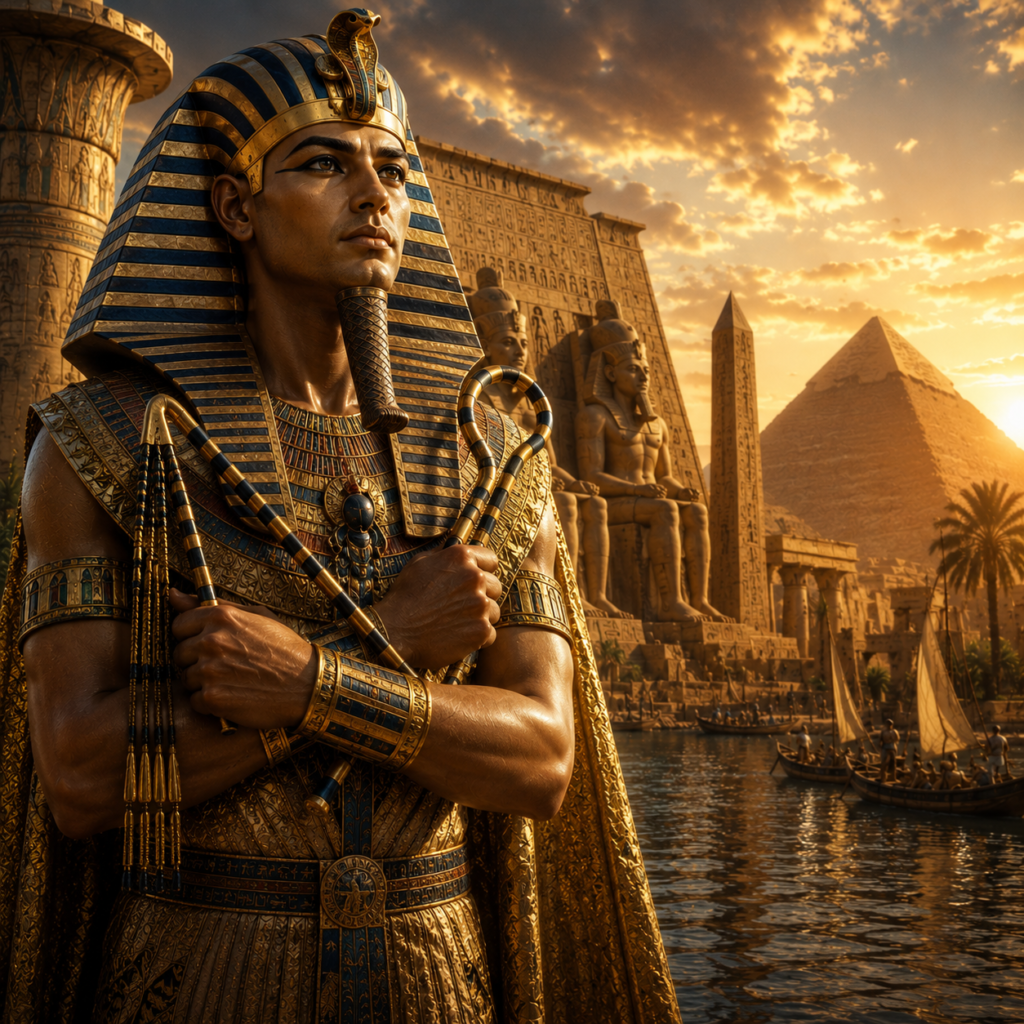
Egyptian Paraohs
Discover the legendary pharaohs who shaped the destiny of ancient Egypt
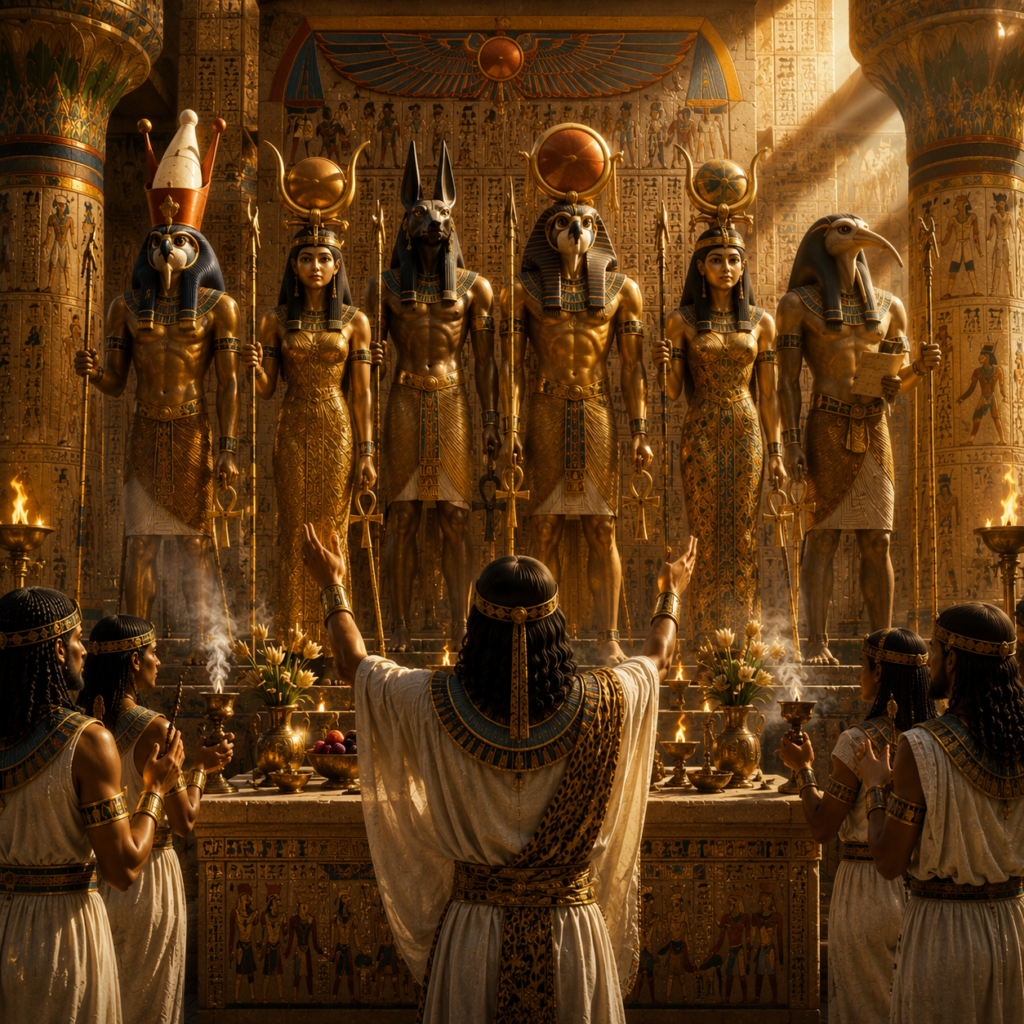
Egyptian Religion
Explore the sacred traditions that guided every aspect of ancient Egyptian life
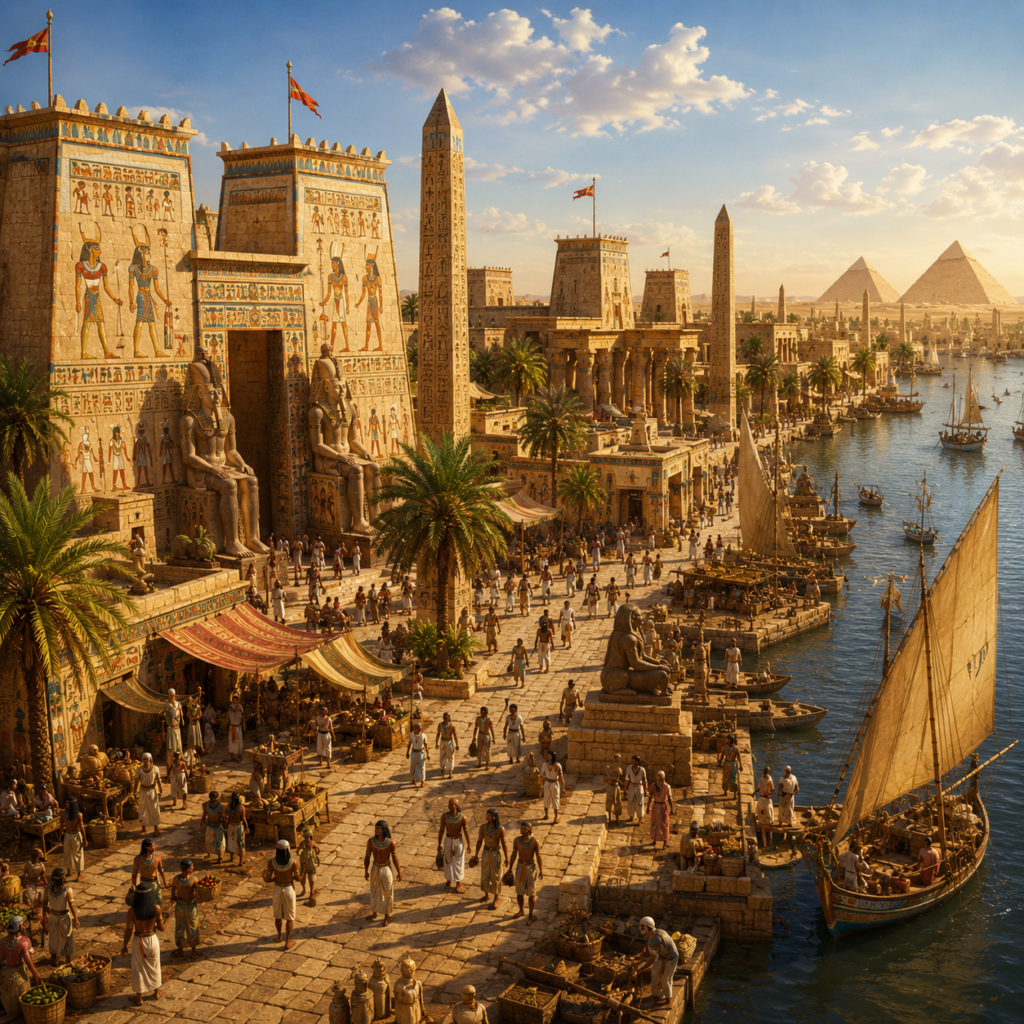
Egyptian Cities
Journey through the cities that shaped the culture, power, and legacy of ancient Egypt
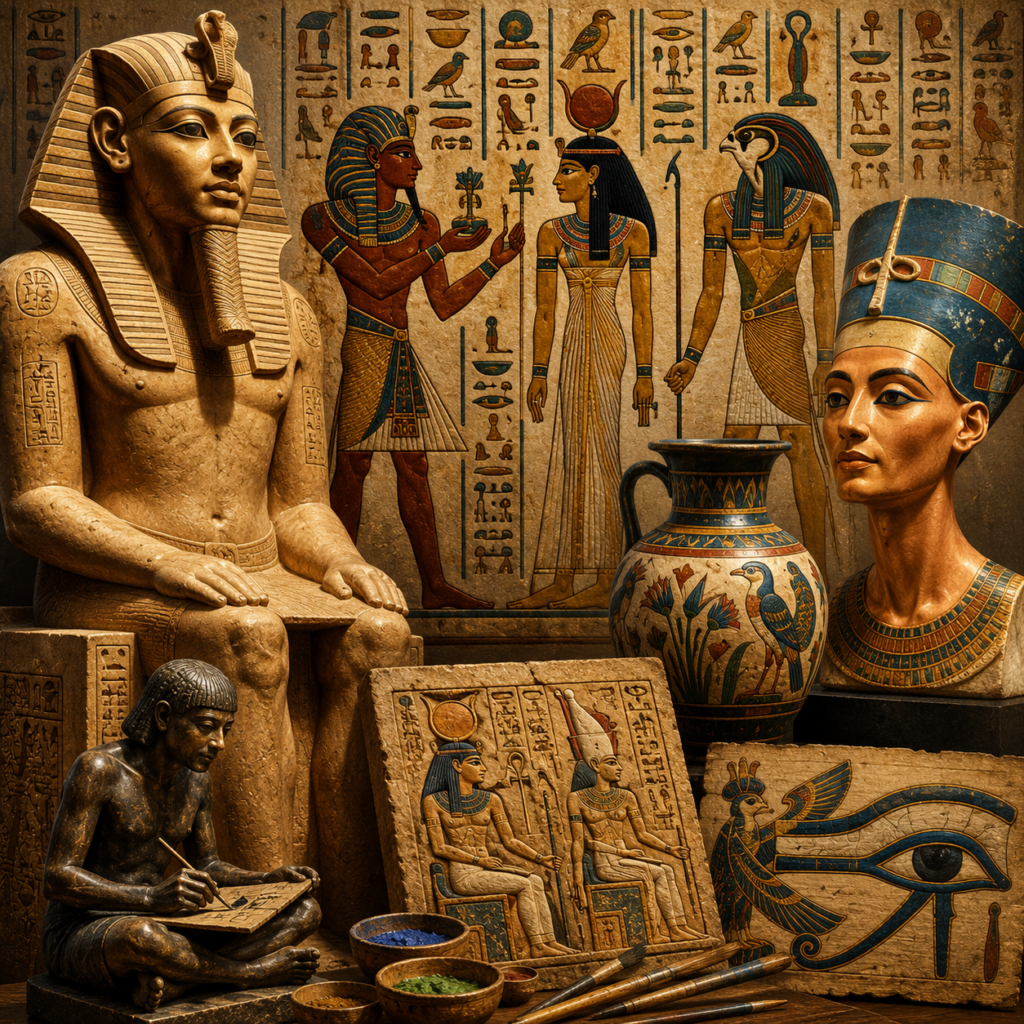
Egyptian Art
Discover the art that brought ancient Egypt’s beliefs, power, and beauty to life
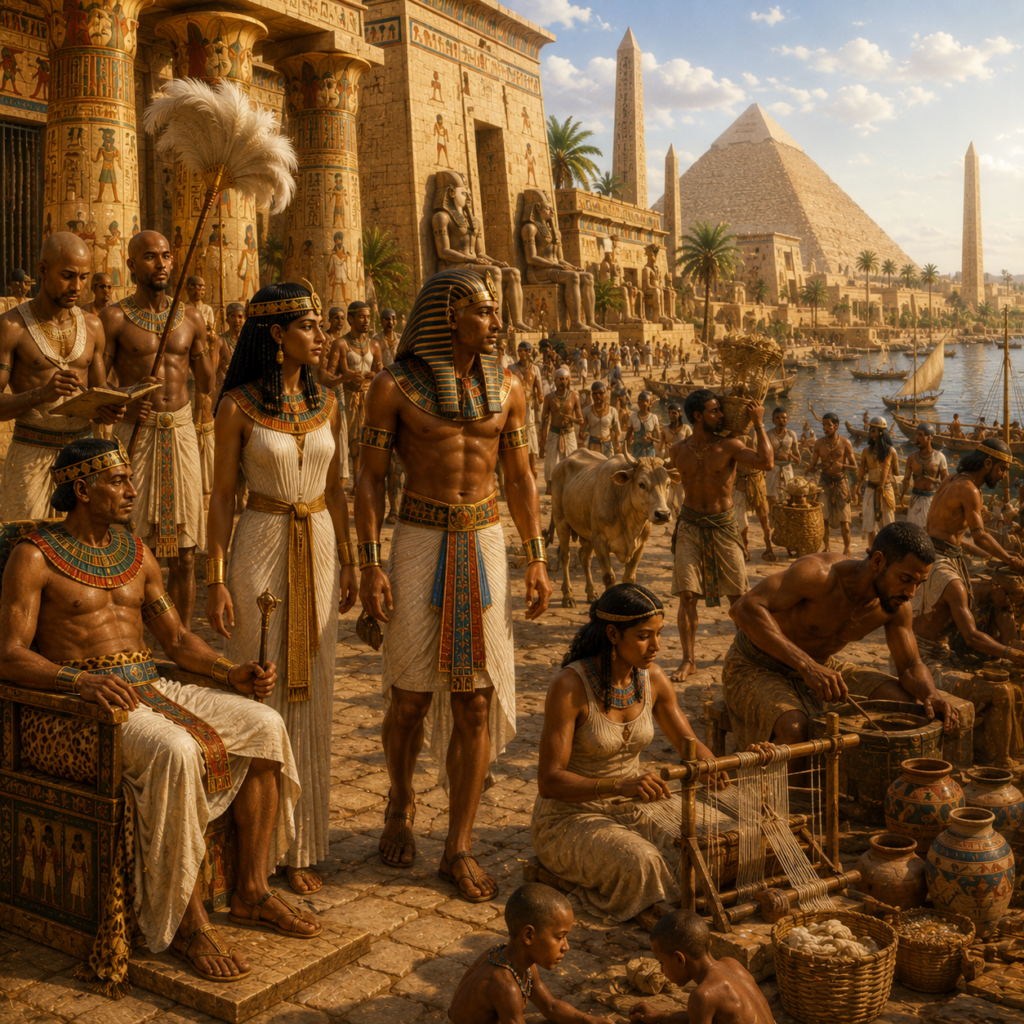
Egyptian Society
Discover the people, traditions, and social structure that shaped ancient Egyptian civilization
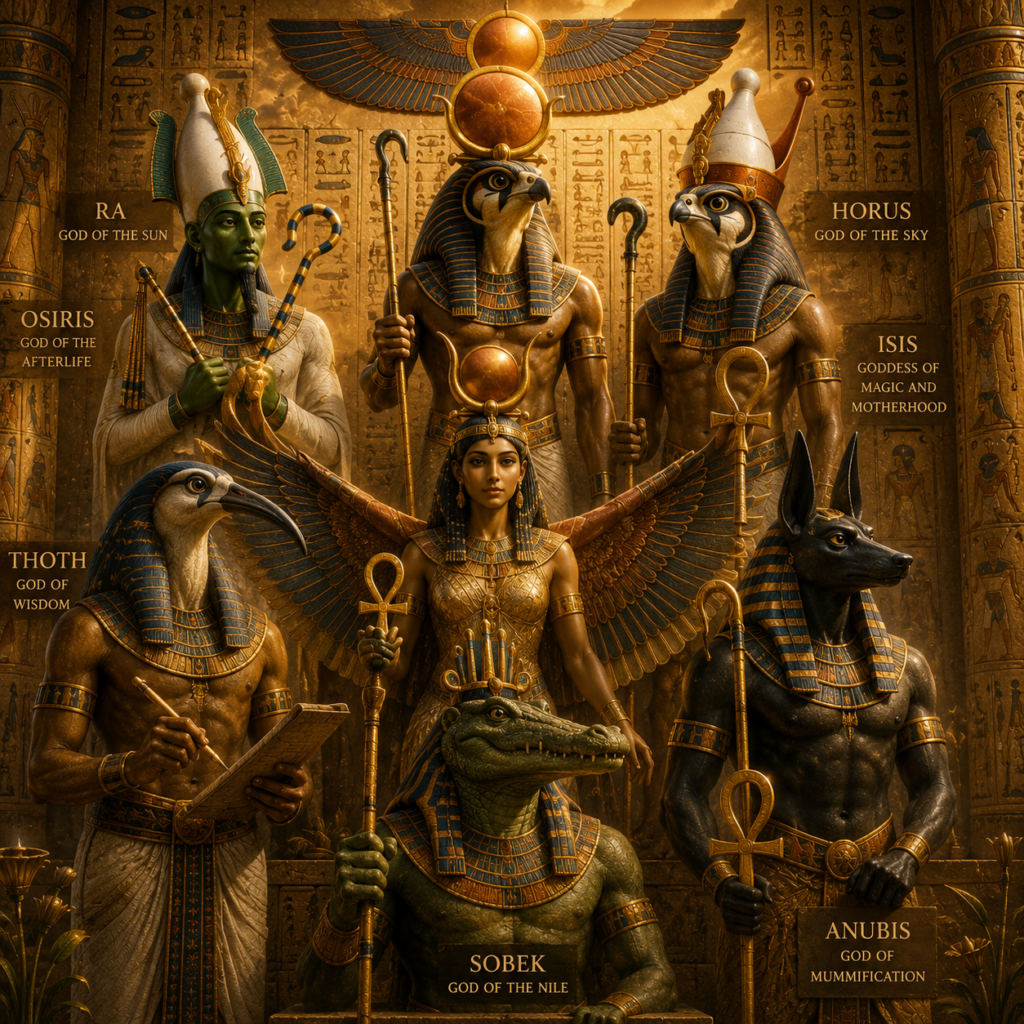
Egyptian Gods
Meet the legendary deities who guided Egypt’s rulers and protected its people
Main Topics
👑 Pharaohs and Government
- Pharaohs
- Dynasties
- Royal authority
🏛️ Religion and Mythology
- Egyptian gods
- Temples
- Sacred beliefs
🏜️ Cities and Monuments
- Memphis
- Thebes
- Alexandria
🌾 Society and Economy
- Agriculture
- Trade
- Daily life
Related Topics
- Mesopotamia
- Persian Civilization
- Assyrian Civilization
- Babylonian Civilization
Where Was Ancient Egypt Located?
Ancient Egypt developed in northeastern Africa along the:
Nile River
The Nile provided fertile soil, fresh water, transportation routes, and reliable agricultural conditions.
Each year, seasonal flooding deposited nutrient-rich sediments that supported farming and population growth.
The river became the foundation of Egyptian civilization and influenced nearly every aspect of Egyptian life.
The Origins of Egyptian Civilization
The earliest Egyptian communities emerged thousands of years before the construction of the pyramids.
Over time, smaller settlements united into larger political entities.
Traditionally, the unification of Upper and Lower Egypt is associated with Narmer:
who is often regarded as one of Egypt’s earliest rulers.
This process laid the foundations for one of history’s most enduring civilizations.
The Pharaohs of Egypt
The rulers of ancient Egypt were known as Pharaohs:
Pharaohs served not only as political leaders but also as religious figures responsible for maintaining harmony between the human and divine worlds.
Many pharaohs became legendary for their achievements, including:
- Khufu
- Hatshepsut
- Akhenaten
- Tutankhamun
- Ramses II
Their reigns shaped Egyptian history across multiple dynasties.
Religion and the Gods of Egypt
Religion influenced every aspect of Egyptian civilization.
The Egyptians believed in a complex world inhabited by powerful gods and goddesses who governed natural forces and human destiny.
Among the most important deities were:
- Ra
- Osiris
- Isis
- Horus
- Anubis
Temples, rituals, and festivals formed an essential part of Egyptian life.
Pyramids and Monumental Architecture
Ancient Egypt is famous for its monumental architecture.
The most recognizable structures include:
- the Pyramids of Giza
- the Sphinx
- the temples of Karnak
- the temples of Luxor
These projects required advanced engineering, skilled labor, and centralized organization.
Many survive today as symbols of Egyptian achievement.
Egyptian Cities
Ancient Egypt contained many important urban centers.
Some of the most influential included:
Memphis
One of Egypt’s earliest capitals.
Thebes
Religious and political center during the New Kingdom.
Alexandria
A major center of learning during later periods.
These cities played vital roles in administration, religion, and trade.
Egyptian Society
Egyptian society was highly organized.
Major social groups included:
- pharaohs
- nobles
- priests
- scribes
- craftsmen
- merchants
- farmers
Although social status influenced opportunities, each group contributed to the functioning of Egyptian civilization.
Family, religion, and community life formed the foundation of society.
The Egyptian Economy
The Egyptian economy relied heavily on agriculture.
The annual flooding of the Nile supported the cultivation of:
- wheat
- barley
- flax
Trade also connected Egypt with neighboring regions across Africa, the Mediterranean, and the Near East.
Economic prosperity enabled the construction of monuments and supported state institutions.
Writing and Knowledge
One of Egypt’s greatest achievements was the development of:
Hieroglyphics
This writing system was used for religious texts, official records, monuments, and literature.
Egyptian scribes played an essential role in administration and preserving knowledge.
Written records provide much of what historians know about ancient Egypt today.
Why Was Ancient Egypt Important?
Ancient Egypt made lasting contributions to world civilization.
Its achievements include:
- monumental architecture
- mathematics
- medicine
- writing
- administration
- religious thought
Egyptian culture influenced neighboring societies and continues to inspire people thousands of years later.
Few civilizations have left such a profound historical legacy.
Ancient Egyptian Civilization at a Glance
| Aspect | Details |
|---|---|
| Region | Nile Valley |
| Main River | Nile |
| Rulers | Pharaohs |
| Religion | Polytheistic |
| Famous Monuments | Pyramids, temples, Sphinx |
| Writing System | Hieroglyphics |
| Legacy | Architecture, religion, culture |
Frequently Asked Questions
What was Ancient Egyptian civilization?
Ancient Egyptian civilization was a culture that flourished along the Nile River for more than three thousand years.
Why was the Nile important?
The Nile provided water, fertile soil, transportation, and resources necessary for agriculture and settlement.
Who were the pharaohs?
Pharaohs were the rulers of ancient Egypt and were considered both political and religious leaders.
What religion did the Egyptians follow?
Ancient Egyptians practiced a polytheistic religion centered on numerous gods and goddesses.
Why is Ancient Egypt famous?
Egypt is famous for its pyramids, pharaohs, temples, hieroglyphics, and long-lasting cultural influence.
Further Reading
- Encyclopaedia Britannica – Ancient Egypt
- World History Encyclopedia – Ancient Egypt
- The British Museum – Egypt Collection
- The Metropolitan Museum of Art – Egyptian Art Collection
- The Griffith Institute – University of Oxford
- UNESCO World Heritage Centre – Ancient Thebes with its Necropolis
Related Topics
- Egyptian Pharaohs
- Egyptian Gods
- Egyptian Religion
- Egyptian Mythology
- Egyptian Cities
- Egyptian Society
- Egyptian Economy
- Tutankhamun
- Ramses II
- Nile River