Ancient Persian civilization was the cultural, linguistic, and societal matrix that emerged on the Iranian plateau during the first millennium BCE, synthesizing indigenous Elamite traditions with Indo-Iranian pastoralist migrations. Rather than existing merely as a temporary military empire, Persian civilization established an enduring civilizational identity defined by Old Iranian linguistic cohesion, strict ethical dualism centered on cosmic truth (Arta), a patriarchal clan-and-tribe social hierarchy (vith, zantu, dahyu), and a monumental administrative ethos. This cultural framework unified diverse Near Eastern populations under a single cosmopolitan worldview, surviving the collapse of individual dynasties and exerting a lasting influence on Mediterranean, Central Asian, and Islamic civilizations for millennia.
Explore Persian Civilization
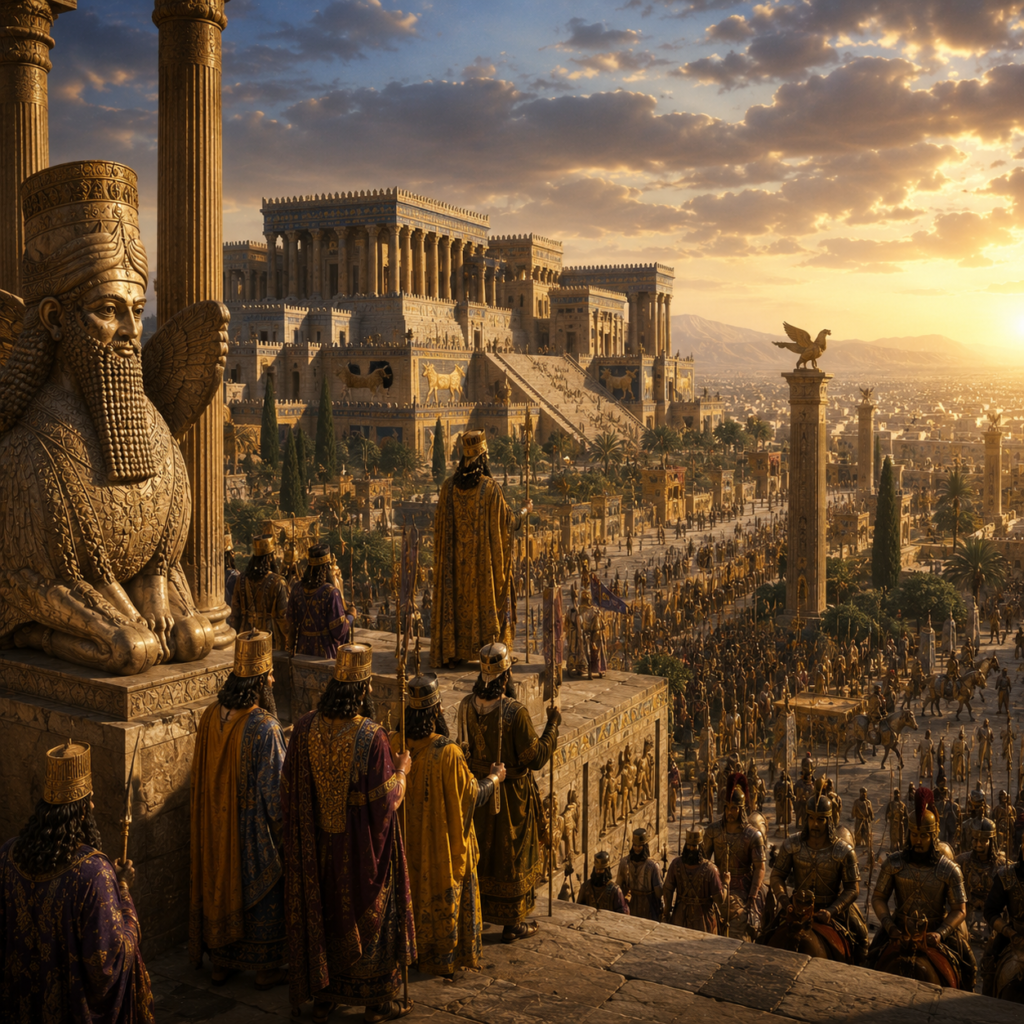
Persian Empire
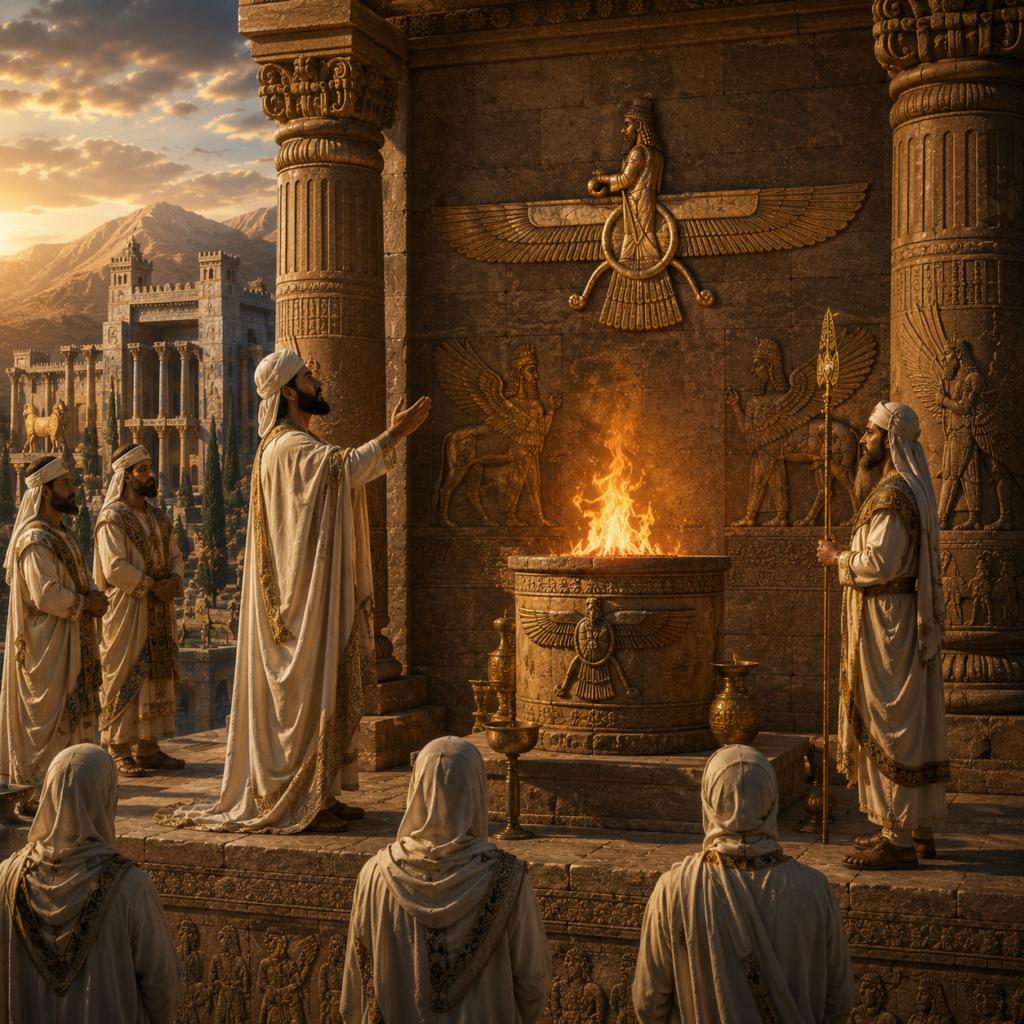
Persian Religion
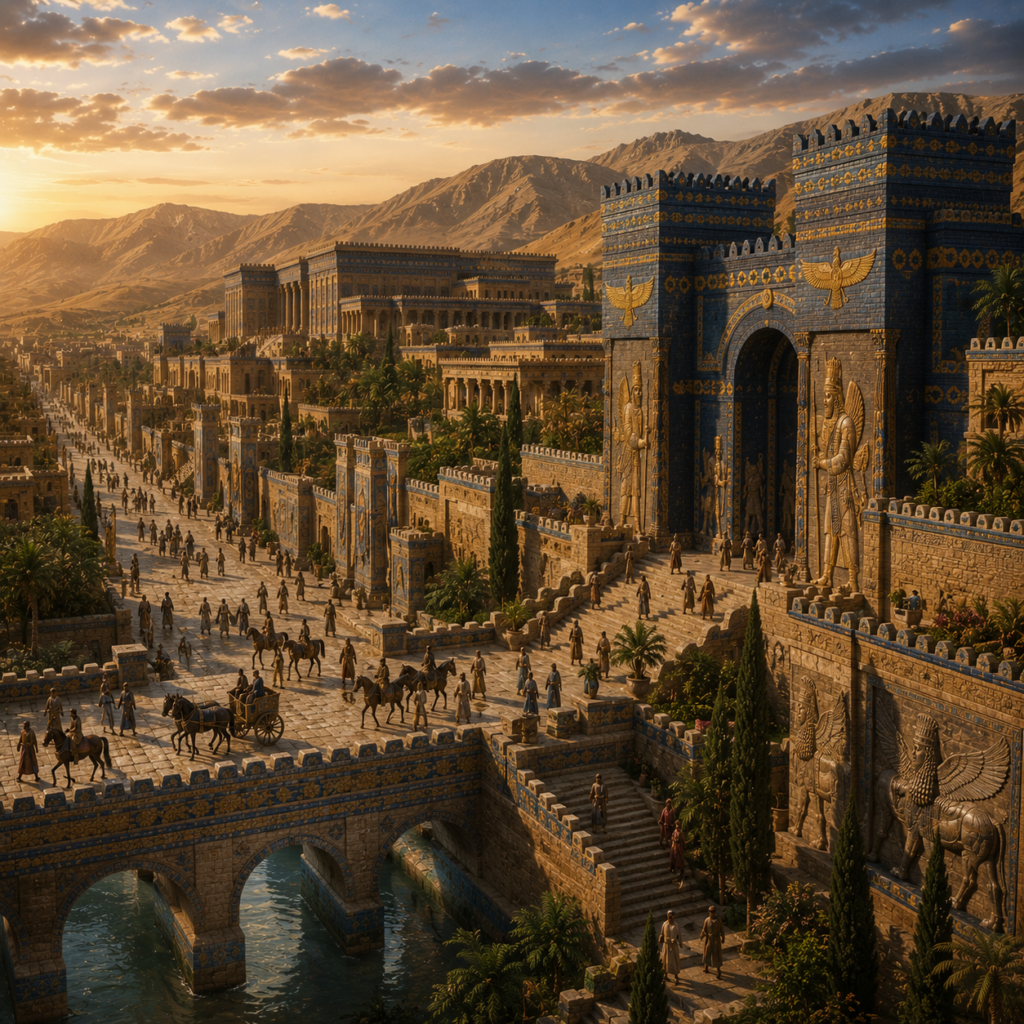
Persian Cities
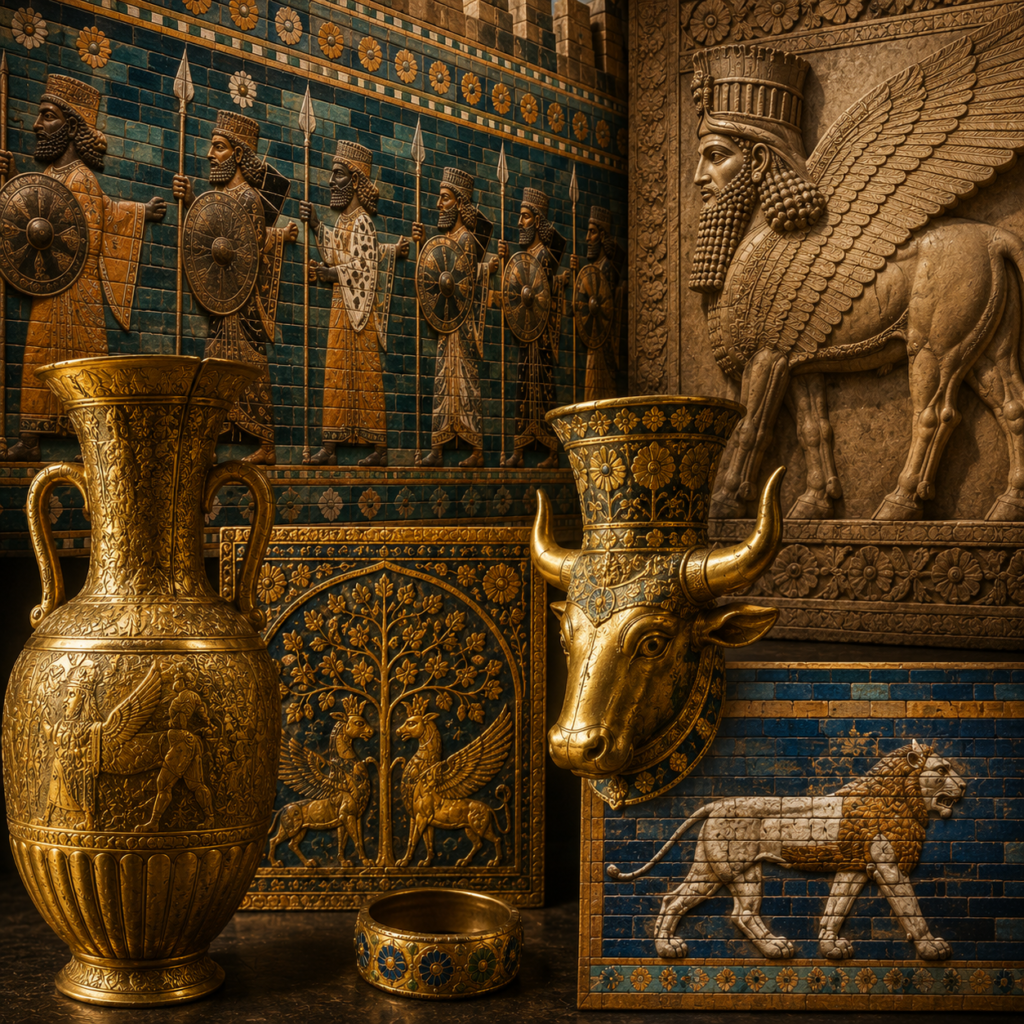
Persian Art
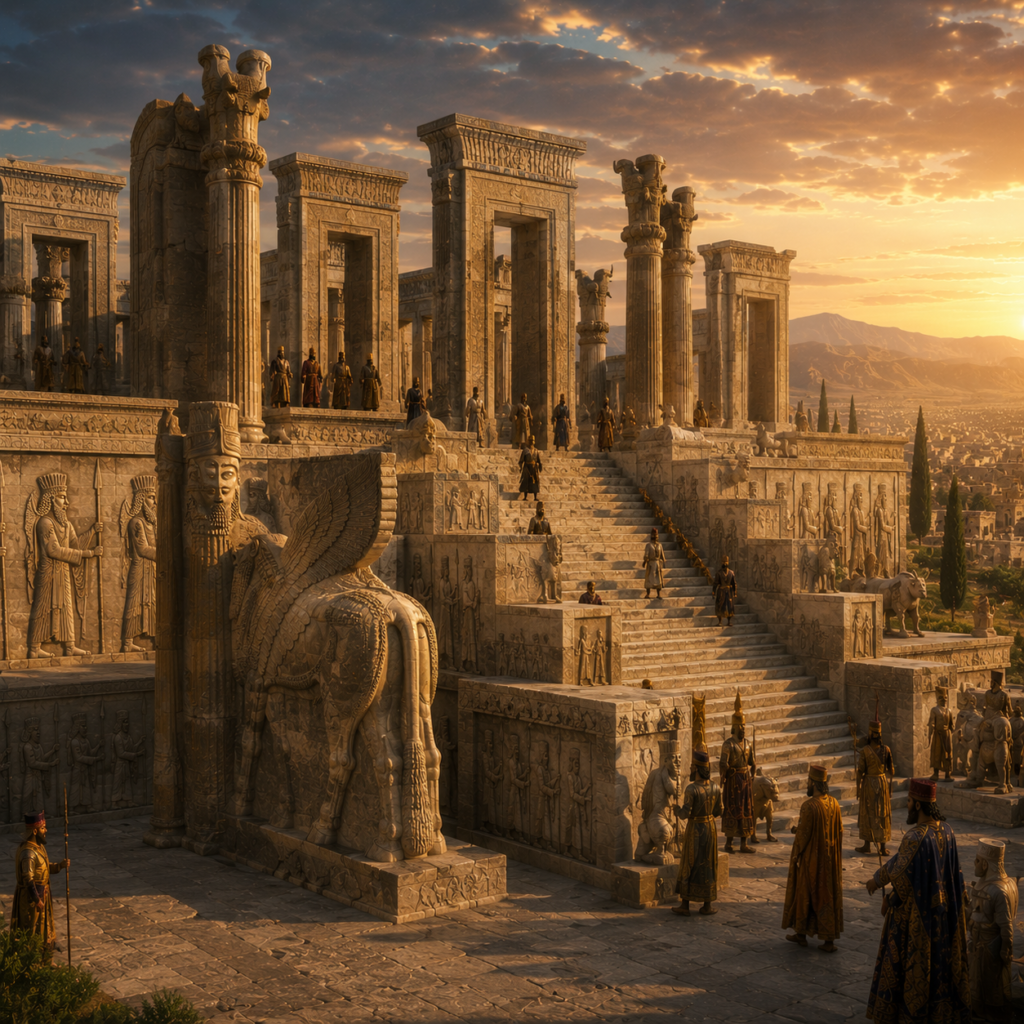
Persepolis
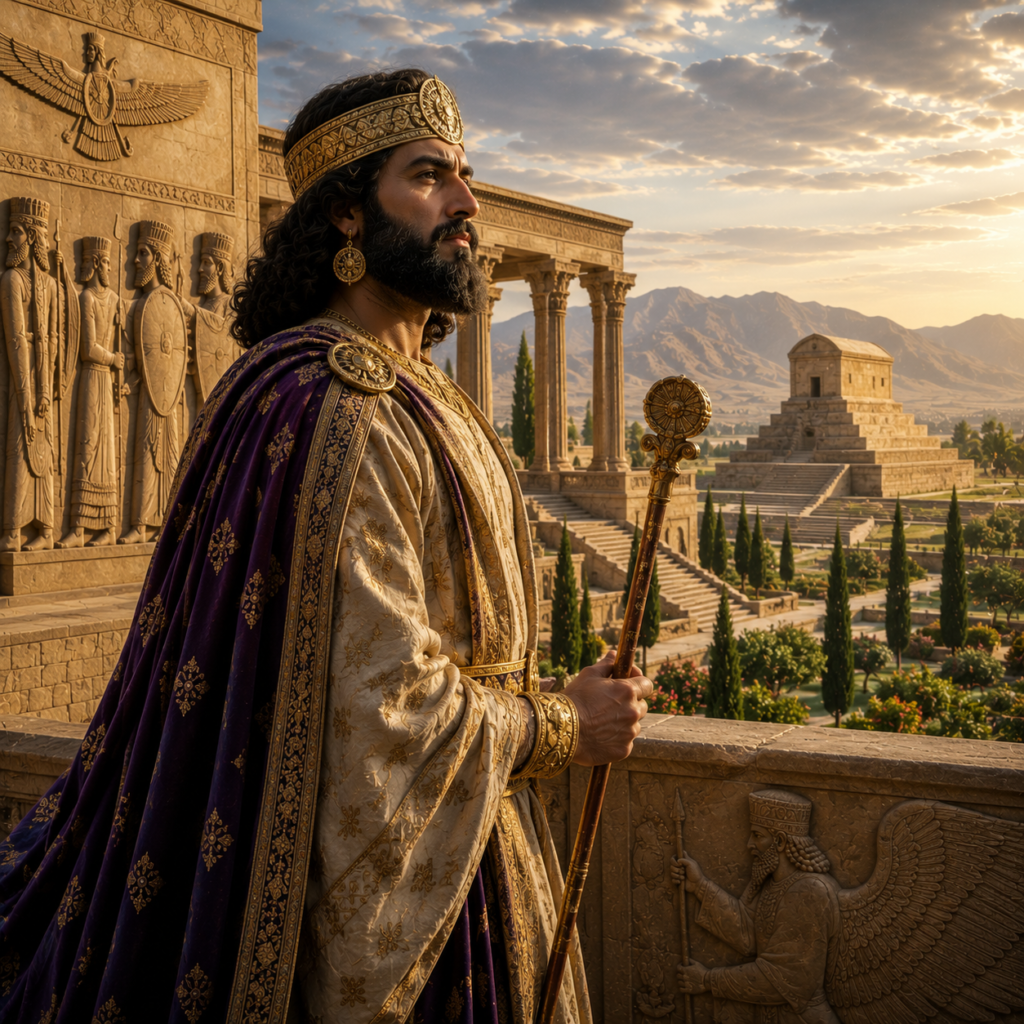
Xerxes I
Chronological Overview: The Multi-Millennial Continuum of Persian Civilization
| Epoch & Approximate Dates | Cultural & Civilizational Phase | Core Archaeological Sites | Defining Socio-Cultural Breakthroughs |
| Proto-Iranian Genesis (c. 2000–1000 BCE) | Indo-Iranian Migrations & Elamite Contact | Tepe Sialk, Hasanlu, Anshan (Tal-e Malyan) | Gradual movement of Iranian-speaking pastoralist groups across the plateau; cultural assimilation with urban Elamite administrative and metallurgical traditions. |
| Formative Tribal Era (c. 1000–550 BCE) | Median-Persian Tribal Crystallization | Ecbatana (Hamadan), Tepe Nush-i Jan, Godin Tepe | Transition from pastoral nomadism to settled feudal chiefdoms; development of Iranian cavalry traditions, early Zoroastrian liturgical practices, and fire temple architecture. |
| The Classical Zenith (c. 550–330 BCE) | The Achaemenid Cosmopolitan Synthesis | Pasargadae, Susa, Persepolis (Pārsa), Naqsh-e Rostam | Codification of the Old Persian script; creation of the universal imperial compact; establishment of monumental multilingual chancelleries (Elamite, Aramaic, Babylonian). |
| Hellenistic Interlude & Adaptation (330–247 BCE) | Greco-Iranian Cultural Syncretism | Seleucia-on-the-Tigris, Ai-Khanoum, Susa | Preservation of Iranian legal traditions, administrative cadaster records, and regional religious sanctuaries under Seleucid dynastic rule. |
| The Classical Iranian Revival (247 BCE – 651 CE) | Parthian & Sasanian Cultural Renaissance | Ctesiphon, Bishapur, Gundeshapur, Firuzabad | Systematic compilation of the Avesta (sacred texts); codification of the four-fold Zoroastrian social order (estates); establishment of world-leading medical and philosophical academies. |
The Structural Architecture of Persian Civilization
Defining Ancient Persian Civilization: Origins, Ethnogenesis, and Cultural Continuum
The historical identity of Persian civilization is frequently conflated with either the political lifespan of the Achaemenid Empire (550–330 BCE) or generalized claims of a “7,000-year-old unbroken nation.” Academically, the ethnogenesis of the Persians represents a specific, layered fusion of Indo-Iranian pastoral migrations arriving onto the Iranian plateau during the second millennium BCE and their deep assimilation with the indigenous, highly urbanized Elamite substratum of southwestern Iran.
Proto-Indo-European Roots (Steppe Horizon)
                   ↓
   Indo-Iranian Split (c. 2000 BCE)
                   ↓
   Iranian Migration to the Plateau (c. 1500–1000 BCE)
                   ↓
   Assimilation with Elamite Urban & Scribal Culture (Anshan / Susa)
                   ↓
   Distinct Persian Ethnogenesis & Old Persian Identity (c. 700–550 BCE)
The 7,000-Year Civilization Debate: Archaeological Reality vs. Romantic Myth
Popular media often asserts that Persian civilization is 7,000 years old. Archaeological stratigraphy at sites like Tepe Sialk, Chogha Mish, and Tappeh Zagheh does indeed demonstrate advanced sedentary agriculture, metallurgy, and proto-urban pottery traditions dating back to the 5th and 6th millennia BCE.
However, historiography makes a vital scientific distinction:
- Pre-Iranian Neolithic & Chalcolithic Cultures: The prehistoric inhabitants of the plateau were non-Indo-European peoples who laid the agricultural and technological foundations of the region.
- The Elamite Factor: The Elamites (speaking an unclassified isolate language) developed a literate, urban civilization in Khuzestan and Fars from c. 3200 BCE, building monumental ziggurats (such as Chogha Zanbil) and complex legal systems.
- The Emergence of the “Persians” (Pārsa): The specific Iranian ethno-linguistic group known as the Persians did not emerge as a distinct historical and political entity until their settlement in the region of Fars (the ancient kingdom of Anshan) around the 9th to 7th centuries BCE, attested in Neo-Assyrian annals of Shalmaneser III (mentioning the Parsua in 844 BCE).
Persian civilization, therefore, was not born in a vacuum; it was the direct heir and synthesizer of millennia of Elamite administrative literacy, Mesopotamian royal iconography, and mobile Iranian pastoral resilience.
The Societal Fabric: Tribal Lineages, Feudal Tiers, and Daily Life in Ancient Iran
At its core, Persian society was structured around deeply entrenched patriarchal concentric circles. Even as the Persians came to rule urban centers from the Nile to the Indus, an individual’s legal status, moral obligations, and military duties were governed by their position within the ancestral kinship hierarchy.
       ┌─────────────────────────────────────────────────────────────┐
       │             OLD IRANIAN SOCIAL CONCENTRIC CIRCLES           │
       ├─────────────────────────────────────────────────────────────┤
       │ 1. NMĀNA  ➔ The Patriarchal Household / Family Unit         │
       │ 2. VĪS    ➔ The Village / Clan Lineage                      │
       │ 3. ZANTU  ➔ The Regional Tribe                              │
       │ 4. DAHYU  ➔ The Country / Nation / Imperial Province        │
       └─────────────────────────────────────────────────────────────┘
The Tribal Aristocracy and the Seven Great Houses
Herodotus (Histories 1.125) recorded that the Persian people were divided into distinct tribal confederations:
- The Noble & Leading Tribes: The Pasargadae (from which the royal Achaemenid clan sprang), the Maraphii, and the Maspii.
- The Agricultural & Settled Tribes: The Panthialaei, Derusiaei, and Germanii, who formed the backbone of regional grain, date, and horse production.
- The Pastoral & Nomadic Tribes: The Dai, Mardi, Dropici, and Sagartians, specialized in horse breeding, long-distance scouting, and mounted archery.
At the apex of imperial society stood the Seven Great Persian Houses (formalized after Darius I and six co-conspirators overthrew the usurper Bardiya/Gaumata in 522 BCE). These aristocratic dynasties (including the houses of Hydarnes, Megabyzus, and Gobryas) held hereditary estates, commanded royal armies, and had the exclusive right to intermarry with the royal family.
| Social Tier / Estate | Old Persian / Iranian Term | Economic & Functional Role in Society |
| The Royal House & Magnates | Xšāyaθiya & Azāta | Imperial rule, command of satrapal armies, and ownership of colossal agricultural paradeisoi. |
| Priestly & Ritual Elite | Magi (Magu-) | Custodians of sacred fire rituals, divinatory dream interpretation, royal coronation ceremonies, and education of young princes. |
| The Warrior Class | Kāra / Spāda | Free landholding citizen-soldiers providing infantry spearmen and heavy cavalry to the imperial host. |
| State Dependent Artisans | Kurtaš | Skilled stonecutters, sculptors, metalworkers, and weavers receiving regulated state rations and maternity allowances. |
| Rural Peasantry & Herders | Vāstryōšan | Subsistence farming, canal and qanat excavation, seasonal livestock pasturage, and local market trade. |
Daily Life, Childhood, and Aristocratic Education
Daily life in ancient Persia was shaped by rigorous physical discipline, community solidarity, and strict ethical training centered on cosmic truth.
[Age 0–5: Raised in Harem/Family Quarters] ➔ [Age 5–20: Royal & Military Academy] ➔ [Age 20–50: Active Military Service] ➔ [Age 50+: Elder Council & Civic Administration]
Dress and Identity: The Persians adopted the Median tunic and trousers (anaxyrides) made of wool or leather—ideal for horsemanship—complemented by felt caps (tiaras). On ceremonial occasions, the elite donned flowing, pleated robes of purple and saffron silk imported from the eastern trade routes, adorning their necks, wrists, and ears with massive gold torcs and gem-encrusted jewelry.
The Educational Creed: As famously recounted by Greek observers, young Persian nobles from age five to twenty were instructed in only three foundational disciplines: to ride a horse, to shoot with the bow, and to speak the truth (Arta). Physical stamina was cultivated through dawn endurance runs, survival training in extreme highland climates, and competitive hunting in royal preserves.
Dietary Culture and Social Feasting: The daily diet of ordinary Persians consisted of barley flatbreads, goat cheese, dried figs, dates, onions, and diluted wine or beer. In contrast, elite social life revolved around elaborate banquets (symposia) featuring roasted game (gazelle, wild boar, onager), saffron-infused delicacies, and heavy consumption of wine served in finely chased silver and gold rhytons. Important political matters were famously deliberated twice: once while drinking, and once while sober.
Cosmological Foundations: Dualism, Truth (Arta), and the Iranian Worldview
The civilizational ethos of ancient Persia cannot be understood through political conquest alone; it was anchored in a profound moral cosmology. Long before the codification of theological dogma in later periods, the peoples of the Iranian plateau interpreted the universe through an ongoing cosmic tension between two opposing forces: Arta (Old Persian Aša in the Avestan language, representing cosmic order, truth, and righteousness) and Drauga (Avestan Druj, the Lie, chaos, and deceit).
          THE COSMIC DIVIDE IN ACHAEMENID THOUGHT

       AHURAMAZDA (The Wise Lord)
                  │
                  ▼
       ARTA / AŠA (Truth, Cosmic Order, Harmony)
       ▲                                       ▲
       │                                       │
[The Just King: Upholder of Order]    [The Moral Subject: Speaks the Truth]
────────────────── VS ──────────────────
[Rebellion & Treason]                 [Moral Corruption: The Deceiver]
       │                                       │
       ▼                                       ▼
       DRAUGA / DRUJ (The Lie, Deceit, Chaos)
                  ▲
                  │
       AHRIMAN / ANGRA MAINYU (The Hostile Spirit)
The Royal Epigraphic Ideology: Ahuramazda and the Mandate of Truth
Unlike Mesopotamian monarchs who claimed to be literal living gods (such as Naram-Sin) or Egyptian Pharaohs who ruled as divine incarnations, the Persian ruler (Xšāyaθiya) was fundamentally human. The king ruled by the express grace (vašnā) of the supreme deity, Ahuramazda (“The Wise Lord”), acting not as a god, but as the supreme earthly custodian tasked with protecting creation from the corrupting influence of the Lie.
This ethical paradigm appears explicitly across royal trilingual inscriptions (Old Persian, Elamite, and Babylonian). In the monumental Behistun Inscription (DB IV 36–40), Darius I attributes all regional revolts directly to cosmic falsehood:
“King Darius says: These are the provinces which became rebellious. The Lie (Drauga) made them rebellious, so that these men deceived the people. Afterwards Ahuramazda put them into my hand… Thou who shalt be king hereafter, protect thyself vigorously from the Lie; the man who shall be a follower of the Lie, him punish well.”
On his tomb facade at Naqsh-e Rostam (DNb 5–15), Darius articulates an ancient Persian code of personal judicial restraint and intellectual equilibrium:
“By the favor of Ahuramazda, I am of such a sort that I am a friend to what is right, I am no friend to what is wrong. It is not my desire that the weak man should have wrong done to him by the strong, nor is it my desire that the strong man should have wrong done to him by the weak. What is right, that is my desire. I am not a friend to the man who is a follower of the Lie.”
The Ritual Elite: The Magi and the Sacred Elements
The preservation of cosmic order (Arta) required continuous ritual maintenance. This duty fell to the Magi (Magu-), an ancient Median priestly caste that integrated traditional Iranian nature veneration with emerging Zoroastrian liturgy:
- Purity of Creation: Persian religious thought held deep reverence for the sacred natural elements created by Ahuramazda—specifically Fire (Ātar), Water (Ābān), and Earth (Zām).
- The Ritual Fire: Fire was never worshipped as an independent idol; rather, it served as the living, radiant symbol of divine truth, illumination, and spiritual purification. Sacred eternal flames were maintained within open-air stone fire altars (attested at Pasargadae and Naqsh-e Rostam) and shielded from pollution by human breath through specialized mouth veils (padām).
- Funerary Customs and Environmental Preservation: To avoid contaminating the sacred earth with decaying organic matter, the early aristocracy utilized rock-cut tombs carved high into living cliff faces (such as Naqsh-e Rostam) with sealed stone sarcophagi, while traditional nomadic communities practiced exposure (dokhma-nashini), allowing solar rays and carrion birds to clean the bones.
The Core Pillars of Ancient Iranian Civilizational Achievement
Ancient Persian civilization achieved its historical longevity by distributing its cultural and structural power across specialized, interconnected institutional domains. Explore the primary pillars that defined the realm:
                          ┌────────────────────────┐
                          │  PERSIAN CIVILIZATION  │
                          └───────────┬────────────┘
         ┌──────────────────┬─────────┴─────────┬──────────────────┐
         ▼                  ▼                   ▼                  ▼
┌─────────────────┐┌─────────────────┐┌─────────────────┐┌─────────────────┐
│   THE EMPIRE    ││  ARCHITECTURE   ││ URBAN NETWORK   ││   THE ARTS      │
│ Hegemony, State ││ Apadanas, Stone ││ Susa, Babylon,  ││ Gold Rhytons,   │
│ & Royal Roads   ││ & Garden Estates││ Polycentric Hubs││ Narrative Relief│
└─────────────────┘└─────────────────┘└─────────────────┘└─────────────────┘
1. Imperial Governance and Multi-Continental Statecraft
The administrative capacity to govern over forty million diverse subjects without imposing cultural homogeneity transformed the ancient Near East. Through the balance of central royal decrees and provincial satrapal administration, the crown maintained stability across an unprecedented territorial expanse.
2. Monumental Engineering and Columnar Spaces
Persian builders synthesized Ionian, Babylonian, and Egyptian masonry into an architectural tradition characterized by elevated terraces, slender fluted columns, and quadripartite walled gardens (Pairidaēza).
3. The Polycentric Urban System
Rejecting the concept of a single isolated metropolis, ancient Persian civilization developed a mobile, seasonal capital network that linked lowland administrative chancelleries with highland ceremonial platforms.
4. Aesthetics, Narrative Relief, and Luxury Metallurgy
The visual culture of the empire rejected depictions of graphic battlefield slaughter, choosing instead to celebrate the dignified harmony of subject nations bringing regional tribute, executed through low-relief stone carving and master goldsmithing.
Cultural Synthesis: The Assimilation and Reinterpretation of Near Eastern Heritage
The defining genius of Persian civilization lay not in the forced imposition of cultural uniformity, but in its capacity for selective assimilation, structural adaptation, and aesthetic synthesis. Rather than obliterating the millennia-old institutional knowledge of conquered territories, Persian administrators actively co-opted the scribal traditions, legal codes, and artisanal techniques of Mesopotamia, the Levant, Egypt, and the Aegean.
       ┌─────────────────────────────────────────────────────────────┐
       │             THE ACHAEMENID SYNCRETIC APPARATUS              │
       ├─────────────────────────────────────────────────────────────┤
       │ • LINGUISTIC: Imperial Aramaic (Diplomatic Lingua Franca)   │
       │ • ADMINISTRATIVE: Elamite Cuneiform (Chancellery Accounting)│
       │ • RELIGIOUS: Royal Patronage of Local Sanctuaries & Cults   │
       │ • ARCHITECTURAL: Ionian Fluting + Egyptian Cornices         │
       │ • ASTRONOMICAL: Babylonian Ephemerides & Mathematical Tables│
       └─────────────────────────────────────────────────────────────┘
The Multilingual Administrative Apparatus
The Persian court operated a pragmatic, multi-tiered linguistic hierarchy designed for continental governance:
- Old Persian (Ariyā): A specialized cuneiform script commissioned by Darius I, reserved almost exclusively for royal monumental inscriptions, stone cliff faces, and ideological declarations of divine kingship.
- Imperial Aramaic: Adopted as the universal diplomatic and bureaucratic lingua franca. Written in ink on light papyrus and parchment, Aramaic allowed swift communication between satrapal chancelleries from Egypt to Gandhara.
- Elamite: Preserved as the primary language for internal accounting, grain storage, and labor management at the administrative hubs of Susa and Persepolis.
- Babylonian and Egyptian Demotic: Employed for local legal contracts, judicial disputes, astronomical records, and temple management.
Religious Accommodation and Cultural Autonomy
Unlike the Neo-Assyrian or Neo-Babylonian empires, which practiced mass deportations and destroyed native cult sanctuaries to eradicate local identity, the Achaemenid crown adopted a policy of strategic cultural accommodation:
- Restoration of Sanctuaries: As recorded on the Cyrus Cylinder (539 BCE), Cyrus the Great returned displaced deities and sacred statues to their original Mesopotamian temples and funded the restoration of regional cults.
- Rebuilding the Temple in Jerusalem: Successive Persian monarchs (Cyrus, Darius I, and Artaxerxes I) financed the return of Judean exiles and the reconstruction of the Second Temple in Jerusalem, documented in the biblical books of Ezra and Nehemiah.
- Pharaonic Integration in Egypt: Persian rulers adopted official Pharaonic royal titulature, patronized the sacred Apis Bull cult in Memphis, and funded the completion of the precursor to the Suez Canal (the Darius Canal linking the Nile to the Red Sea).
The Enduring Continuum: How Iranian Cultural Identity Transcended Imperial Falls
When Alexander of Macedon burned the royal palaces of Persepolis in 330 BCE, the political structure of the Achaemenid dynasty collapsed, but Persian civilization did not perish. Instead, the Iranian cultural matrix demonstrated an extraordinary resilience, undergoing successive revivals that shaped global history for another two millennia.
Achaemenid Cultural Genesis (c. 550–330 BCE)
                   ↓
   Hellenistic Syncretism (Seleucid Rule, 312–247 BCE)
                   ↓
   The Parthian Imperial Renaissance (247 BCE – 224 CE)
                   ↓
   The Sasanian Classical Golden Age (224–651 CE)
                   ↓
   The "Persianate" World & Islamic Golden Age (8th–15th Century CE)
| Historical Epoch | Successor Dynasty | Preservation and Evolution of Persian Civilizational Heritage |
| The Parthian Era (247 BCE – 224 CE) | Arsacid Empire | Revived ancient Iranian cavalry traditions, preserved heroic oral epics (Gōsān), and re-established Zoroastrian fire sanctuaries while dominating the Silk Road trade. |
| The Classical Sasanian Zenith (224–651 CE) | Sasanian Empire | Codified the sacred Avesta, institutionalized the four-tiered societal hierarchy, created the monumental rock reliefs of Taq-e Bostan, and founded the Academy of Gundeshapur (the intellectual and medical capital of the late antique world). |
| The Islamic Golden Age (750–1258 CE+) | Abbasid Caliphate & Persian Dynasties | Persian administrative structures, court etiquette, and poetic traditions transformed the Islamic world; scholars like Ibn Sina (Avicenna), Al-Biruni, and Ferdowsi (Shahnameh) ensured the survival of the Persian language and intellectual hegemony. |
Key Takeaways: Defining Traits of Ancient Persian Civilization
- Cultural Continuum vs. Political Empire: Persian civilization represents a multi-millennial cultural matrix originating from the fusion of Indo-Iranian migrations and the urban Elamite substratum, outlasting the rise and fall of specific royal dynasties.
- Ethical Cosmology (Arta vs. Drauga): Society and royal ideology were anchored in cosmic dualism, demanding adherence to Truth, cosmic order, and the rejection of the Lie.
- Concentric Social Structure: Social organization was rooted in kinship tiers—the household (nmāna), clan (vīs), tribe (zantu), and nation (dahyu)—supported by an aristocratic warrior elite and state-compensated artisans (kurtaš).
- Pragmatic Imperial Model: The civilization pioneered an administrative system that respected local laws, languages, and religions, avoiding the destructive cultural erasure common to earlier Near Eastern autocracies.
- Multilingual Literacy: Statecraft utilized Old Persian for monumental royal ideology, Imperial Aramaic for continental diplomacy, and Elamite for municipal economic ledgers.
- Enduring Intellectual Legacy: Persian architectural concepts, hydraulic engineering (qanats), administrative zoning, and literary traditions formed the bedrock of the Hellenistic, Sasanian, and classical Islamic worlds.
Frequently Asked Questions About Ancient Persian Civilization
Is Persia the oldest civilization in the world?
No. While agricultural and proto-urban communities on the Iranian plateau (such as Tepe Sialk and Chogha Mish) date back to the 6th millennium BCE, the earliest literate civilizations in world history emerged in Sumer (Mesopotamia) and Ancient Egypt around 3500–3100 BCE. The specific Iranian ethno-linguistic group known as the Persians crystallized into a distinct political civilization around the 9th to 6th centuries BCE.
Is Persian civilization 7,000 years old?
Popular claims that Persian civilization is “7,000 years old” conflate prehistoric Neolithic cultures of the Iranian plateau with the historical Persian people. While continuous human settlement, advanced pottery, and early metallurgy existed in modern Iran for over 7,000 years, the Indo-Iranian migrations and the emergence of Old Persian culture occurred during the 2nd and 1st millennia BCE.
What ethnicity were the ancient Persians?
The ancient Persians were an Indo-European people belonging to the Iranian branch of the Indo-Iranian linguistic family. They migrated onto the Iranian plateau from Central Asian steppe horizons during the second millennium BCE, settling in southwestern Iran (modern Fars Province) and intermarrying with the indigenous Elamite population.
Were the ancient Persians Muslims?
No. The ancient Persians lived centuries before the emergence of Islam. Their religious and philosophical life was centered around ancient Iranian polytheism and early Zoroastrianism, with supreme devotion directed toward Ahuramazda and the preservation of cosmic truth (Arta). Islam was introduced to the Iranian plateau following the Arab-Muslim conquest of the Sasanian Empire in the 7th century CE (c. 633–651 CE).
What was the social structure of ancient Persia?
Persian society was organized hierarchically:
- The Royal House and Aristocratic Magnates (Azāta): The King of Kings, royal family, and the Seven Great Persian Houses.
- The Priestly Elite (Magi): Custodians of sacred fire rituals, divinations, and state ceremonies.
- The Military Warrior Class (Kāra): Free landowning soldiers, elite cavalry, and infantry spearmen.
- State Artisans and Craftsmen (Kurtaš): Skilled multi-ethnic workforces receiving standardized state rations and maternity benefits.
- The Rural Peasantry (Vāstryōšan): Farmers, irrigators, and pastoral herders working regional estates.
Academic References and Further Reading
- Encyclopaedia Iranica – Achaemenid Dynastic History and Iranian Civilization
- The Oriental Institute of the University of Chicago – Persepolis Fortification Archive
- The British Museum – Department of the Middle East: Ancient Iran and Mesopotamia
- The Getty Museum – Persia: Ancient Iran and the Classical World
- UNESCO World Heritage Centre – The Cultural Landscape of Maymand and Pasargadae