What Was Babylonian Religion?
Babylonian religion was a polytheistic religious system of ancient Mesopotamia centered on the worship of many gods and goddesses, temples, rituals, festivals, and divination. Its traditions developed from earlier Sumerian and Akkadian beliefs and evolved as Babylon became a major political power. The Babylonian pantheon included Marduk, Ishtar, Ea, Shamash, Sin, and Adad, while myths such as the Enuma Elish explained the creation of the cosmos and the role of the gods. Religious life was closely connected to Babylonian society and kingship, with priests performing rituals, interpreting omens, maintaining temples, and seeking divine favor for the community.
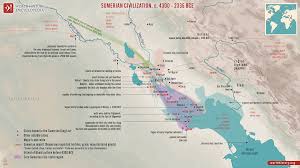
Babylonian religion changed over many centuries. As Babylon rose to political prominence, Marduk, originally a local deity of Babylon, became the chief god and was associated with the city’s political supremacy. The Enuma Elish presents Marduk’s victory over Tiamat and his establishment of cosmic order, reinforcing his position at the head of the pantheon.
Religion was not separate from everyday life. Temples were major religious, economic, and administrative institutions, while festivals such as Akitu, the Babylonian New Year festival, connected religious ritual with kingship and the renewal of cosmic order.
Although Babylon was conquered by Cyrus the Great in 539 BCE, Babylonian religious traditions and scholarly practices continued for centuries, particularly through temple communities, astronomical observations, and written traditions.
The History and Evolution of Babylonian Religion
Babylonian religion was not a fixed belief system that appeared suddenly with the rise of Babylon. It developed over many centuries from earlier Mesopotamian religious traditions and changed as political powers, cities, and royal dynasties rose and fell.
Its foundations were deeply connected to Sumerian religion. Many Babylonian gods, myths, and religious texts inherited traditions that had developed in southern Mesopotamia long before Babylon became a major political center. Babylonian scribes preserved, translated, and adapted earlier traditions, often changing the names and roles of deities in Akkadian-language texts.
Sumerian and Akkadian Foundations
The religious traditions inherited by Babylon were already ancient when the city became politically important.
Sumerian city-states had developed their own patron deities, temples, priesthoods, myths, and ritual traditions. As Akkadian-speaking populations became dominant in Mesopotamia, many of these religious traditions continued, although the names and roles of some gods changed.
Examples include:
| Sumerian tradition | Babylonian/Akkadian tradition |
|---|---|
| Enki | Ea |
| Inanna | Ishtar |
| Utu | Shamash |
| Nanna | Sin |
This continuity is essential for understanding Babylonian beliefs. Babylonian religion was not an isolated system but part of a much older Mesopotamian religious tradition.
Cuneiform tablets allowed scribes to preserve earlier myths and religious knowledge while adapting them for new political and cultural circumstances.
Babylon and the Rise of Marduk
The most important transformation occurred as Babylon itself became a major political power.
Marduk was originally associated with Babylon, but his importance increased as the city expanded its political influence. Under the Old Babylonian kingdom and later Babylonian states, Marduk gradually acquired a much more prominent position within the pantheon.
This created a close relationship between political power and religious authority.
As Babylon became more powerful, its patron deity also became more important.
By later periods, Marduk was presented as the chief god of Babylon and the ruler of the gods. This development helped make Babylonian religion distinct from earlier Mesopotamian traditions while preserving many of their underlying concepts.
The Old Babylonian Period
During the period associated with Hammurabi, Babylon became one of the leading political powers of Mesopotamia.
The religious system reflected this transformation.
Marduk’s growing importance paralleled the expansion of Babylonian royal authority, while older gods such as Ea, Shamash, Ishtar, Sin, and Adad continued to be worshipped.
Religion therefore combined continuity and change.
Babylonians did not simply abandon older gods when Marduk became more important. Instead, the existing pantheon was reorganized around the growing prestige of Babylon and its patron deity.
The Enuma Elish and Marduk’s Supremacy
One of the clearest expressions of this religious transformation appears in the Enuma Elish, the Babylonian creation epic.
The myth describes a primordial conflict involving Tiamat and the younger gods. Marduk ultimately defeats Tiamat and establishes cosmic order.
The story does more than explain the creation of the world.
It presents Marduk as a deity capable of defeating chaos and establishing a stable cosmic order. His victory therefore provides a mythological explanation for his supremacy among the gods.
The Enuma Elish was particularly important to Babylonian religious identity and was connected with the city’s religious and political ideology.
Religion During the Kassite Period
The Kassite period followed the Old Babylonian era and introduced another stage in the development of Babylonian religious traditions.
Although political authority changed, older religious institutions and traditions continued.
Temples remained important centers of worship, administration, and economic activity, while scribes continued preserving religious literature.
The long-term survival of these traditions demonstrates that Babylonian religion could absorb political change without losing its fundamental structure.
Neo-Babylonian Religion
The Neo-Babylonian period brought another major revival of Babylonian religious culture.
Under the Neo-Babylonian kings, particularly Nebuchadnezzar II, Babylon was transformed into a monumental imperial capital.
Religious architecture played a major role in this transformation.
Temples, sacred precincts, monumental gates, and processional routes reinforced Babylon’s identity as the center of a powerful kingdom.
Marduk’s position as the city’s chief deity became closely connected with Babylon’s imperial status.
This period is therefore especially important when studying Neo-Babylonian religion because political authority, monumental architecture, religious ritual, and royal ideology were closely intertwined.
Akitu and the Renewal of Cosmic Order
One of the most important Babylonian religious festivals was Akitu, the New Year festival.
The festival was celebrated during the first month of the Babylonian calendar and was associated with the renewal of the world and the continuation of divine order.
During the Neo-Babylonian period, surviving evidence describes a series of ceremonies associated with the festival.
The celebration connected:
- Marduk
- creation
- kingship
- Babylon
- cosmic order
- the renewal of society
The festival therefore had both religious and political significance. It reinforced the relationship between the king, the city, and the gods.
Babylonian Religion Under Persian Rule
Babylon was conquered by Cyrus the Great in 539 BCE, ending Babylonian political independence.
However, this did not mean that Babylonian religion immediately disappeared.
Temple institutions and religious scholarship continued under Persian rule, and Babylon remained an important center of religious and intellectual activity.
Priests and scribes continued preserving traditional texts and astronomical observations even after the political structure of the Babylonian kingdom had changed.
This is an important distinction when discussing Babylonian religion today: the ancient religious system did not simply vanish at the moment Babylon was conquered, but its institutional and cultural traditions gradually declined and transformed over subsequent centuries.
Why Babylonian Religion Changed Over Time
The evolution of Babylonian religion can be understood through several interconnected forces:
- Cultural inheritance — Babylon inherited religious traditions from Sumerian and Akkadian Mesopotamia.
- Political change — The rise of Babylon increased the importance of its patron god, Marduk.
- Royal ideology — Kings used religious traditions to legitimize their authority.
- Temple institutions — Temples preserved rituals, texts, economic activity, and religious knowledge.
- Scribal tradition — Cuneiform writing allowed older myths and beliefs to be preserved and adapted.
- Cultural exchange — Babylonian traditions interacted with neighboring Mesopotamian and Near Eastern cultures.
The result was a religious tradition that remained recognizable across centuries while continually adapting to new political and cultural circumstances.
From Ancient Tradition to Historical Legacy
The long history of Babylonian religion explains why it is better understood as an evolving tradition rather than a single unchanging set of beliefs.
Its roots reached back into the earliest urban cultures of Mesopotamia. Its traditions were reshaped as Babylon rose to power, Marduk became the dominant deity, and Babylonian kings linked religious authority with imperial rule.
Even after the conquest of Babylon, temples and scholars continued preserving elements of this intellectual and religious heritage.
For historians, this long development is one of the most fascinating aspects of ancient Babylonian religion: the beliefs of Babylon were simultaneously inherited from the distant past and continually reinvented to reflect the changing world around them.
Babylonian Gods and the Pantheon
The Babylonian pantheon included a large number of gods and goddesses, each associated with different aspects of the natural world, human society, kingship, knowledge, warfare, fertility, and the cosmos. Babylonian religion inherited many of these deities from earlier Sumerian and Akkadian traditions, but their importance and relationships changed over time.
Rather than worshipping a single supreme deity, Babylonians understood the universe as being governed by a complex divine hierarchy. Gods had different powers, personalities, temples, symbols, and areas of influence, while major cities often had their own patron deities.
Marduk: Chief God of Babylon
Marduk became the most important god in Babylonian religion.
Originally associated with the city of Babylon, Marduk’s status grew alongside Babylon’s political importance. By the first millennium BCE, he was presented as the chief deity and ruler of the gods.
His rise was particularly significant because Babylonian religious ideology connected the city’s political supremacy with the supremacy of its patron god.
In the Enuma Elish, Marduk defeats Tiamat and establishes cosmic order. The myth presents his victory as the foundation of his authority over the other gods.
Marduk was worshipped at the great temple complex of Esagila in Babylon, where his cult occupied a central position in the religious life of the city.
Ishtar: Goddess of Love and War
Ishtar was one of the most prominent goddesses in Babylonian and wider Mesopotamian religion.
Her character combined aspects that might seem contradictory to modern readers. She was associated with:
- love and sexuality
- fertility
- warfare
- political power
- beauty
- victory
This combination made Ishtar an unusually complex deity.
She was also associated with the planet Venus and had important cult centers in several Mesopotamian cities.
Her prominence demonstrates that Babylonian religion did not assign gods to narrowly defined roles. Major deities could embody several interconnected aspects of human existence.
Shamash: God of the Sun and Justice
Shamash was the Babylonian sun god and one of the principal divine authorities associated with justice.
Because the sun illuminates the world, Shamash was believed to see what happened among humans. This made him particularly appropriate as a divine guarantor of truth and justice.
Shamash was associated with:
- justice
- law
- truth
- judgment
- kingship
His importance can be seen in the Code of Hammurabi, whose famous relief depicts Hammurabi before the seated Shamash.
The connection between the king and Shamash reinforced the idea that legitimate government was connected with divine justice.
Ea: God of Wisdom and Fresh Water
Ea, known as Enki in Sumerian tradition, was associated with wisdom, fresh water, magic, and creation.
He frequently appears in Mesopotamian myths as a clever and knowledgeable deity who assists humans and other gods.
Ea’s association with the subterranean freshwater realm known as the Apsu connected him with the source of life-giving water in Mesopotamian thought.
His wisdom also made him an important figure in stories involving divine plans, magic, and the survival of humanity.
Nabu: God of Writing and Knowledge
Nabu became one of the most important gods of the later Babylonian period.
He was associated with:
- writing
- scribes
- wisdom
- scholarship
- record keeping
His importance reflected the central role of scribes in Babylonian civilization.
Nabu was also closely connected with Marduk, serving as his son in Babylonian religious tradition.
His cult center was at Borsippa, near Babylon, where the temple known as Ezida was dedicated to him.
Sin: God of the Moon
Sin, known as Nanna in Sumerian tradition, was the moon god.
The lunar cycle was important for the Mesopotamian calendar and therefore influenced the timing of religious festivals and agricultural activities.
Sin was especially associated with the cities of Ur and Harran, both major centers of his worship.
His importance illustrates how celestial observation and religion were closely connected in Babylonian culture.
Adad: God of Storms and Rain
Adad was associated with storms, thunder, rain, and agricultural fertility.
For a society dependent on agriculture and irrigation, control of water could represent both prosperity and destruction.
Rain could nourish crops, while violent storms could damage settlements and fields.
Adad therefore represented the unpredictable power of nature and was an important deity for both farmers and rulers.
Anu: God of the Heavens
Anu was the ancient Mesopotamian god associated with the heavens.
He belonged to the older generation of major Mesopotamian deities and remained an important figure in Babylonian religious tradition.
Although Marduk eventually occupied the highest position in Babylonian religious ideology, Anu continued to represent an important part of the traditional divine hierarchy.
His presence demonstrates that the Babylonian pantheon retained older religious concepts even as the relative importance of individual gods changed.
Enlil: An Ancient Divine Authority
Enlil was another major deity inherited from earlier Mesopotamian religion.
He was associated with authority, wind, and the exercise of divine power.
Enlil had once occupied an exceptionally prominent position in Mesopotamian religion. As Babylon and Marduk rose in importance, however, the religious hierarchy was increasingly interpreted through Babylonian traditions centered on Marduk.
This did not mean that Enlil disappeared. Instead, his continuing presence shows how Babylonian religion incorporated older traditions into a changing theological system.
Tiamat: Primordial Sea and Chaos
Tiamat occupies a different position from the major gods of the Babylonian pantheon.
In the Enuma Elish, she represents the primordial saltwater sea and becomes the principal opponent of Marduk.
Her conflict with the younger gods culminates in a battle against Marduk.
After defeating her, Marduk uses her body in the creation of the ordered cosmos.
Tiamat therefore plays a crucial role in Babylonian mythology as a representation of the chaotic forces that existed before the establishment of divine and cosmic order.
Kingu and the Divine Conflict
Kingu is another important figure in the Enuma Elish.
He becomes Tiamat’s champion and is given the Tablet of Destinies, a symbol of authority over the cosmos.
Marduk eventually defeats Kingu along with Tiamat’s forces.
Although Kingu was not worshipped in the same way as major Babylonian gods such as Marduk or Shamash, his role in the creation epic helps explain the theological themes of authority, rebellion, order, and kingship.
A Hierarchy of Babylonian Gods
The Babylonian pantheon was not completely static, and the relative importance of individual gods changed over time.
A simplified picture of the major divine figures is:
| Deity | Main associations | Importance in Babylonian religion |
|---|---|---|
| Marduk | Kingship, creation, cosmic order | Chief god of Babylon |
| Ishtar | Love, sexuality, fertility, warfare | Major goddess |
| Shamash | Sun, justice, law | Major divine judge |
| Ea | Wisdom, magic, fresh water | Protector and counselor |
| Nabu | Writing, scribes, knowledge | Major god of scholarship |
| Sin | Moon, calendar | Major lunar deity |
| Adad | Storms, rain, fertility | Major weather god |
| Anu | Heavens | Ancient high god |
| Enlil | Authority, wind | Major inherited Mesopotamian deity |
| Tiamat | Primordial sea, chaos | Mythological opponent of Marduk |
This table should not be interpreted as a fixed ranking that applied identically throughout Babylonian history. The Babylonian religious system evolved over many centuries, and different gods could become more or less prominent depending on the period, city, and political context.
Gods, Cities, and Temples
Babylonian religion was closely connected to individual cities.
Major urban centers often had temples dedicated to particular deities, and these temples were not simply places of worship. They could also function as economic, administrative, and cultural institutions.
Babylon was especially associated with Marduk, while other important cities had their own major cults.
This meant that the Babylonian religious landscape was both local and interconnected.
A person could recognize the authority of Marduk while still worshipping other gods and participating in local religious traditions.
The network of temples and cult centers therefore helped connect different parts of Mesopotamian society.
How the Babylonian Pantheon Changed
The most important change in the Babylonian pantheon was the growing supremacy of Marduk.
Earlier Mesopotamian traditions included powerful gods such as Anu, Enlil, and Ea. Babylonian theology did not simply erase these older figures. Instead, it incorporated them into a system in which Marduk increasingly occupied the highest position.
This process reflects a broader pattern in ancient Mesopotamian religion.
Political changes could influence religious importance. As Babylon became a dominant political center, its patron god gained greater religious prestige.
The Babylonian pantheon was therefore both a religious system and a reflection of the political and cultural history of Mesopotamia.
Why the Babylonian Gods Matter
Studying the gods of ancient Babylon provides more than a list of divine names.
The relationships between these deities reveal how Babylonians understood:
- the creation of the universe
- the forces of nature
- justice and law
- kingship
- warfare
- fertility
- knowledge
- death and destiny
- the relationship between humans and the divine
The Babylonian gods were deeply embedded in society. Their temples shaped urban life, their myths explained the cosmos, and their authority provided a religious framework for kingship and government.
For that reason, understanding the Babylonian pantheon is essential to understanding Babylonian religion, mythology, and civilization as a whole.
Babylonian Religious Beliefs and Practices
Babylonian religion shaped almost every part of life in ancient Babylonia. Religious beliefs were not separated from government, agriculture, family life, warfare, or economic activity. Babylonians believed that the gods controlled the natural and supernatural forces surrounding them and that humans had a responsibility to maintain proper relationships with the divine world.
This relationship was expressed through prayer, offerings, festivals, rituals, divination, temple worship, and funerary practices. Priests and other religious specialists performed many of these activities, while kings played an important role in major public ceremonies.
What Did the Babylonians Believe?
Babylonians believed that the universe was inhabited and controlled by numerous divine beings.
The gods were associated with different aspects of existence, including:
- the sun and moon
- storms and rain
- fertility
- war
- justice
- wisdom
- creation
- kingship
- death and destiny
The gods were considered powerful but not necessarily predictable. A successful harvest, military victory, illness, natural disaster, or political crisis could all be interpreted in relation to divine will.
This made maintaining the favor of the gods an important part of Babylonian religious life.
Babylonians did not simply believe that the gods existed. They developed elaborate systems for understanding what the gods wanted and how humans should respond.
Religious rituals therefore served an important practical purpose: they helped maintain the relationship between the human and divine worlds.
Prayer and Worship
Prayer was one of the ways individuals and communities communicated with the gods.
People could appeal to a deity for:
- protection
- health
- prosperity
- success
- forgiveness
- relief from misfortune
Prayer could take place in temples or in other religious contexts.
The exact form of worship varied depending on the deity, location, period, and circumstances. Major temples provided the institutional setting for the worship of important gods, while individuals could also maintain personal relationships with particular deities.
Prayer was therefore both a personal and communal practice.
Offerings to the Gods
Babylonians believed that gods should receive offerings.
These could include:
- food
- drink
- animals
- precious materials
- other valuable goods
Offerings were presented as part of temple rituals and festivals.
The purpose was not simply to provide food for a god in a literal human sense. Offerings formed part of the ritual relationship between humans and the divine and demonstrated respect, devotion, and dependence.
Temples required substantial resources to maintain their activities, meaning that religious offerings were also connected to the economic organization of Babylonian society.
Temples and Sacred Spaces
Temples were at the center of Babylonian religious life.
A major temple was more than a building where people gathered to pray. It could also function as an important economic, administrative, and cultural institution.
Temple organizations could control land, manage workers, receive offerings, and maintain extensive records.
The most important temple complex in Babylon was Esagila, the great sanctuary associated with Marduk.
Other cities maintained their own important temples dedicated to different deities.
The temple network therefore connected religious activity with the wider structure of Babylonian urban society.
Priests and Religious Specialists
Babylonian religious rituals were performed by trained specialists.
The priesthood was not a single uniform group with exactly the same duties. Different religious personnel performed different functions within temple and ritual life.
Their responsibilities could include:
- performing ceremonies
- caring for cult images
- reciting prayers and hymns
- conducting purification rituals
- interpreting omens
- performing magical or protective rites
- maintaining temple traditions
Religious specialists also played an important role in preserving written knowledge.
Because many rituals required specialized knowledge, scribes and priests became important custodians of Babylonian religious literature and scholarly traditions.
Divination and Omens
One of the most distinctive features of Babylonian religion was the importance of divination.
Babylonians believed that the gods could communicate information about future events or hidden circumstances through signs.
Religious specialists therefore studied phenomena such as:
- celestial events
- unusual occurrences
- animal behavior
- dreams
- other interpreted signs
One important form of divination involved examining the liver of a sacrificed animal, a practice known as extispicy.
Specialists used established traditions to interpret the observed signs and determine what they might indicate about divine intentions.
Divination could be particularly important before major political or military decisions because rulers wanted to know whether the gods favored a particular course of action.
Astrology and the Heavens
Babylonian scholars paid close attention to the sky.
The movements of the:
- Sun
- Moon
- planets
- stars
were carefully observed and recorded.
Celestial observations were connected with both religious interpretation and the development of Babylonian astronomical knowledge.
Babylonians believed that heavenly phenomena could provide information about events on Earth. This did not mean that their observations were simply modern astronomy under another name. Astronomy and religious interpretation were closely connected within the intellectual world of ancient Babylonia.
Over time, Babylonian scholars created extensive records of celestial phenomena, contributing to one of the most important traditions of ancient astronomical observation.
Magic and Protective Rituals
Babylonian religious life also included magical and protective practices.
People could seek protection against:
- illness
- demons
- curses
- bad omens
- supernatural dangers
Specialists used spoken formulas, rituals, objects, and other established practices to counter perceived threats.
Magic and religion were not necessarily treated as completely separate categories. Both could involve attempts to respond to supernatural forces and restore a favorable relationship between humans and the divine world.
This helps explain why Babylonian religious texts contain prayers, incantations, purification rituals, and protective formulas alongside myths and hymns.
Religious Festivals
Festivals were important public expressions of Babylonian religion.
The best-known was Akitu, the Babylonian New Year festival.
Akitu involved a series of ceremonies connected with:
- Marduk
- Babylon
- kingship
- cosmic order
- the renewal of society
The festival was particularly important because it brought religious and political ideas together.
The king’s participation reinforced his relationship with the gods and demonstrated his role in maintaining the proper order of the kingdom.
Religious festivals could therefore involve the entire community and transform worship into a major public event.
Kings and Religion
Babylonian kings were closely connected with religious institutions.
The king was expected to:
- maintain temples
- honor the gods
- support religious festivals
- restore sacred buildings
- perform important ceremonies
- protect the kingdom
Royal inscriptions frequently presented successful rulers as favored by the gods.
This relationship was particularly important in Babylon, where the growing political importance of the city was closely associated with the rising status of Marduk.
Religion therefore helped legitimize political authority.
At the same time, royal support was essential to the maintenance of major temples and religious institutions.
Purification and Ritual
Purification was another important element of Babylonian religious practice.
Ritual specialists could perform ceremonies designed to remove pollution, danger, or the effects of supernatural forces.
Purification could involve:
- water
- prayers
- incantations
- ritual actions
- offerings
The underlying idea was that humans could become vulnerable to supernatural dangers and that ritual action could help restore a proper state.
These practices demonstrate the practical character of Babylonian religion. Religious rituals were not limited to large festivals but could also address everyday fears and problems.
Death and the Afterlife
Babylonians also had beliefs concerning death and the world of the dead.
The dead were thought to enter an underworld rather than simply disappearing from existence.
Funerary practices and the treatment of the dead were therefore important aspects of religious and family life.
Ancient Mesopotamian ideas about the afterlife differed considerably from later religious concepts of heaven and hell. The realm of the dead was generally presented as a dark and restrictive existence rather than a simple reward for moral behavior.
Proper treatment of the dead remained important because relationships between the living and the deceased continued to have religious significance.
Religion and Everyday Life
Babylonian religion was deeply embedded in everyday life.
Farmers depended on favorable natural conditions, merchants sought protection and success, rulers sought divine legitimacy, and families performed rituals connected with important stages of life.
Religious beliefs could influence decisions involving:
- agriculture
- marriage
- childbirth
- illness
- travel
- business
- warfare
- government
This explains why it is difficult to separate Babylonian religion from Babylonian society.
Religion provided a framework through which people interpreted both ordinary events and major crises.
Babylonian Religious Texts
Much of what is known about Babylonian beliefs comes from cuneiform tablets.
These texts preserve:
- myths
- hymns
- prayers
- incantations
- ritual instructions
- omen collections
- scholarly observations
- temple records
Important works such as the Enuma Elish reveal how Babylonian scholars and religious traditions understood creation, divine authority, and cosmic order.
Other tablets provide evidence for the practical side of religion, including rituals, offerings, divination, and temple administration.
Together, these sources show that Babylonian religion was both a system of beliefs and a highly organized set of institutions and practices.
Babylonian Religion Was More Than Mythology
It is easy to associate Babylonian religion primarily with famous stories such as the Enuma Elish.
Mythology was certainly important, but it represented only one part of Babylonian religious life.
A fuller picture includes:
- gods and goddesses
- temples
- priests
- prayers
- offerings
- festivals
- divination
- purification
- magic
- astronomy
- royal ceremonies
- funerary practices
This broader perspective is essential for understanding what religion meant to the people of ancient Babylonia.
The Babylonian religious system connected the divine world with institutions, political authority, economic activity, scholarship, and everyday concerns.
For that reason, studying Babylonian religious beliefs and rituals provides a much deeper understanding of Babylonian civilization than studying its mythology alone.
Understanding Babylonian Religious Life
Babylonian religion was not simply a matter of believing in a group of gods. It was a complete system that connected the divine world with temples, priests, rituals, royal authority, and everyday life.
At the center of this system were the Babylonian gods, particularly Marduk, who became the chief deity of Babylon. Temples provided the physical and institutional setting where these gods were worshipped, while priests and other religious specialists carried out many of the ceremonies through which humans interacted with the divine world.
Rituals and offerings were an essential part of this relationship. Babylonians could make offerings, recite prayers, perform purification ceremonies, and participate in religious festivals to honor the gods and seek their favor. These practices were not limited to private worship: major ceremonies could involve the king, temples, and the wider community.
Another important element was divination. Babylonians believed that the gods could communicate through signs, including celestial events, dreams, and other omens. Religious specialists interpreted these signs to help people understand possible divine intentions. This was particularly significant for rulers, who could seek omens before important political or military decisions.
Religion was also closely connected with Babylonian kingship. Kings supported temples, participated in major religious ceremonies, and presented themselves as rulers whose authority depended on divine approval. In Babylon, the relationship between the king, the city, and Marduk became especially important as Babylon developed into a major political power.
The influence of religion extended beyond temples and royal ceremonies. Beliefs about the gods could shape attitudes toward agriculture, family life, illness, warfare, commerce, festivals, and other aspects of daily existence.
The diagram above therefore represents Babylonian religion as an interconnected system rather than a simple list of beliefs. Gods, temples, priests, rituals, divination, kingship, and society were closely connected, helping Babylonians understand both their world and their place within it.
Babylonian Temples and the Priesthood
Temples were among the most important institutions in ancient Babylonian society. They were places where the gods were worshipped, but their importance extended far beyond religious ceremonies. A major Babylonian temple could also be involved in administration, agriculture, economic activity, education, and the preservation of written knowledge.
At the center of temple life was the cult of the deity to whom the temple was dedicated. Babylon had particularly important sanctuaries devoted to Marduk, while other cities maintained temples dedicated to their own principal gods and goddesses.
The Role of Babylonian Temples
Babylonian temples were understood as the earthly residences of the gods.
A temple complex could contain:
- a sanctuary for the deity
- sacred images and ritual objects
- storage areas
- administrative offices
- workshops
- living quarters
- spaces used by religious personnel
The temple’s central function was to maintain the relationship between the human community and its deity.
Rituals were performed according to established traditions, and offerings were presented to honor the god and maintain the proper order of the religious community.
The most important temple in Babylon was Esagila, the sanctuary of Marduk. Its importance reflected the central position that Marduk eventually occupied in Babylonian religious and political life.
Temples as Economic Institutions
A Babylonian temple was not economically isolated from the surrounding community.
Temple organizations could possess land, receive agricultural products, employ workers, and manage resources. Their activities therefore formed part of the wider Babylonian economy.
This helps explain why religion was so deeply integrated into Babylonian society.
The temple was simultaneously a sacred institution and an organization that required people, land, resources, records, and administration to function.
Cuneiform tablets provide evidence for the complex administrative activities associated with Mesopotamian temples, including records of goods, workers, land, and transactions.
Babylonian Priests
The Babylonian priesthood consisted of different religious specialists rather than one uniform group with identical responsibilities.
Their duties varied according to their position and the ritual being performed.
Religious personnel could be responsible for:
- caring for the cult of a deity
- performing purification rituals
- reciting prayers and incantations
- conducting sacrifices and offerings
- interpreting omens
- performing specialized ceremonies
- maintaining ritual knowledge
Some specialists were particularly associated with divination and the interpretation of supernatural signs, while others performed purification or ritual duties.
This specialization reflects the complexity of Babylonian religious institutions.
Priests and Religious Knowledge
Babylonian priests and scribes were important custodians of religious knowledge.
Religious traditions were preserved on cuneiform tablets, allowing rituals, prayers, incantations, omen collections, and other forms of scholarly knowledge to be transmitted across generations.
This written tradition meant that Babylonian religion was supported by a substantial body of specialized knowledge.
Religious specialists needed to know how ceremonies should be performed, how particular signs were interpreted, and which formulas or prayers were appropriate in different circumstances.
The connection between the priesthood and scribal culture also helps explain why so much evidence about Babylonian religion survives today.
Divination Specialists
Divination occupied an especially important position within Babylonian religious practice.
Specialists attempted to interpret signs that were believed to reveal information about the intentions of the gods.
These signs could include:
- celestial phenomena
- dreams
- unusual events
- omens
- observations made during ritual practices
One established form of divination involved examining the liver of a sacrificed animal.
These practices were particularly significant when decisions carried serious consequences. Babylonian rulers could consult religious specialists when considering political, military, or other important actions.
Divination therefore connected religious expertise with practical decision-making.
Temples and Kings
Babylonian kings had a close relationship with temples and religious institutions.
Kings were expected to support the gods by:
- constructing temples
- repairing sanctuaries
- providing offerings
- financing religious ceremonies
- restoring sacred buildings
- supporting temple institutions
Royal inscriptions frequently describe kings as favored by the gods and as responsible for maintaining religious order.
Temple construction was therefore both a religious act and a demonstration of royal authority.
A ruler who restored a temple could present the project as evidence of devotion to the gods while simultaneously reinforcing his legitimacy as king.
Marduk and the Temple of Babylon
The relationship between kingship and religion became particularly important in Babylon because of the growing importance of Marduk.
As Babylon developed into a major political center, Marduk became increasingly prominent within the city’s religious system.
Esagila, his principal sanctuary, became one of the most important religious institutions in Babylon.
The temple was closely connected with the city’s identity.
Religious ceremonies involving Marduk could also reinforce Babylon’s political importance and the legitimacy of its rulers.
This relationship between city, temple, deity, and king was one of the defining characteristics of Babylonian religious life.
Temples and Festivals
Major temples provided the setting for important religious festivals.
One of the best-known was Akitu, the Babylonian New Year festival.
The festival involved a series of ceremonies associated with the gods, the city, and the renewal of social and cosmic order.
The king played an important ceremonial role, while priests and other specialists carried out the required rituals.
Festivals therefore brought together several parts of Babylonian society:
the gods, the temple, the priesthood, the king, and the wider population.
This made religious celebrations important public events rather than purely private acts of worship.
Religion, Administration, and Writing
The relationship between temples and writing was especially important in Babylon.
Temple institutions generated and preserved large quantities of written records.
These could document:
- offerings
- agricultural production
- workers
- land
- payments
- inventories
- religious procedures
Scribes therefore played a critical role in maintaining the institutional side of Babylonian religion.
The survival of these tablets provides modern historians with valuable evidence about how religious institutions actually operated rather than relying exclusively on theological or mythological texts.
Why the Priesthood Mattered
The Babylonian priesthood helped maintain continuity within religious life.
Kings changed, political powers rose and fell, and cities could experience periods of conflict or decline. Religious institutions, however, could preserve rituals and traditions across generations.
Priests and scribes transmitted specialized knowledge and maintained established ceremonies.
Their role was therefore not simply to conduct religious services. They helped preserve the intellectual and institutional structure of Babylonian religion.
Temples as the Heart of Religious Life
The importance of temples and priests demonstrates why Babylonian religion cannot be understood simply as a collection of beliefs about gods.
Religion required institutions capable of organizing worship, maintaining rituals, managing resources, preserving knowledge, and communicating with the divine world.
The temple provided the institutional center.
The priesthood provided specialized knowledge and ritual expertise.
The king provided political support and participated in major ceremonies.
Together, these institutions connected religious beliefs with the wider organization of Babylonian society.
This is one of the clearest reasons that religion in ancient Babylon was inseparable from political, economic, and social life.
Babylonian Religious Festivals and Worship
Worship in ancient Babylon involved much more than visiting a temple or offering a prayer. Babylonian religious life included daily offerings, prayers, purification ceremonies, festivals, processions, and rituals intended to maintain a proper relationship between humans and the gods.
These practices were carried out by both religious specialists and members of the wider community. While temples provided the institutional center of worship, religion also shaped household practices and important moments in everyday life.
Daily Worship and Offerings
Babylonian worship was based largely on the idea that the gods had to be properly honored and cared for.
Offerings could include:
- food
- beer
- wine
- incense
- animals
- valuable objects
These offerings were presented to deities as part of regular temple rituals.
The purpose was not simply to give gifts to the gods. Ritual offerings formed part of a reciprocal relationship in which humans honored the divine powers responsible for maintaining the world.
Temple personnel followed established procedures for preparing and presenting offerings. The regular performance of these rituals was considered important for maintaining religious order.
Prayer in Babylonian Religion
Prayer was another important form of Babylonian worship.
People could appeal to the gods for:
- protection
- health
- prosperity
- forgiveness
- success
- relief from misfortune
Prayers could also accompany other rituals and offerings.
Babylonian religious texts preserve numerous examples of prayers addressed to individual deities. These texts reveal that people could approach the gods with highly personal concerns as well as broader communal requests.
Prayer therefore connected the institutional religion of the temples with the concerns of individual people.
Purification and Protective Rituals
Purification was an important component of Babylonian religious practice.
Certain situations, people, objects, or spaces could be considered ritually dangerous or impure. Religious specialists could perform ceremonies intended to remove harmful influences or restore ritual cleanliness.
Protective rituals could involve:
- spoken formulas
- water
- incense
- symbolic actions
- amulets
- ritual objects
Incantations were also used in some circumstances to protect people from perceived supernatural dangers.
These practices show that Babylonian religion was closely connected with ideas about danger, illness, protection, and the unseen world.
Religious Festivals
Festivals provided some of the most important public expressions of Babylonian religion.
Unlike ordinary daily rituals, major festivals could involve large numbers of people and transform the city into a ceremonial space.
Religious festivals could include:
- processions
- prayers
- offerings
- music
- ritual performances
- ceremonial appearances by the king
- movement of sacred images
These events reinforced relationships between the gods, the city, the temple, and the ruling authority.
The Akitu Festival
The Akitu, or Babylonian New Year festival, was one of the most important religious celebrations in Babylon.
It was associated with the renewal of order and the relationship between the gods, the king, and the city.
The festival involved a series of ceremonies rather than a single event.
Marduk occupied a central position in the Babylonian version of the celebration, reflecting his importance as the city’s principal deity.
The king also played an important ceremonial role.
The festival therefore brought together several elements of Babylonian society:
religion, kingship, ritual, the temple, and the city of Babylon.
The Akitu festival demonstrates particularly well how Babylonian worship could also reinforce political and social order.
Processions and Sacred Images
Religious processions were an important feature of major Babylonian festivals.
Sacred images of deities could be carried in ceremonial processions, allowing the gods to symbolically move through important parts of the city.
In Babylon, the processions associated with Marduk were particularly significant.
The movement of a divine image was not merely a spectacle. It formed part of a carefully organized ritual through which the relationship between the deity and the city was expressed publicly.
Processions also gave religious ceremonies a visible presence in urban life.
The Role of the King in Worship
The Babylonian king had an important ceremonial role in major religious events.
He could:
- participate in festivals
- make offerings
- restore temples
- support priests
- perform ceremonial duties
- seek divine approval
Royal participation reinforced the connection between political authority and religion.
Babylonian rulers commonly presented themselves as servants of the gods whose responsibility was to protect the land and maintain proper order.
This did not mean that the king was simply another priest. His political position gave his participation a distinct significance.
When the king appeared in a major religious ceremony, the event could simultaneously reinforce religious devotion and royal legitimacy.
Household Religion
Babylonian religion was not confined to monumental temples.
Families and individuals also practiced forms of religious devotion within their own homes.
Household religion could involve:
- prayers
- offerings
- protective objects
- personal devotion to particular deities
- rituals connected with family life
This means that Babylonian religion operated on several levels.
The great temples organized public and institutional worship, while households maintained their own religious practices.
Together, these forms of worship made religion part of everyday life.
Religion and Important Life Events
Religious practices could also accompany significant events in a person’s life.
Marriage, illness, childbirth, death, and other major transitions could involve rituals or appeals to divine powers.
People sought divine protection and assistance when facing uncertainty.
Religious specialists could be consulted when unusual circumstances or perceived supernatural threats required ritual intervention.
This made Babylonian religion practical as well as theological: it provided people with ways of responding to events that they believed were influenced by the gods.
Omens and Divine Communication
Babylonians believed that the gods could communicate through signs.
Religious specialists therefore studied different forms of omens, including:
- celestial phenomena
- dreams
- unusual events
- animal-related signs
- ritual observations
Divination was particularly important when decisions involved significant risks.
A ruler might seek an omen before a military campaign, while individuals could seek religious guidance concerning personal problems.
This belief in divine communication gave religious specialists an important role in Babylonian society.
Why Worship Was Important
Babylonian worship was ultimately concerned with maintaining the relationship between the human and divine worlds.
The gods were believed to influence:
- fertility
- weather
- health
- political success
- warfare
- prosperity
- justice
Rituals, offerings, prayers, and festivals provided structured ways for people to respond to these powers.
Rather than separating religion from ordinary life, Babylonian society incorporated worship into its political institutions, economic organizations, family practices, and understanding of the natural world.
Babylonian Worship as a Social System
The combination of temples, priests, festivals, household practices, offerings, and divination created a broad religious system.
A major festival could bring together the same elements that operated throughout Babylonian religious life:
the gods provided divine authority, temples organized worship, priests performed specialized rituals, the king represented political power, and the wider population participated in religious life.
This interconnected system helps explain why Babylonian religion remained such a powerful institution for centuries.
It was not simply a set of stories or abstract beliefs. It was a living system of worship that shaped how Babylonians understood their relationship with the gods and their place within society.
Babylonian Views of Death and the Afterlife
Death was an important part of Babylonian religious thought. Like other aspects of existence, it was understood in relation to the gods and to the supernatural forces that governed the world.
Babylonians generally believed that the dead continued to exist in an underworld, rather than simply ceasing to exist. This realm was understood as a separate domain inhabited by the deceased and governed by its own supernatural order.
Ideas about death and the afterlife were not identical throughout the long history of Mesopotamian civilization. Beliefs could vary according to period, text, and local tradition, but several themes appear repeatedly in Babylonian religious sources.
The Babylonian Underworld
The underworld was imagined as the destination of the dead.
Unlike some later religious traditions, Babylonian concepts of the afterlife did not generally focus on a simple division between heaven as a reward and hell as a punishment.
Instead, the dead entered a shadowy realm separated from the world of the living.
The underworld was associated with:
- darkness
- death
- separation from the living
- the spirits of deceased people
- supernatural beings
The condition of the dead was therefore fundamentally different from life on Earth.
This understanding helps explain why funerary customs and continued attention to deceased family members were important within Mesopotamian society.
What Happened After Death?
Babylonians believed that a person’s existence did not simply end at physical death.
The deceased became part of the world of the dead, where they continued to exist in a different form.
This meant that death represented a transition between two realms:
the world of the living and the world of the dead.
The boundary between these realms was important in Babylonian religious thought.
The living could interact with the dead through funerary practices and offerings, while the deceased were understood to have their own existence in the underworld.
Funerary Practices
Proper treatment of the dead was an important responsibility.
Funerary practices could involve:
- burial
- mourning
- offerings
- prayers
- remembrance of deceased relatives
The treatment of the body and the performance of appropriate rites helped maintain the relationship between the living and the dead.
These practices were also connected with family responsibilities.
The deceased were not simply forgotten after burial. Families could continue to perform rituals and provide offerings for their dead relatives.
Offerings for the Dead
Food and drink offerings played an important role in relationships between the living and the deceased.
These offerings formed part of the broader Babylonian understanding that supernatural relationships required continued ritual attention.
The living could therefore have responsibilities toward deceased family members.
Providing appropriate offerings helped maintain the connection between the family and its dead and reflected broader ideas about proper religious behavior.
Ancestors and Family Religion
Babylonian religious life placed considerable importance on family relationships.
This extended beyond death.
Deceased relatives remained connected to the family through memory, ritual, and offerings.
The treatment of the dead therefore formed part of a wider system of family obligations.
Religion was not simply concerned with an individual’s relationship with a particular god. It could also involve responsibilities toward deceased relatives and the continuation of family traditions.
This provides another reason why Babylonian religion was closely integrated into everyday life.
Death and the Gods
The gods occupied an important position in Babylonian ideas about death.
The supernatural world was understood as containing different divine and non-divine beings with authority over various aspects of existence.
Death itself was therefore part of a wider cosmic order governed by supernatural powers.
The Babylonian religious worldview did not treat death as an isolated biological event. It was part of the structure of the universe and part of the relationship between humans, gods, and the supernatural realm.
Illness, Death, and Religion
Babylonians often understood illness and misfortune through a religious framework.
When someone became seriously ill, people could seek the assistance of religious specialists.
Rituals, prayers, purification, and protective practices could be used in attempts to address supernatural causes of illness.
This meant that the boundary between religious practice and concerns about life and death could be quite narrow.
Religious specialists could be involved not only in major temple ceremonies but also when individuals faced serious personal problems.
Divination and the Fear of Death
Divination provided another way of dealing with uncertainty.
Babylonians believed that supernatural signs could provide information about future events.
People could therefore turn to omens and religious specialists when confronting uncertain circumstances.
For rulers, this could involve questions about political or military decisions. For individuals, supernatural concerns could involve health, family, or other personal dangers.
Divination did not eliminate uncertainty, but it provided a religious framework for interpreting it.
Protection Against Supernatural Threats
Babylonian religion included numerous protective practices intended to guard people against supernatural dangers.
These could involve:
- incantations
- amulets
- purification rituals
- prayers
- protective ceremonies
Such practices reflected a worldview in which invisible forces could affect human wellbeing.
Protection was therefore an important part of religious practice, particularly when people believed that illness, misfortune, or other dangers had a supernatural dimension.
The Importance of Proper Burial
Proper burial and remembrance were important because the relationship between the living and the dead did not necessarily end at death.
Families had responsibilities toward deceased relatives, and religious practices helped maintain those relationships.
This provides an important insight into Babylonian society.
Death affected not only the individual but also the family and community.
Funerary practices could therefore reinforce family identity, social responsibilities, and religious traditions.
The Afterlife Was Not a Simple Reward System
It is tempting to interpret ancient Babylonian beliefs about the afterlife through concepts familiar from modern religions.
That can be misleading.
Babylonian ideas about the dead did not generally revolve around a simple system in which morally good people automatically received a heavenly reward while evil people were sent to a place of eternal punishment.
Instead, the afterlife was largely understood as a different state of existence.
This distinction is important when studying Babylonian religion and beliefs because it shows that ancient Mesopotamian ideas about death developed within a very different religious framework.
Death in the Wider Babylonian Worldview
Babylonian beliefs about death were connected with their broader understanding of the universe.
The world contained:
- gods
- humans
- supernatural beings
- the living
- the dead
- forces of nature
- unseen powers
Death represented a movement from one part of this supernatural order to another.
This worldview also explains why rituals, offerings, prayers, and religious specialists were important throughout life.
The same religious system that addressed fertility, kingship, weather, illness, and justice also provided a framework for understanding death.
Why Babylonian Beliefs About Death Matter
The Babylonian understanding of death reveals how deeply religion influenced the way people interpreted existence.
Death was not simply a biological event. It involved:
- family obligations
- funerary practices
- supernatural beliefs
- ritual responsibilities
- the underworld
- relationships between the living and the dead
Studying these beliefs helps complete the picture of ancient Babylonian religion.
The Babylonian religious system provided explanations and rituals for both everyday concerns and fundamental questions about human existence, including what happened after death.
The Evolution and Legacy of Babylonian Religion
Babylonian religion changed considerably over the long history of Babylonia. It inherited traditions from earlier Sumerian and Akkadian cultures, developed its own religious institutions as Babylon grew in importance, and continued to evolve as political powers changed across Mesopotamia.
The religion of Babylon was therefore not a fixed system that remained identical for centuries. Gods could rise in importance, religious traditions could be adapted, and the political fortunes of different cities could influence the prominence of particular deities and temples.
From Sumerian to Babylonian Religion
Many elements of Babylonian religion had much older origins.
The Babylonians inherited important religious traditions from earlier Mesopotamian civilizations, particularly the Sumerians and Akkadians.
Deities were often known by different names in Sumerian and Akkadian traditions, while religious concepts, rituals, and institutions continued across linguistic and political changes.
For example:
- Enki became known as Ea
- Inanna became associated with Ishtar
- Utu became Shamash
- Nanna became Sin
This continuity means that Babylonian religion should be understood as part of the much broader development of Mesopotamian religion.
At the same time, Babylonian religious traditions were not simply copies of earlier Sumerian beliefs. Babylonian priests, scribes, and rulers adapted inherited traditions to reflect the growing importance of Babylon and its patron deity.
The Rise of Marduk
The most important transformation in Babylonian religion was the growing prominence of Marduk.
Marduk was originally associated with Babylon, but his status increased as the city became a major political power.
The elevation of Marduk had an important religious and political dimension.
As Babylon expanded its influence, the city’s patron deity increasingly occupied a position of authority within the pantheon.
This development helped connect the political success of Babylon with the religious authority of its principal god.
Marduk’s prominence became particularly important during the period of Babylonian imperial power.
The relationship between Marduk, Babylon, and the king therefore became one of the defining features of Babylonian religion.
Religion During the Neo-Babylonian Period
The Neo-Babylonian Empire represented another important stage in the development of Babylonian religious life.
Under rulers such as Nebuchadnezzar II, Babylon experienced extensive building and restoration projects.
Temples and sacred spaces received substantial royal support, while religious ceremonies remained closely connected with the political identity of the kingdom.
The rebuilding of temples was both a religious responsibility and a demonstration of royal power.
A successful king could present himself as a ruler who had restored the houses of the gods and maintained the proper order of the kingdom.
Religion therefore remained closely intertwined with imperial government.
Nabonidus and Religious Change
The reign of Nabonidus, the final king of independent Babylon, illustrates how religious priorities could become politically significant.
Nabonidus showed particular devotion to the moon god Sin and spent considerable time away from Babylon.
His religious policies have attracted considerable attention because they differed in some respects from the traditions centered on Marduk that were especially important in Babylon.
The evidence surrounding his reign is complex, and later sources sometimes portray his religious policies negatively.
What is clear is that religion remained deeply connected to political authority.
The tensions surrounding Nabonidus demonstrate that religious priorities could influence relationships between the king, Babylon’s religious institutions, and the city’s population.
Babylonian Religion Under Persian Rule
Babylon fell to Cyrus the Great in 539 BCE, bringing an end to Babylonian political independence.
This did not immediately end Babylonian religious traditions.
Babylon continued to function as an important city, and its temples and religious institutions remained significant.
The transition to Persian rule demonstrates an important distinction between political conquest and religious disappearance.
Babylonian culture and religious traditions could continue even after the kingdom was incorporated into a larger empire.
The Survival of Babylonian Religious Traditions
Babylonian religious traditions survived through written records, temple institutions, scholarly traditions, and cultural transmission.
Cuneiform tablets preserved:
- prayers
- rituals
- hymns
- incantations
- omen collections
- astronomical observations
- administrative records
These documents provide modern historians with an unusually detailed view of ancient Mesopotamian religious life.
The survival of these texts is particularly important because Babylonian religion lasted for many centuries and changed over time.
Rather than relying on a single source, historians can compare texts from different periods to trace changes in religious beliefs and practices.
Babylonian Religion and Mesopotamian Scholarship
Babylonian religious institutions were closely connected with scholarly activity.
Priests and scribes preserved and transmitted knowledge about:
- rituals
- divination
- astronomy
- mathematics
- language
- medicine
- religious traditions
This intellectual tradition helped Babylon become one of the most important centers of scholarship in the ancient Near East.
Religious and scholarly knowledge often overlapped because understanding the natural and supernatural worlds was considered part of the same intellectual system.
The study of celestial phenomena, for example, could have both astronomical and divinatory significance.
The Legacy of Babylonian Religion
The legacy of Babylonian religion is visible primarily through the written and archaeological evidence that has survived.
Cuneiform tablets, temples, inscriptions, religious objects, and monumental architecture provide evidence for a sophisticated religious civilization that lasted for centuries.
Babylonian traditions also influenced other cultures of the ancient Near East through contact, trade, conquest, and cultural exchange.
Their religious concepts contributed to the broader Mesopotamian intellectual tradition and became part of the historical development of the ancient Near East.
Why Babylonian Religion Still Matters
Babylonian religion remains important to historians because it provides insight into how an ancient civilization understood the world.
It reveals how people explained:
- natural events
- illness
- death
- political authority
- justice
- fertility
- uncertainty
- the relationship between humans and the divine
It also demonstrates how closely religion could be integrated with government, economics, scholarship, and everyday life.
Studying Babylonian religion is therefore not simply a study of ancient gods.
It is a way of understanding how Babylonian society organized knowledge, power, ritual, and its relationship with the supernatural world.
From Ancient Religion to Historical Evidence
Today, Babylonian religion survives primarily through archaeological remains and written sources rather than as a continuous religious tradition comparable to a major modern world religion.
The evidence is fragmented across thousands of tablets, inscriptions, temples, and archaeological sites.
Historians reconstruct Babylonian religious life by comparing these sources and considering the historical context in which they were produced.
This approach is particularly important because Babylonian religion changed over time.
The religious world of Hammurabi’s Babylon was not necessarily identical to that of Nebuchadnezzar II or Nabonidus.
Recognizing this evolution allows us to understand ancient Babylonian religion as a living and changing tradition, rather than as a single unchanging set of beliefs.
The Bigger Picture
Babylonian religion formed part of a religious tradition that developed in Mesopotamia over thousands of years.
It combined ancient traditions with new political realities and created an intricate system involving:
- gods and goddesses
- temples
- priests
- kings
- rituals
- offerings
- divination
- festivals
- funerary practices
- scholarship
Its importance extended far beyond religious worship.
Religion helped Babylonians understand their society, legitimize political authority, interpret uncertainty, and establish relationships with the divine world.
That combination of belief, ritual, institution, and everyday practice is what makes Babylonian religion one of the most valuable subjects for understanding the civilization of ancient Mesopotamia.
Key Takeaways
Understanding Babylonian religion helps explain Babylonian civilization itself. The relationship between gods, temples, priests, kings, and ordinary people was fundamental to how ancient Babylonians understood their world.
Babylonian religion was polytheistic, with a large pantheon of gods and goddesses associated with different aspects of nature, society, justice, fertility, kingship, and the supernatural world.
Marduk became the chief god of Babylon. His rise in importance was closely connected with the political growth of Babylon and the city’s increasing influence in Mesopotamia.
Religion was deeply integrated into Babylonian society. It influenced government, kingship, agriculture, family life, warfare, economic activity, scholarship, and everyday decisions.
Temples were major religious and economic institutions. They were places of worship but could also manage land, resources, workers, offerings, and administrative activities.
Babylonian priests performed specialized religious duties. Their responsibilities included rituals, prayers, purification ceremonies, offerings, divination, and the preservation of religious knowledge.
Worship involved much more than prayer. Offerings, festivals, processions, purification rituals, protective practices, and household religious activities were all part of Babylonian religious life.
Divination was an important way of interpreting divine intentions. Babylonians studied omens, dreams, celestial phenomena, and other signs, particularly when important decisions had to be made.
The Akitu festival connected religion and kingship. The Babylonian New Year festival brought together the gods, temples, priests, the king, and the wider community in major public ceremonies.
Babylonian beliefs included an underworld for the dead. Death was understood as a transition into another realm rather than simply the end of existence, and families could continue to honor deceased relatives through funerary practices and offerings.
Babylonian religion evolved over time. It inherited traditions from earlier Sumerian and Akkadian cultures while developing its own distinctive character as Babylon became a major political and religious center.
The religion survived political changes. The conquest of Babylon by Cyrus the Great in 539 BCE ended Babylonian political independence but did not immediately eliminate its temples, religious institutions, or cultural traditions.
Much of what we know comes from cuneiform sources. Prayers, rituals, hymns, incantations, omen collections, administrative records, and scholarly texts allow historians to reconstruct Babylonian religious life.
Babylonian religion was more than mythology. Myths formed only one part of a much broader system that included worship, institutions, rituals, scholarship, political authority, and beliefs about the human and divine worlds.
Understanding Babylonian religion helps explain Babylonian civilization itself. The relationship between gods, temples, priests, kings, and ordinary people was fundamental to how ancient Babylonians understood their world.
Frequently Asked Questions
What religion did the Babylonians practice?
The Babylonians practiced a polytheistic religion centered on the worship of numerous gods and goddesses. Their religious system developed from earlier Sumerian and Akkadian traditions and included temples, priests, rituals, offerings, festivals, prayers, divination, and beliefs about the supernatural world.
What was Babylonian religion?
Babylonian religion was the religious system practiced in ancient Babylonia. It connected the gods with virtually every aspect of life, including kingship, justice, agriculture, warfare, fertility, illness, death, and political authority.
Religion was closely integrated with Babylonian society rather than being separated from government or everyday life.
Who were the main Babylonian gods?
The Babylonian pantheon included many deities, but some of the most important were Marduk, Ishtar, Shamash, Ea, Sin, Adad, Anu, Enlil, and Nabu.
Marduk became the chief god of Babylon, while other deities were associated with areas such as justice, wisdom, the sun, the moon, storms, fertility, and warfare.
Who was the most important god in Babylonian religion?
Marduk became the most important god of Babylon. Originally associated with the city of Babylon, his importance increased as Babylon developed into a major political power.
His principal sanctuary was Esagila, and his position as chief deity became closely connected with Babylonian kingship and the political importance of the city.
What were Babylonian religious beliefs?
Babylonian beliefs included the existence of many gods and supernatural beings who could influence human affairs and the natural world.
Babylonians believed that divine powers were connected with areas such as weather, fertility, justice, kingship, health, warfare, and death. They also believed that the gods could communicate through signs and omens.
What were Babylonian religious rituals?
Babylonian religious rituals included prayers, offerings, purification ceremonies, incantations, processions, festivals, and rituals performed by religious specialists.
Major ceremonies took place in temples, while individuals and families could also practice religious rituals in their homes.
Who were the Babylonian priests?
Babylonian priests were religious specialists who performed different duties within temples and religious institutions. Depending on their role, they could conduct rituals, make offerings, perform purification ceremonies, recite prayers and incantations, interpret omens, and preserve religious knowledge.
Priests and scribes also played an important role in maintaining the written traditions of Babylonian religion.
What role did temples play in Babylonian religion?
Temples were the central institutions of Babylonian religious life. They were regarded as the earthly residences of the gods and provided spaces for worship, offerings, ceremonies, and festivals.
Major temples could also manage land, workers, agricultural resources, and administrative records, making them important economic and social institutions as well as religious centers.
Did Babylonian kings have a religious role?
Yes. Babylonian kings were closely connected with religion. They supported temples, participated in important ceremonies, made offerings, and presented themselves as rulers favored by the gods.
Royal authority was closely associated with maintaining divine and social order, particularly through the king’s relationship with Babylon’s patron deity, Marduk.
Did Babylonians believe in an afterlife?
Yes. Babylonians generally believed that the dead continued to exist in an underworld or realm of the dead.
Their ideas about the afterlife differed from the simple heaven-and-hell model found in some later religious traditions. Funerary practices, offerings, and remembrance of deceased relatives were important parts of the relationship between the living and the dead.
What was the Akitu festival?
The Akitu was the Babylonian New Year festival and one of the most important public religious celebrations in Babylon.
It involved a series of ceremonies, processions, rituals, and offerings and brought together the gods, temples, priests, king, and wider community. Marduk played a particularly important role in the Babylonian celebration.
Did Babylonian religion continue after Babylon was conquered?
Babylonian religious traditions did not disappear immediately when Cyrus the Great conquered Babylon in 539 BCE.
Although Babylon lost its political independence, its temples and religious institutions continued to exist under Persian rule. Babylonian religious and scholarly traditions survived for centuries through temples, scribes, and cuneiform texts.
Is Babylonian religion still practiced today?
Babylonian religion is generally regarded as an ancient religious tradition rather than a continuously practiced major world religion today.
Modern knowledge of Babylonian religion comes primarily from archaeological remains and ancient written sources, including cuneiform tablets, inscriptions, temple remains, prayers, rituals, and scholarly texts.
Further Readings
- Encyclopaedia Britannica — Babylonian religion
- World History Encyclopedia — Babylonian Religion
- The Metropolitan Museum of Art — Mesopotamia, 8000–2000 B.C.
- The British Museum — Ancient Mesopotamia
- Louvre Museum — Mesopotamia
Related Topics
- Babylonian Civilization
- Babylonian Gods
- Marduk
- Enuma Elish
- Atrahasis
- Mesopotamian Mythology
- Sumerian Religion
- Akkadian Civilization
- Assyrian Religion